

There is a conversation that happens in every friend group at least once. Someone is wearing a fragrance that smells extraordinarily warm, complex, exactly right. You ask what it is. They tell you. You buy the same bottle. You spray it on. It smells completely different. Not bad, necessarily. Just not the same. Not what you were chasing.
You did not buy a fake. You did not apply it correctly. You are not imagining it.
The fragrance smells different because it is on different skin. And skin, your particular skin, with its particular chemistry, its pH level, its moisture content, its microbiome, its diet, its temperature, is not a neutral surface. It is an active participant in how any fragrance performs.
This is not a minor variable. It is the central fact of how fragrance works on the human body. And it is the reason attar, which is designed to work with your skin rather than broadcast over it, almost always performs better on Indian skin in Indian conditions than any spray perfume marketed to you from a counter in a mall.
The Science: Why Your Skin Smells Like You
Human skin has a characteristic scent that is entirely individual. It is produced by a combination of factors, including the composition of your sweat, the bacteria that live on your skin surface, your hormonal profile, your diet, and the pH of your skin's acid mantle.
Your skin's pH sits somewhere between 4.5 and 6.5, on average slightly acidic, which is the correct environment for your skin's protective barrier to function. This acidity varies from person to person, from body part to body part, and even across the day as temperature, activity level, and hydration change.
Fragrance compounds react to this acidity. A molecule that smells one way in a neutral lab environment smells differently when it encounters the specific pH of your skin. This is chemistry, not mysticism, the same principle by which the same ingredient tastes different in different dishes because the surrounding compounds change how your palate processes it.
Add to this the temperature of your skin, which varies by how active you are, what the ambient temperature is, and your individual physiology , and the bacteria on your skin surface, which break down some fragrance compounds faster than others, and you have a system that is doing constant, personalised, unpredictable things to whatever fragrance you apply.
The result is that no fragrance smells exactly the same on any two people. And the more complex the fragrance, the more layers, the more natural compounds, the more room for interaction, the more pronounced this difference becomes.
Why Spray Perfumes Largely Ignore This
Mass-market spray perfumes are formulated to project. The design goal is maximum initial impact, the burst of scent when you spray, the trail you leave walking into a room, rather than a fragrance that develops with your skin over time.
The high alcohol content achieves this projection by causing rapid evaporation. The alcohol and the fragrance compounds together leave the skin quickly and enter the air. Yo, you, your skin, your chemistry, and your individual smell are largely bypassed in the process. The perfume performs in the air around you rather than on you.
This is why spray perfumes tend to smell relatively similar on different people. The individual variation that your skin chemistry would otherwise contribute is minimised because the fragrance is mostly not on your skin long enough to interact significantly with it. It has already evaporated into the surrounding air.
There is also the formulation factor. To achieve consistency at scale, mass-market perfumes rely heavily on synthetic compounds that are specifically designed to behave predictably across a wide range of skin types and conditions. Predictability is the goal. Individual character is not.
Why Attar Does the Opposite
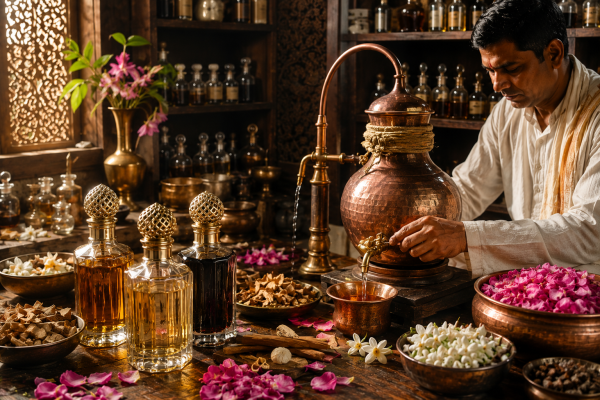
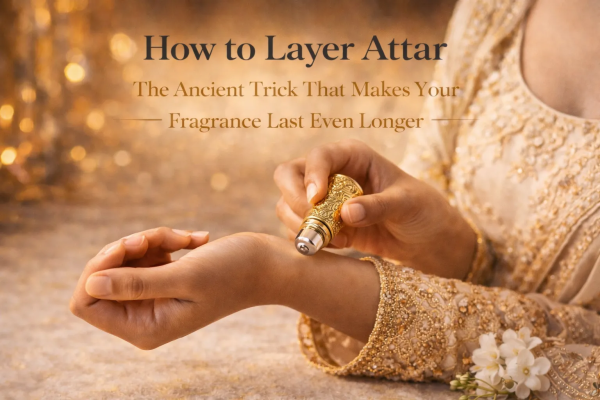
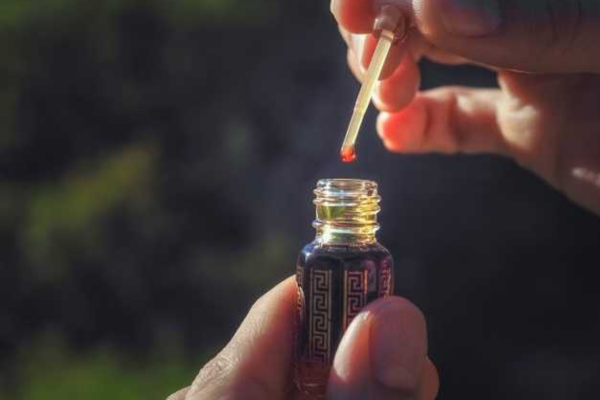
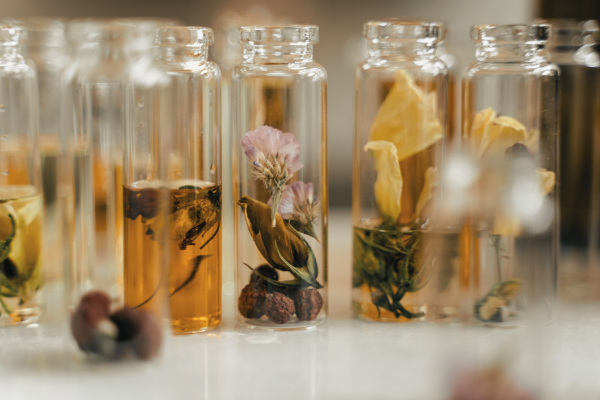
Attar is oil-based. When you apply it to skin, it does not evaporate rapidly. It sits on the surface, absorbs slowly into the upper layers of skin, and begins a genuine conversation with your skin chemistry.
The fragrance compounds in attar, particularly in attars built on natural or naturally-derived ingredients, are reactive in the way that natural compounds tend to be. They interact with your skin's pH, with your body heat, and with the specific microenvironment of the pulse point you applied them to. Over hours, the fragrance develops and changes, not in a random way but in a way that is specific to you and your skin.
This is what makes a well-chosen attar feel personal in a way that spray perfume rarely does. It is not just that it lasts longer, though it does. It is that it becomes part of the way you smell, an extension of your natural scent rather than a broadcast on top of it.
Two people wearing the same attar will smell recognisably similar in character — the woody, floral, or aquatic quality will be present in both, but the specific way that attar unfolds over hours will be different for each person. On one person, it might lean more floral in the dry down. On the other hand, the woody base note might come through more prominently. These differences are not inconsistencies in the product. They are the product doing exactly what it was designed to do.
Indian Skin Chemistry: Why This Matters More Here
Indian skin has specific characteristics that make the skin chemistry conversation particularly relevant.
Most Indians have medium to deeper skin tones with higher melanin content, which is associated with skin that runs slightly warmer and has a tendency toward oiliness in certain climates and seasons. This skin profile interacts with fragrance in ways that differ from the lighter, drier skin types that most Western fragrance formulations were originally developed for and tested on.
Warmer skin amplifies fragrance. It accelerates the release of fragrance molecules from whatever is on the skin surface. For alcohol-based spray perfumes, this means that the already rapid process of alcohol evaporation is made even faster by warm skin in warm weather. This is why spray perfumes in Indian conditions rarely deliver on their stated longevity claims. Those claims were tested in conditions that Indian skin does not consistently provide.
For attar, warmer skin is an advantage. The oil releases fragrance more readily on warm skin, which means the fragrance is more present, more accessible to the wearer and to others, without requiring the artificial projection mechanism of an alcohol carrier. The warmth that works against spray perfume works for attar.
Oily skin types hold attar longer. Oil bonds with oil. Skin that has a higher sebum content provides more surface for the carrier oil in attar to bond with, extending wear time significantly compared to very dry skin. In India's humid coastal cities and in Bhopal's monsoon months, skin tends to run slightly oilier, which translates directly to better attar performance.
The pH Factor: Why the Same Attar Smells Different on You
This is the part most people have never heard explained, and it is worth understanding.
Your skin's pH affects how fragrance compounds behave on your skin. Specifically, it affects the rate at which different fragrance molecules volatilise, how quickly they evaporate from your skin surface and enter the air where you can smell them.
In more acidic skin environments (lower pH), some fragrance compounds volatilise more quickly, bringing certain notes to the foreground faster. In less acidic environments (higher pH), other compounds come forward. The balance shifts.
Factors that affect your skin's pH include your diet (a diet high in acidic foods lowers skin pH), your hydration level (well-hydrated skin has a more stable pH), medications, hormonal changes, and even stress (stress hormones can alter skin pH temporarily).
This is why the same attar, on the same person, at different times, morning versus evening, after a meal versus before, stressed versus relaxed, can smell slightly different. This is not the attar changing. It is your skin changing, and the attar responding to it honestly.
Spray perfumes also vary with skin pH, but because the alcohol evaporates the fragrance off the skin so quickly, the pH effect is more limited. The fragrance is gone before it has fully interacted with your skin chemistry. With attar, sitting on the skin for hours, the interaction is complete, and the result is genuinely personal.
Skin Type Guide: Which Attar Works Best for You
Understanding your skin type helps you choose the attar profile and apply it in a way that maximises performance.
Oily skin: Lucky in the attar context. Oil holds oil. Oily skin will extend attar longevity significantly and often intensify the fragrance output. Those with oily skin should apply attar sparingly, one roll per pulse point rather than two, because the natural oils will amplify what you have applied. Rich, complex attars with woody and oriental bases perform particularly well on oily skin because the skin's warmth and sebum bring out depth in the base notes.
Dry skin: Dry skin absorbs carrier oils quickly, which can reduce attar longevity compared to oilier skin types. The fix is straightforward: apply an unscented moisturiser to pulse points before applying attar. This creates a base layer that the attar oil bonds with rather than absorbing immediately into the skin. With this preparation step, dry skin can hold attar as long as any other skin type. In Bhopal's winter months and in the dry pre-monsoon period, this step matters.
Combination skin: Most people. Apply attar to the pulse points that run oilier typically the wrists and neck, for best longevity. Lighter attar profiles work well on combination skin across all contexts.
Sensitive skin: Attar is generally better suited to sensitive skin than spray perfume because it contains no alcohol (which is drying and can irritate) and no synthetic fixatives. That said, natural compounds can also cause reactions in people with very sensitive skin. A patch test applying a small amount to the inner arm and waiting twenty-four hours is always worth doing with a new attar.
The Diet Connection Nobody Talks About
What you eat affects how you smell. This is not hygiene; it is biochemistry. Certain foods produce compounds that are excreted through sweat glands and affect the ambient scent of your skin. Garlic, onion, red meat, alcohol, and strongly spiced food all produce characteristic skin compounds that interact with fragrance.
This is not a reason to change your diet for the sake of your attar. It is a reason to understand that there will be days when your attar smells slightly different, and to know that this is your body's chemistry at work rather than the product behaving inconsistently.
What it does suggest is that an attar chosen during a week of clean, lightly-spiced eating might smell different when you wear it on a Sunday after biryani. Both versions are valid. The richer skin scent after a generous Indian meal often pairs beautifully with woody and oriental attar profiles, bringing out depth in the base notes that lighter eating days might not.
Finding Your Attar: The Skin Chemistry Test
Given everything above, the correct way to choose an attar is not to smell it in the bottle, decide you like it, and buy it. The correct method:
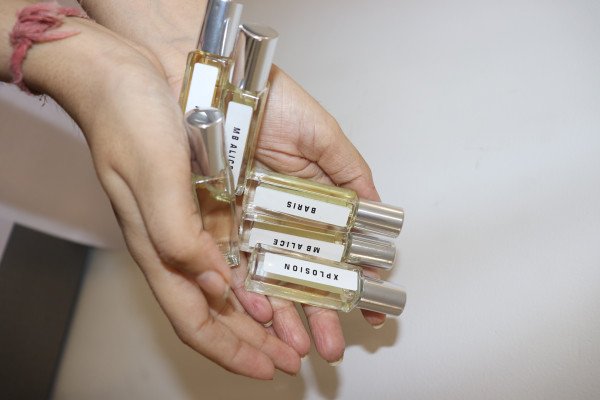
Apply a small amount to your wrist. Go about your day. Smell your wrist at fifteen minutes, at one hour, and at three hours. The three-hour smell is what you are actually buying.
If you can, test two or three profiles on different days, one per day, on the same pulse point, and observe which one develops most beautifully with your specific skin over the full wear cycle.
This takes longer than deciding at a counter. It is worth it. The attar that smells best on your skin after three hours is more valuable than the one that smells best in the bottle at zero minutes.
Kritosh Fragrances and the Skin Chemistry Promise
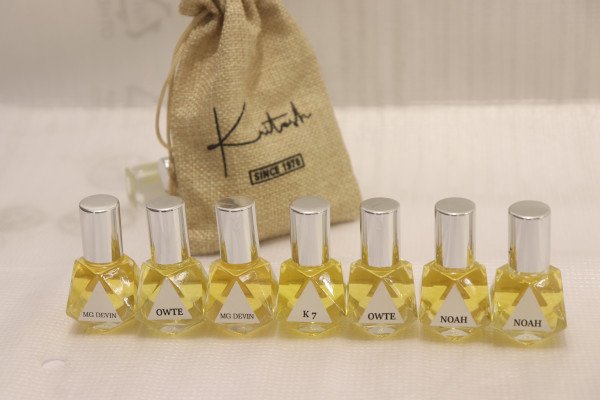
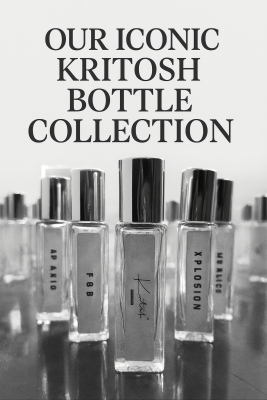
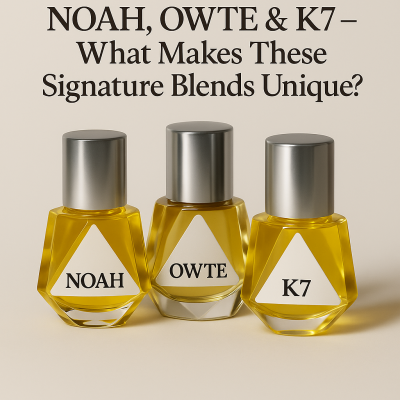
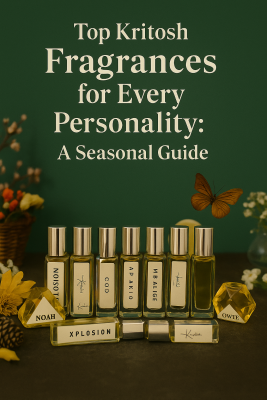
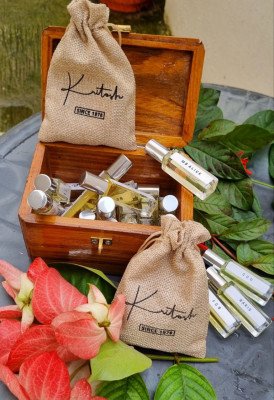
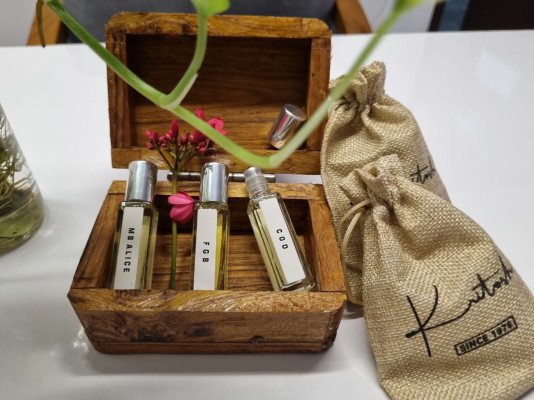
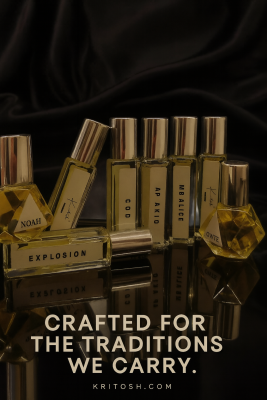
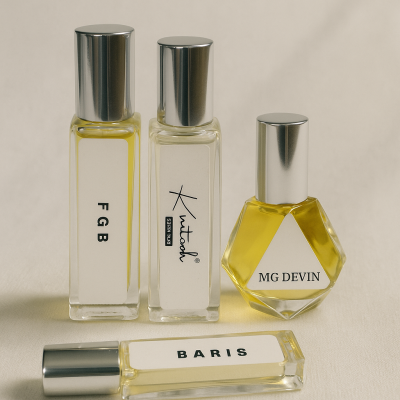
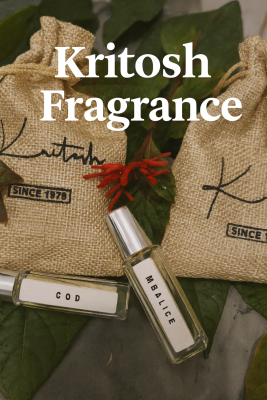
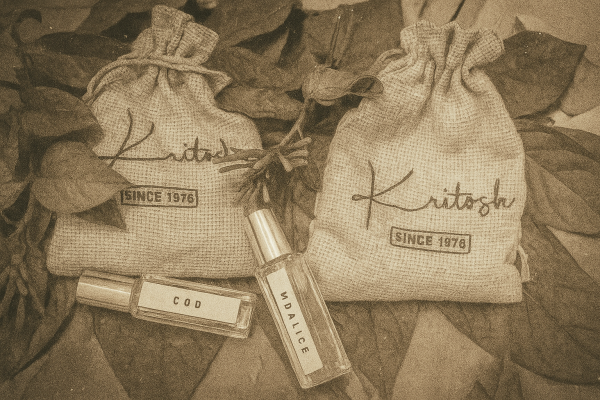
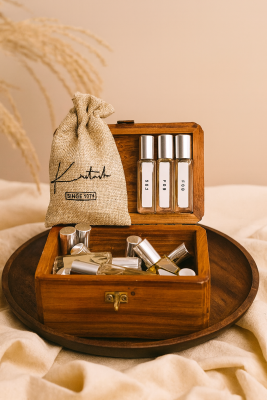
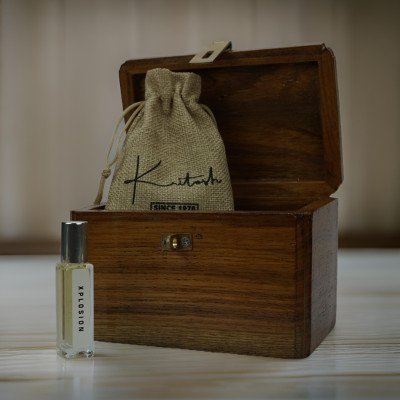
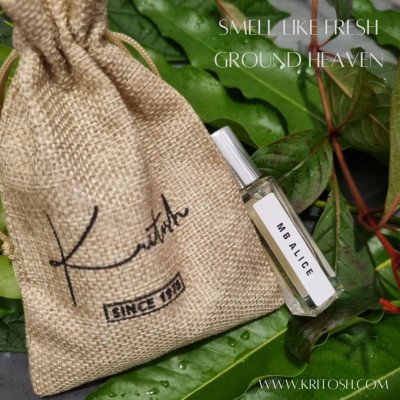
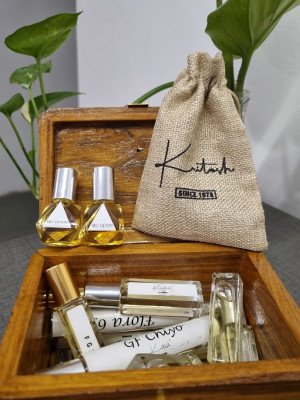
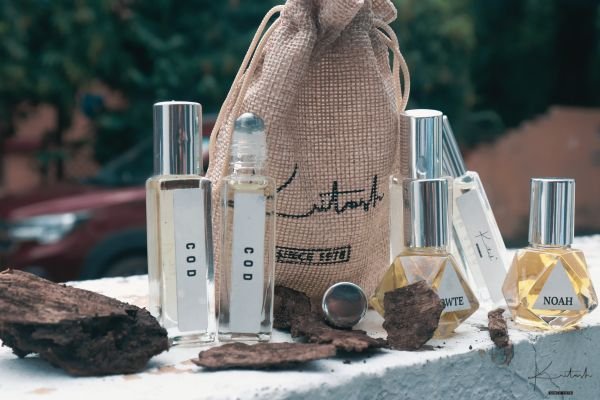
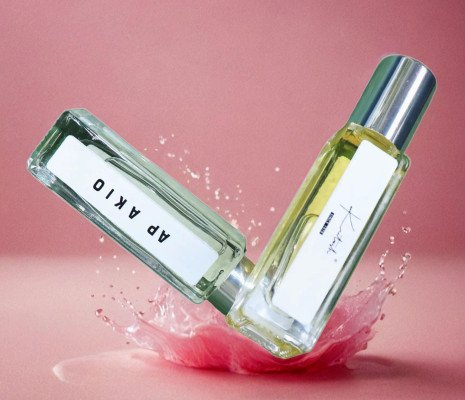
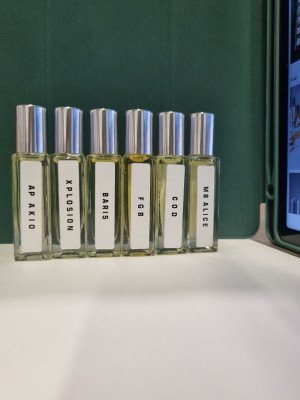
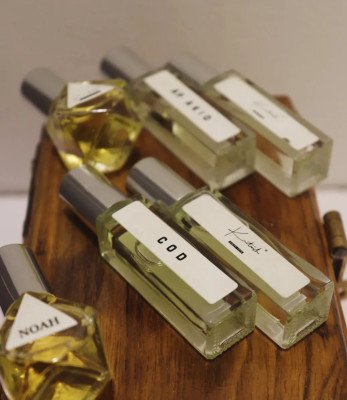
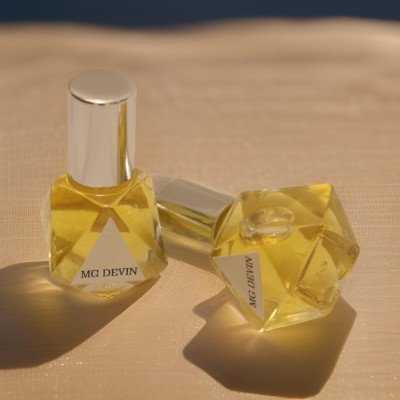
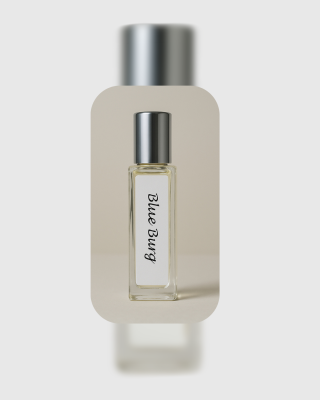
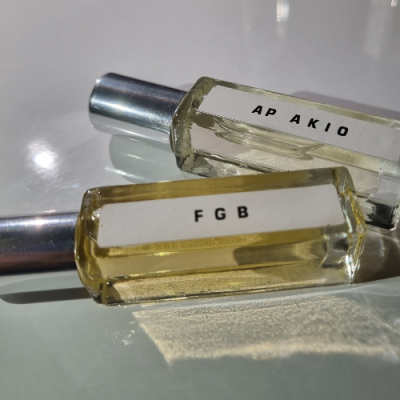
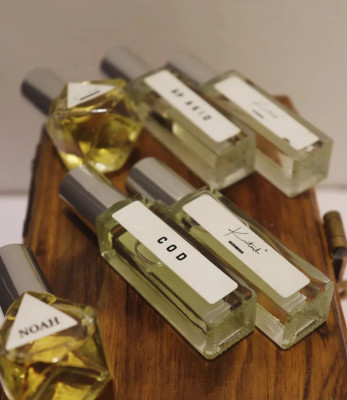
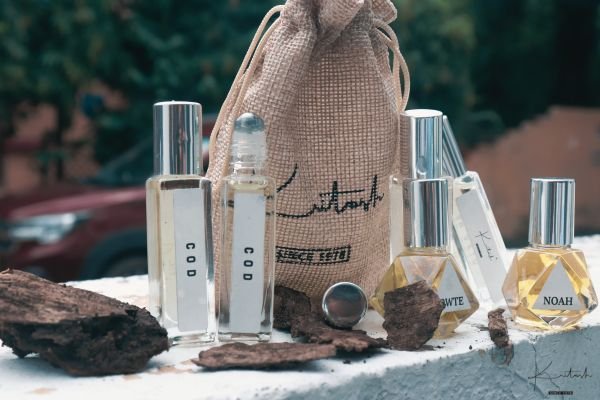
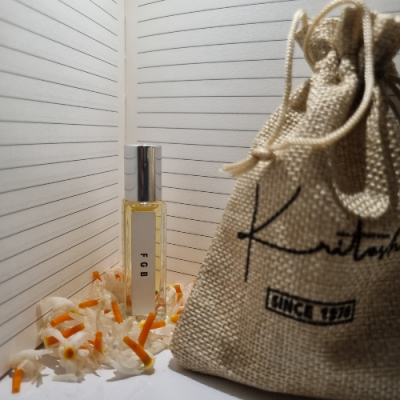
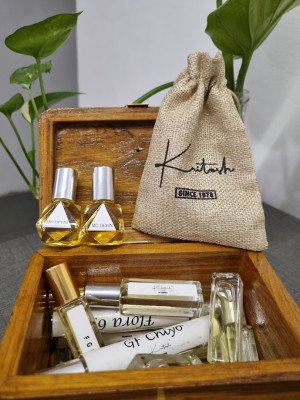
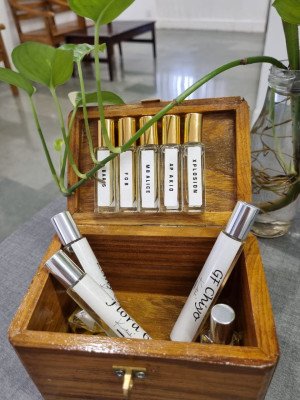
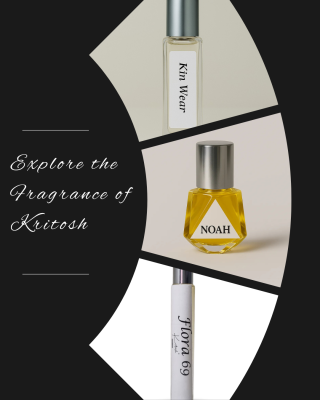
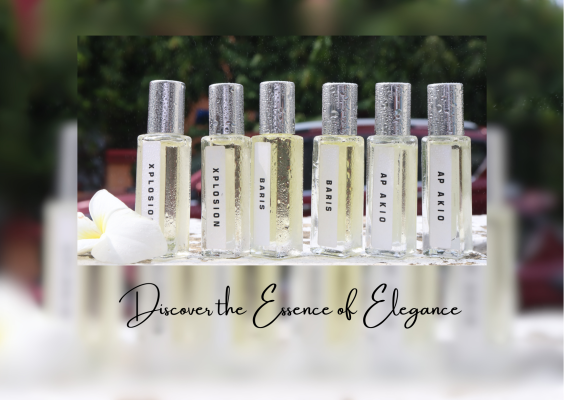
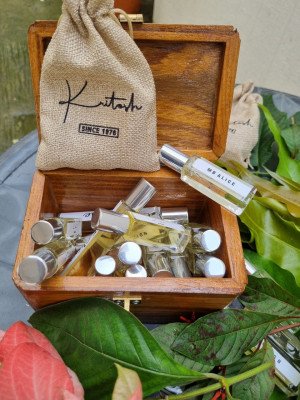
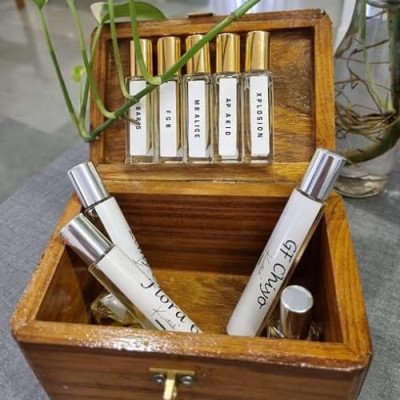
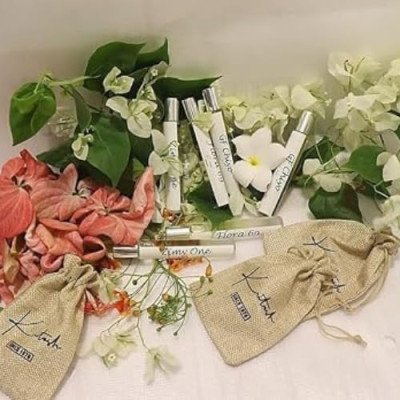
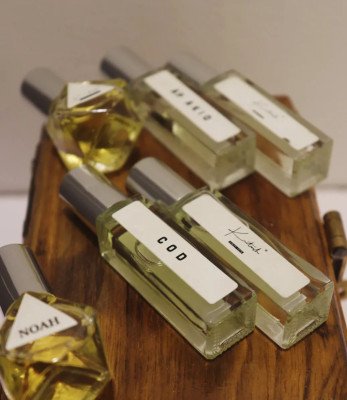
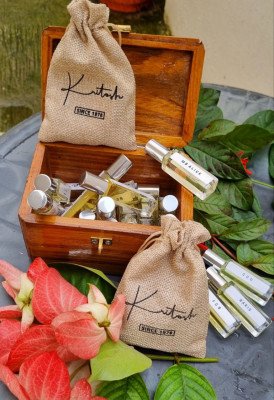
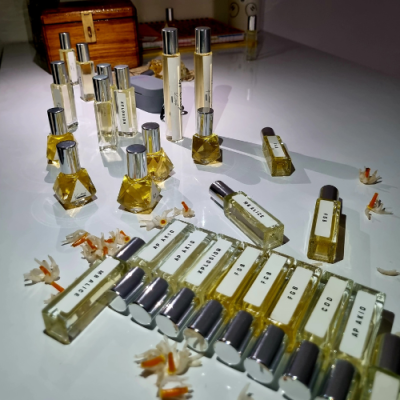
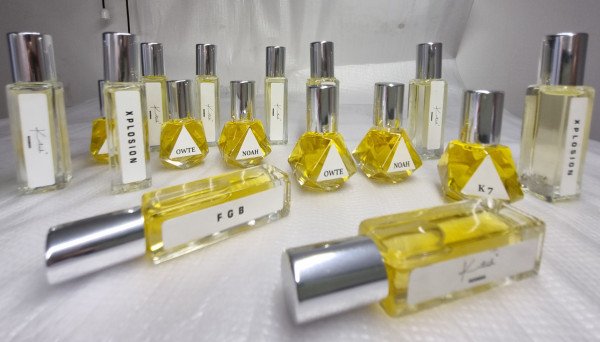
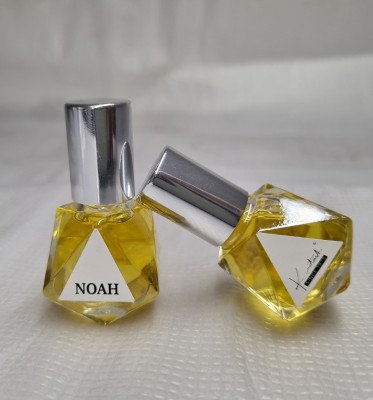
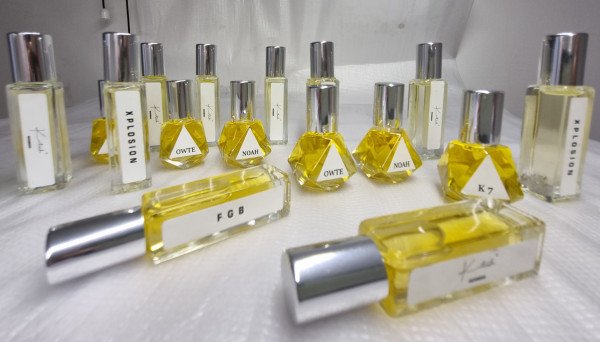
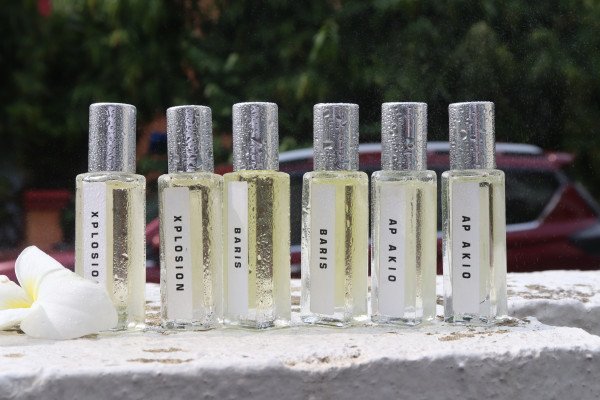
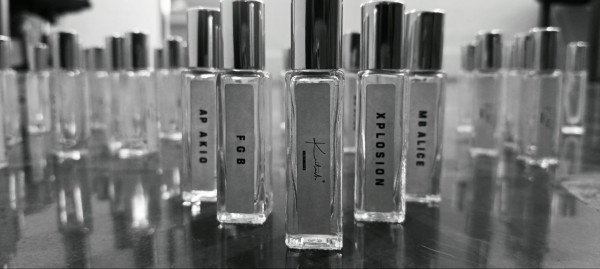
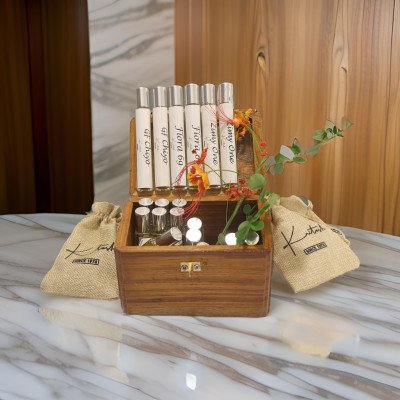
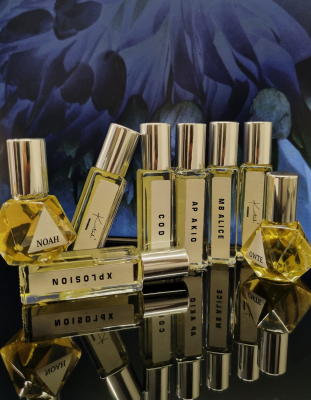
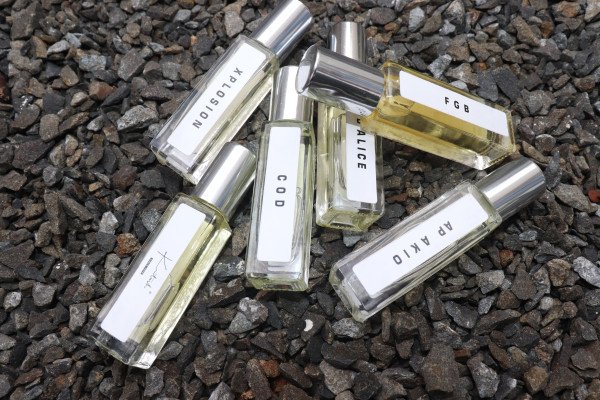
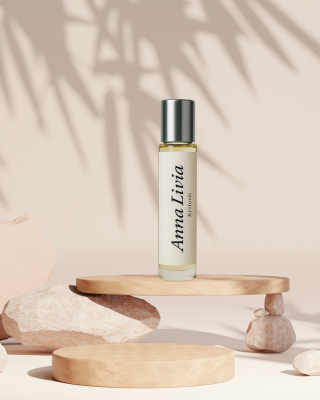
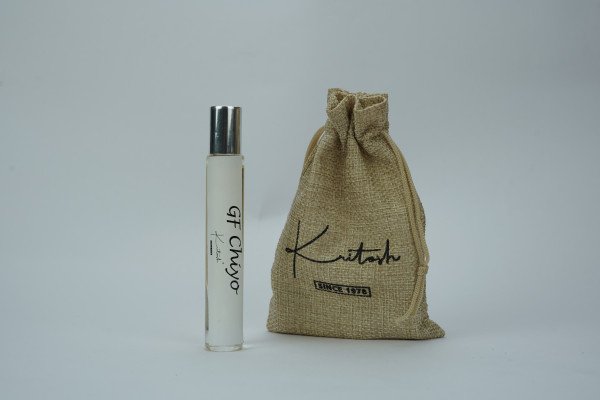
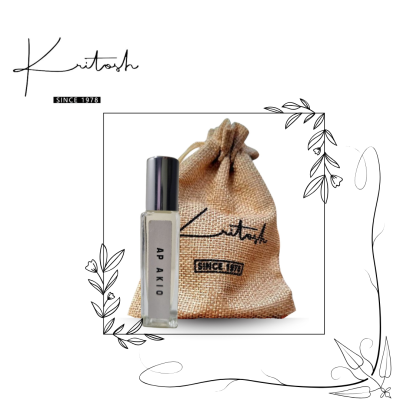
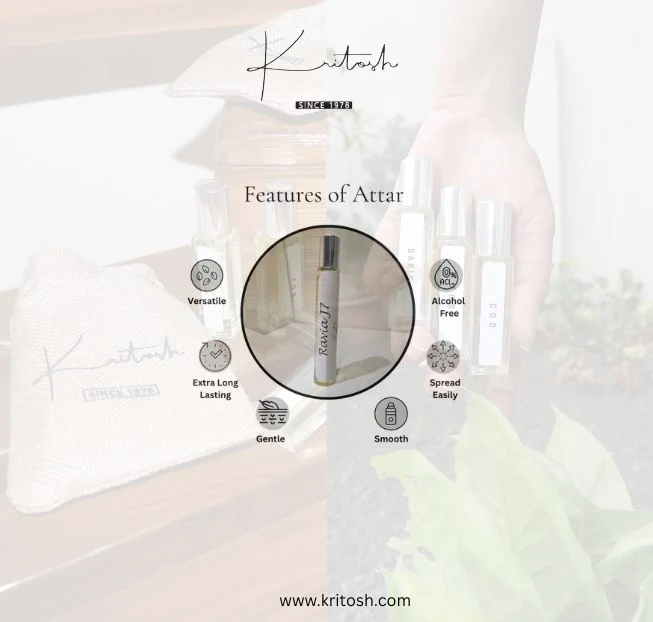
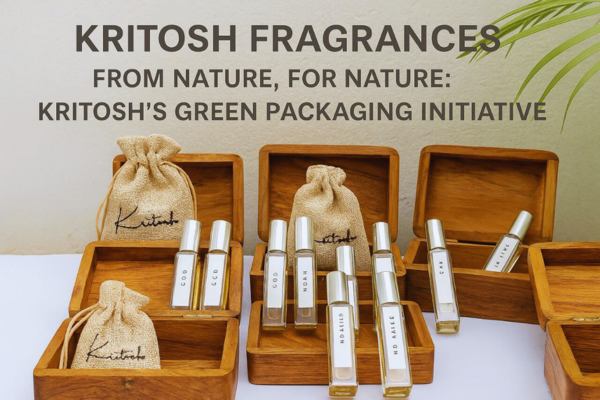
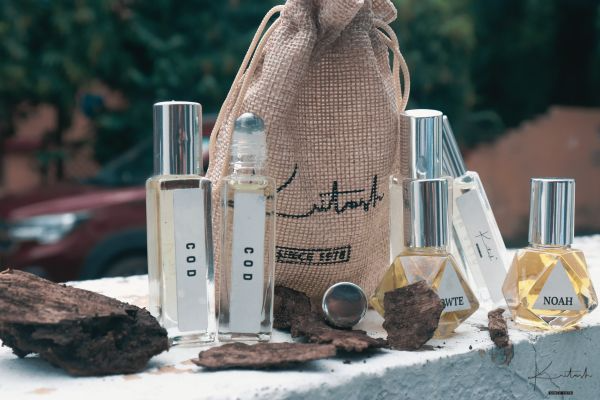
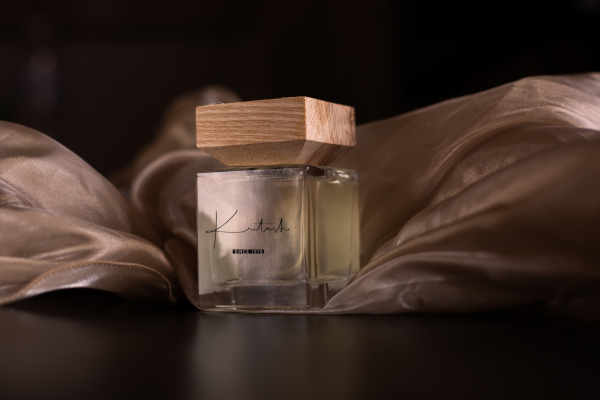
Kritosh Fragrances has been making attar in Bhopal since 1978. The oil-based, alcohol-free format that defines every product in the range is not a heritage choice made out of tradition for its own sake. It is the format that works correctly with skin chemistry that allows the fragrance to interact with your skin rather than evaporate over it.
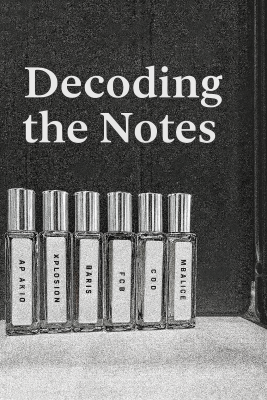
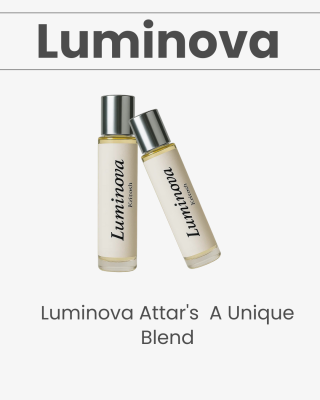
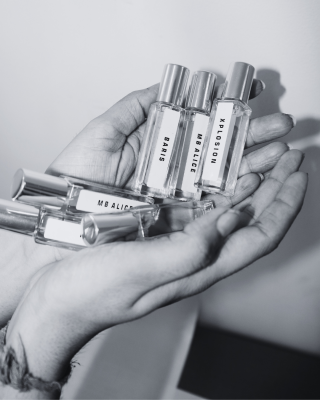
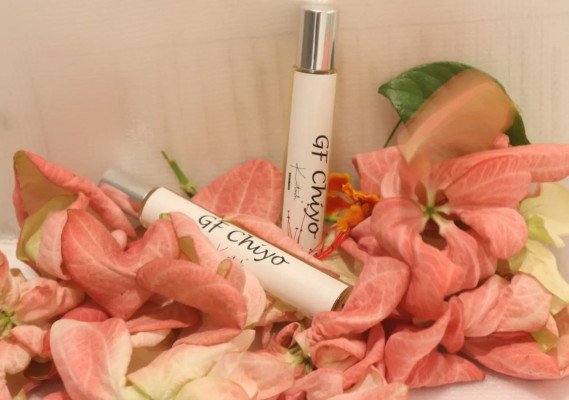
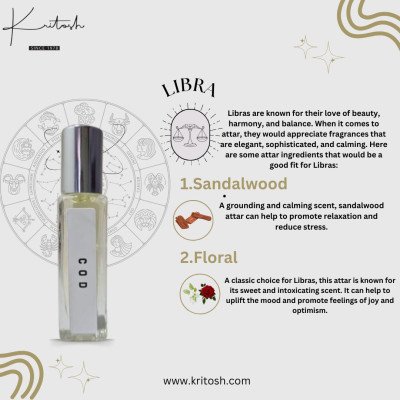
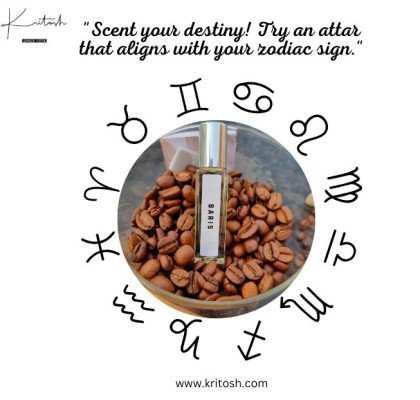
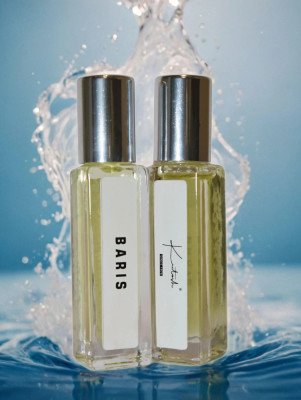
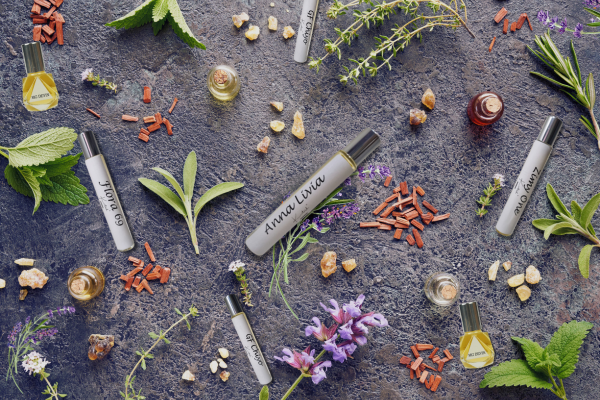
The aquatic, woody, floral, and fruity profiles at www.kritosh.com are designed for Indian skin in Indian conditions, warm, varied, individual, and worthy of a fragrance that respects what it is applied to.
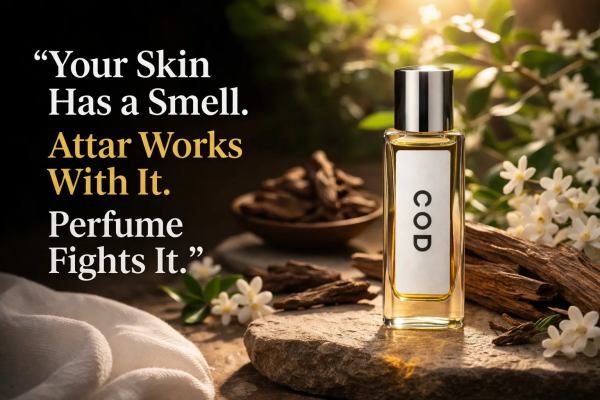
Your skin has a smell. Your attar should work with it.
Everything else is just expensive evaporation.