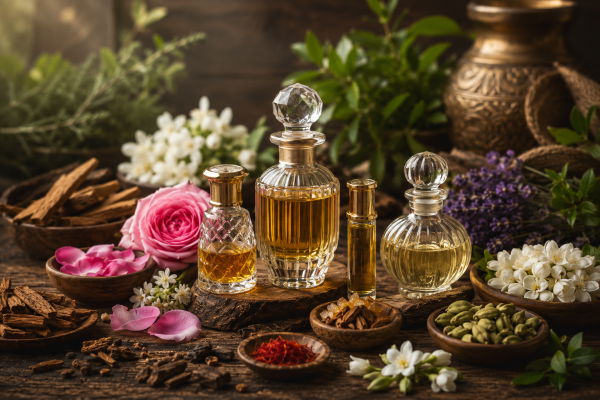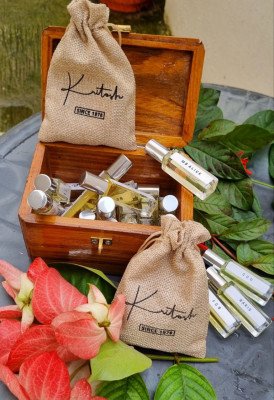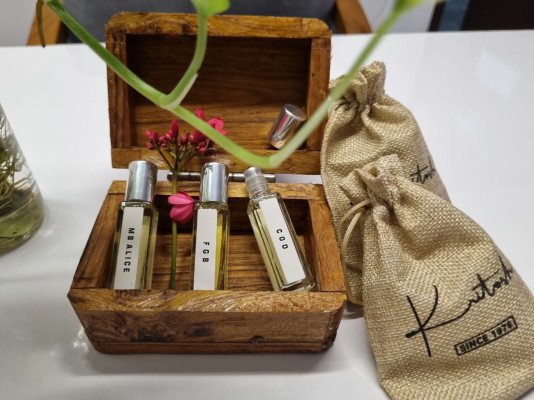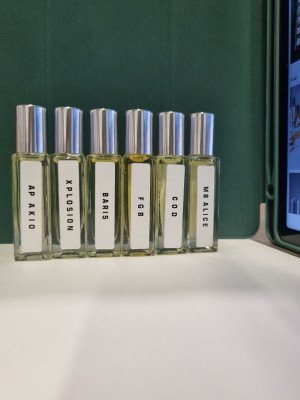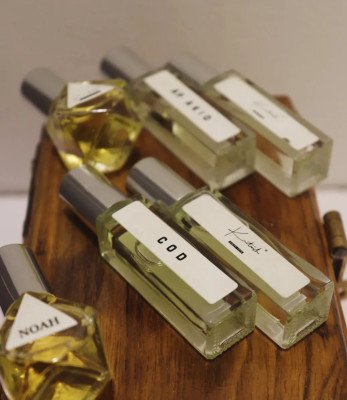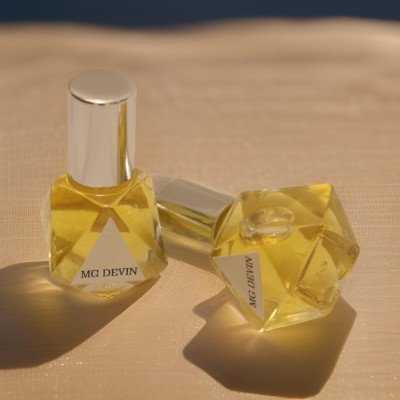

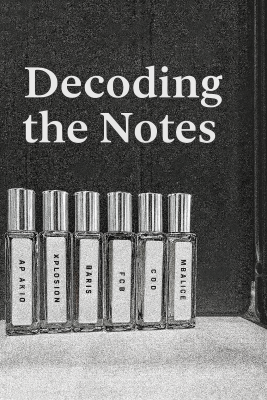

Introduction: The Art and Science of Aroma
Understanding the Language of Scent
The Fragrance Pyramid: A Symphony of Notes
To begin our journey, it's essential to understand the concept of the fragrance pyramid, also known as the scent pyramid. This model illustrates how aromas unfold over time, revealing different layers of scent notes. Like a musical composition, each note plays its part at the right moment, creating a harmonious and captivating experience.
The fragrance pyramid consists of three tiers:
Fragrance Families: Navigating the Scent Spectrum
Here are some of the most common fragrance families:
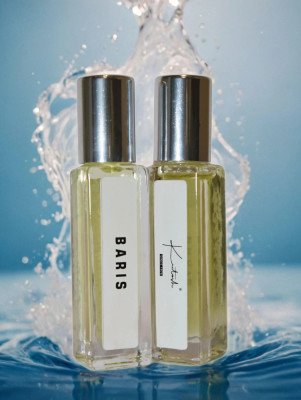
Aquatic: Represents a fresh and clean scent, reminiscent of the ocean or water.
Discovering Your Scent Preferences
Step 1: Explore Different Fragrance Families
The best way to discover your scent preferences is to explore different fragrance families. Visit a department store or specialty fragrance shop and sample a variety of aromas from each family. Pay attention to how each scent makes you feel and which ones you are most drawn to.
Step 2: Keep a Scent Journal
As you explore different aromas, keep a scent journal to record your impressions. Note the name of the aroma, the fragrance family it belongs to, and any specific notes you detect. Also, write down your emotional response to the scent and any memories or associations it evokes.
Step 3: Consider Your Personality and Lifestyle
Your scent preferences are often influenced by your personality and lifestyle. Are you outgoing and adventurous? You might prefer bold, exotic aromas. Are you more reserved and sophisticated? You might be drawn to classic, elegant scents. Also, consider your daily activities and the occasions for which you'll be wearing the aroma. A light, fresh scent might be perfect for everyday wear, while a richer, more complex scent might be better suited for special occasions.
Step 4: Test on Your Skin
Aromas can smell different on different people due to variations in skin chemistry. Always test an aroma on your skin before making a purchase. Apply a small amount to your wrist or inner elbow and allow it to develop for several hours. Pay attention to how the scent changes over time and whether it continues to appeal to you.
Step 5: Trust Your Instincts
Ultimately, the best aroma for you is one that you love and that makes you feel confident and comfortable. Don't be afraid to experiment and trust your instincts. The world of scent is vast and varied, so take your time and enjoy the journey of discovery.
Describing Scents: Expanding Your Olfactory Vocabulary
Adjectives for Describing Fragrances
To articulate your scent preferences, it's helpful to expand your olfactory vocabulary. Here are some adjectives you can use to describe different aspects of aromas:
Overall Impression: delicate, rich, sensual, warm, crisp, earthy, creamy, sparkling, elegant, exotic
Floral: sweet, delicate, powdery
Spicy: warm, pungent, peppery
Woody: earthy, dry, smoky
Fresh: crisp, clean, citrusy, herbal, aquatic
Oriental: warm, exotic, vanilla-like, amber-like, musky
Fruity: sweet, juicy, tart
Gourmand: sweet, dessert-like, food-like
Intensity: strong, weak, subtle, overpowering
Other Qualities: clean, zesty, balsamic, resinous, smoky
Describing a Scent's Nuances
You can also describe the nuances of a scent by identifying the individual notes that make up the overall aroma. For example, instead of simply saying "it smells floral," you could say "it has notes of rose, jasmine, and lily.
Using Sensory Language
To make your scent descriptions more vivid and evocative, use sensory language that appeals to the other senses. For example, instead of saying "it smells sweet," you could say "it smells like warm honey and vanilla.
The Art of Blending: Creating Your Signature Scent
Understanding Attar Blending
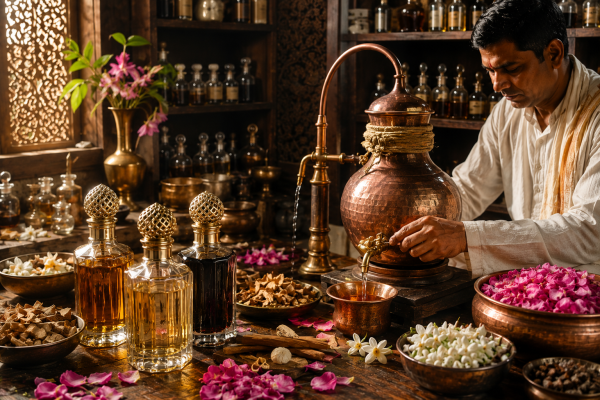
Blending attar involves more than just combining different oils; it is about creating a harmonious aroma that evokes emotions and memories. Each essential oil has distinct properties, and when combined, they can create a complex and multifaceted odor signature.
Key Components of Blending
Top Notes: These are the first odors you detect when you apply the attar. They are typically lightweight and evaporate quickly. Top notes commonly contain citrus oils like bergamot and grapefruit, as well as floral fragrances like lavender and rose.
Conclusion: Embrace Your Olfactory Journey
Decoding the notes of your favorite scents is a journey of self-discovery. By understanding the language of aroma, exploring different fragrance families, and trusting your instincts, you can unlock a world of olfactory delights and find scents that truly resonate with your soul. So, embark on your aromatic adventure and embrace the power of scent to enhance your life.
Summary
This blog post provides a comprehensive guide to understanding and identifying favorite scents. It covers the basics of fragrance families and the fragrance pyramid, offers practical steps for discovering personal scent preferences, and provides tips on how to describe scents effectively. It also touches on the art of blending to create a signature scent.