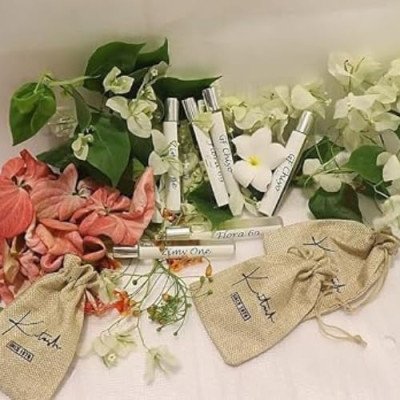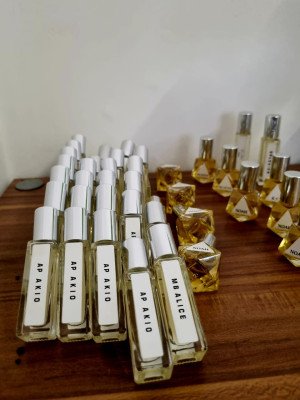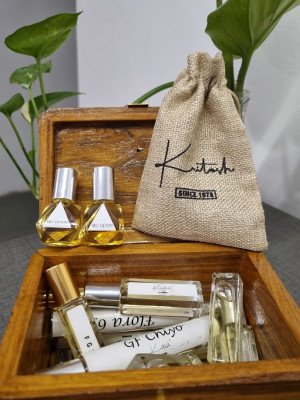

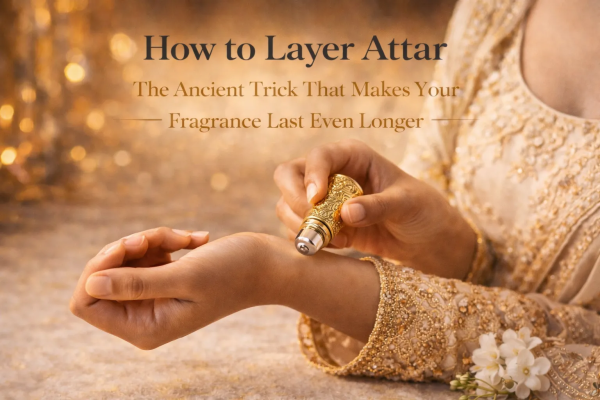

The single most underused technique in Indian fragrance, and one that the fragrance culture of this country has known about for centuries, is layering.
Layering is the practice of applying two or more complementary fragrances together so they interact on your skin to create something more complex, more personal, and significantly longer-lasting than either fragrance alone. It is not a new idea imported from Western fragrance marketing. It is an ancient practice from the same attar tradition that gave India its reputation as one of the great perfumery cultures of the world.
The reason most people in modern India do not do it is not that it is complicated. It is that nobody explained it to them. This guide does exactly that, from the basic principle to the specific combinations that work, with Bhopal's seasons and occasions as the context throughout.
What Layering Actually Is And What It Is Not
Layering is not spraying two perfumes at the same time and hoping for the best. Done randomly, layering produces something that smells confused and competing two fragrances arguing with each other on your skin rather than a unified, complex result.
Done correctly, layering produces a fragrance experience that no single product can replicate. The two or more layers interact with each other and with your skin chemistry to create something that evolves more richly over the day, lasts longer than either layer individually, and is genuinely unique to you.
The keyword is complementary. Layering works when the fragrance families and the specific characters of the chosen attars are compatible, when they support and enhance each other rather than cancelling each other out.
Think of it as cooking rather than mixing paint. You do not add any two ingredients together at random. You choose ingredients with complementary flavours that enhance each other in combination. The result is greater than the sum of the parts.
The Traditional Indian Approach to Layering
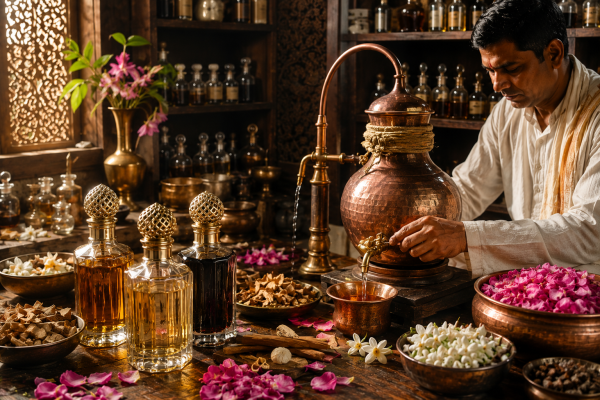
The concept of layering in Indian fragrance tradition predates the modern understanding of fragrance families entirely. The practice in the Mughal court, in the households of Nawabs and nobility, and in the everyday life of people who took fragrance seriously was to build a personal scent through multiple applications: a base, a middle, and a final note applied at different points on the body and allowed to interact.
In Bhopal's own fragrance culture, the practice of applying different attars to different pulse points, a woody or musky attar on the wrists, a floral attar behind the ears, and a more assertive scent at the throat is not a recent innovation. It is how attar was always meant to be worn by those who understood it.
The modern version of this practice is not significantly different from the traditional one. The vocabulary has changed; we now talk about fragrance families, base notes, and dry down, but the underlying approach is the same.
The Foundation: Why Layering Works Better With Attar Than With Spray Perfume
Layering can be done with spray perfumes, but the results are less reliable and less interesting for a specific reason.
Spray perfumes are primarily alcohol-based. When you apply two spray perfumes together, the alcohol in both causes rapid evaporation. The fragrances compete at the surface level, and then both dissipate. The layering experience is brief, the combination changes quickly, and by the time the alcohol has evaporated,d there is often very little left of either fragrance working together.
Attar, being oil-based, behaves completely differently. When you apply two attars together or layer an attar with a spray perfume as the top layer, the oil in the attar creates a fragrance base that holds on the skin for hours. The layered combination develops slowly and richly over time. The two components interact not just at the moment of application but continuously throughout the day as your body heat works with the oil.
The longevity of a correctly layered attar combination is significantly greater than either attar alone, because the combination of oils creates a more complex fragrance matrix that releases fragrance more slowly and sustainably than a single oil.
The Three Basic Layering Methods
Method 1: The Same Pulse Point, Different Attars
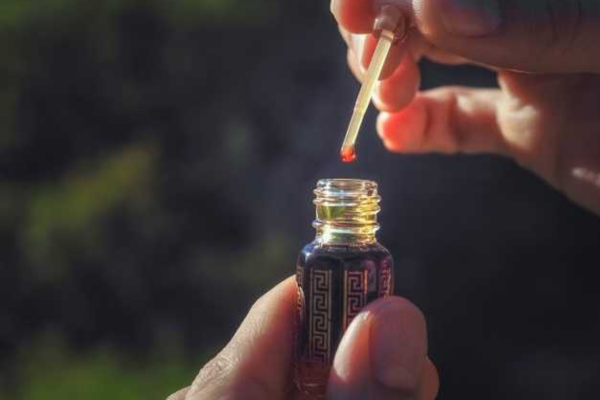
Apply the first attar to your pulse points, wrists, and behind the ears. Wait five minutes. Then apply the second attar to the same points, on top of the first.
This method creates the most integrated combination; the two attars begin interacting immediately and continue to do so throughout the day. The result is a single, complex fragrance that is genuinely hard to achieve with any single product.
The compatibility requirement is highest with this method. The two attars need to be from compatible fragrance families, or the result will be muddled.
Method 2: Different Attars on Different Pulse Points
Apply the first attar to your wrists. Apply the second to the behind the ears or the hollow of the throat.
This method allows two distinct fragrances to coexist on your skin without fully merging. The result is a fragrance that changes slightly depending on where someone is relative to you; what they smell in conversation (closer to your neck and face) is slightly different from the trail you leave as you move (more from the wrists).
This method allows for more contrast between the two chosen attars. You can pair a fresher, lighter wrist scent with a warmer, richer neck scent, and the two will complement each other from a slight distance without fully merging.
Method 3: Attar as the Base Under Spray Perfume
Apply attar first, to clean moisturised skin. Let it absorb for three to five minutes. Then spray your conventional spray perfume over the same areas.
This method uses attar as an anchor for the spray perfume; the oil in the attar holds the spray perfume's compounds on the skin for significantly longer than they would last on their own. The spray's top notes remain prominent early in the day; as they begin to fade, the attar's deeper character takes over, extending the overall fragrance experience by several hours.
This method is particularly useful for people who are transitioning from spray perfumes to attar. They can use their existing spray perfume while introducing attar into the routine, and observe how the combination works before committing fully to attar-only wear.
Which Attar Profiles Layer Well Together
Aquatic + Woody: The most reliable and universally flattering combination. A fresh aquatic attar on the wrists paired with a woody attar at the throat produces a fragrance that is clean and contemporary in the projection (what people smell as you move) and warmer and more complex up close. This works year-round in Bhopal and across India and suits most people regardless of gender.
Floral + Musk or Soft Wood.y The classic feminine layering combination. A rose or jasmine attar on the wrists, a soft musky or light woody attar behind the ears. The floral projects in the room; the musky woody anchors it on your skin and holds it for hours longer than the floral alone would. For Bhopal weddings and evening occasions, this combination is particularly effective.
Fresh + Orient: a counterintuitive pairing that works beautifully in the right proportion. A fresh or citrus-forward attar applied lightly over a warm oriental base creates a fragrance that is more wearable than the oriental alone and more interesting than the fresh alone. The oriental warms and deepens the fresh; the fresh lightens and modernises the oriental. Use very light amounts of both and allow thirty minutes for the combination to settle before evaluating.
Oud + R:ose The most classically Indian and Middle Eastern of the layering combinations. These two fragrance materials have been paired together for centuries across the attar tradition because they are genuinely complementary. Oud provides depth, darkness, and longevity; rose provides lightness, humanity, and warmth. A small amount of each, applied to different pulse points, produces something that has been recognised as beautiful for a very long time for very good reason.]
Combinations to Avoid
Two heavy orientals together. Too much. The individual depth of each profile compounds rather than complements, and the result is overwhelming in a way that is difficult to manage.
Fresh + heavy spiced. The lightness of a fresh or citrus attar is simply overpowered by a heavily spiced oriental. The combination produces neither fragrance well.
Two florals of very different characters. Rose and jasmine together can work beautifully. Rose and a very green, sharp floral can produce something that smells slightly medicinal. Within the floral family, keep the two chosen profiles close in character.
Any combination you have not tested before a major occasion. Test your layering combinations in advance on a regular day, in the privacy of your home, before wearing them to a wedding or an important event. What sounds complementary in theory occasionally produces something unexpected on your specific skin. Test first.
The Bhopal Seasonal Guide to Layering
Summer (March to June): Keep it light. Aquatic or fresh as the primary attar, with a very small amount of a woody base attar as the anchor. One roll of each, on different pulse points. Do not overload; heat amplifies everything.
Monsoon (July to September): The humidity during Bhopal's monsoon actually supports richer layering. The ambient moisture holds fragrance molecules in the air near your skin longer than in dry conditions. A floral primary with a soft woody secondary works beautifully during the monsoon months; the humidity brings out the freshness of the floral and the depth of the woody simultaneously.
Winter (October to February): The season with the most latitude for layering. Cooler temperatures slow the release of fragrance molecules from the oil, which means richer profiles develop more slowly and can be more generously applied. An oriental base with a woody or rose overlay is the classic winter combination. Evening events,s weddings, Diwali gatherings, Eid celebrations, and New Year occasions are the right context for the most complex layering.
Layering With the Kritosh Range
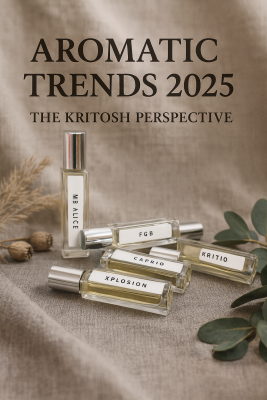
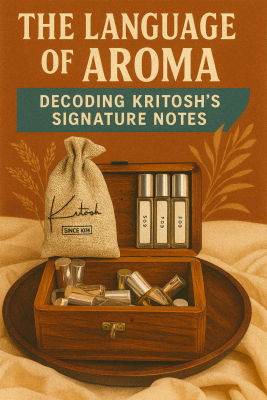
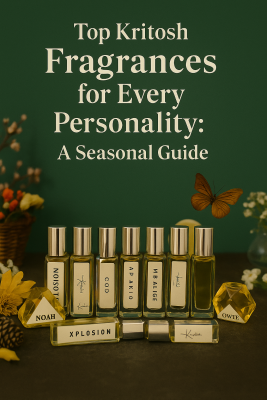
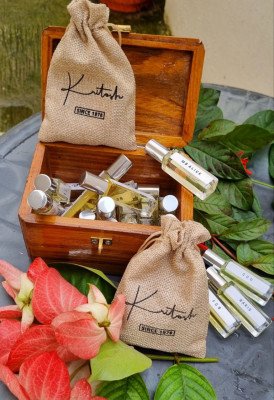
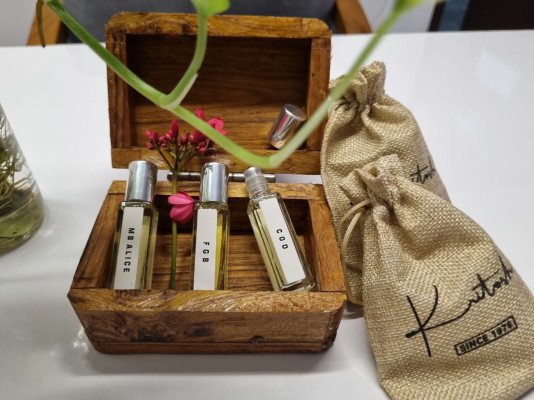
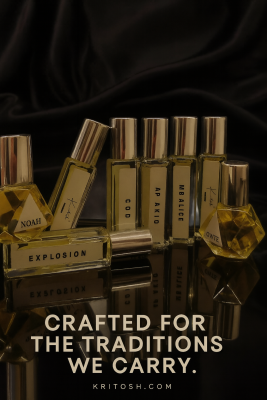
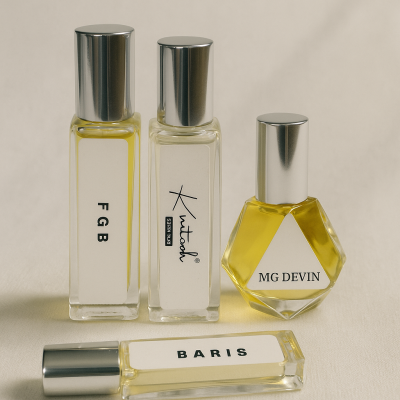
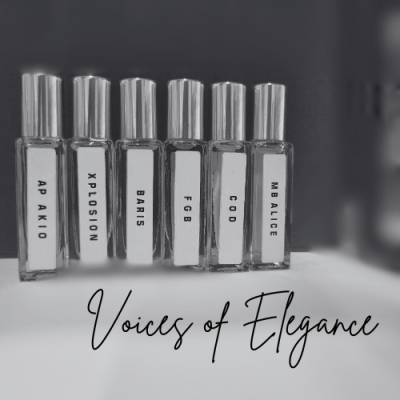
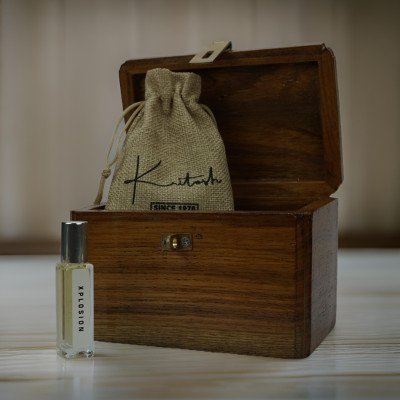
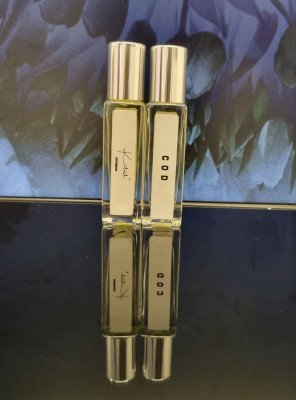
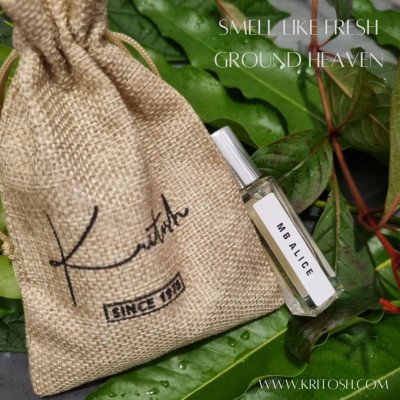
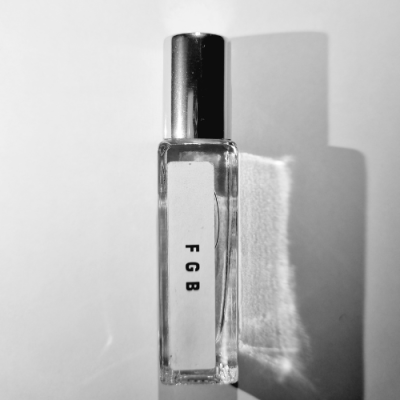
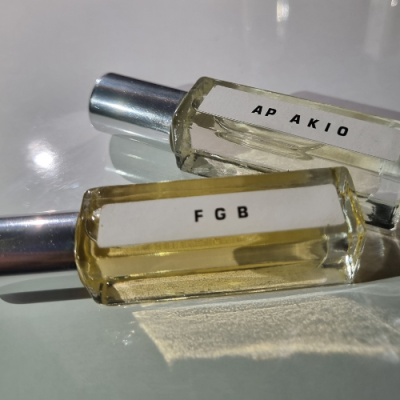
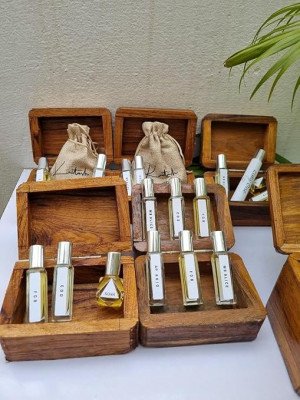
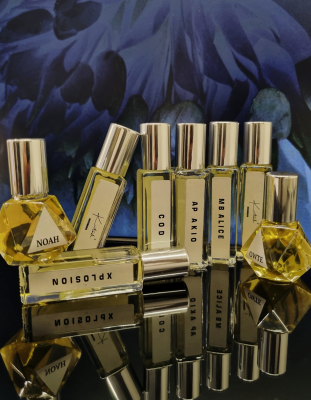
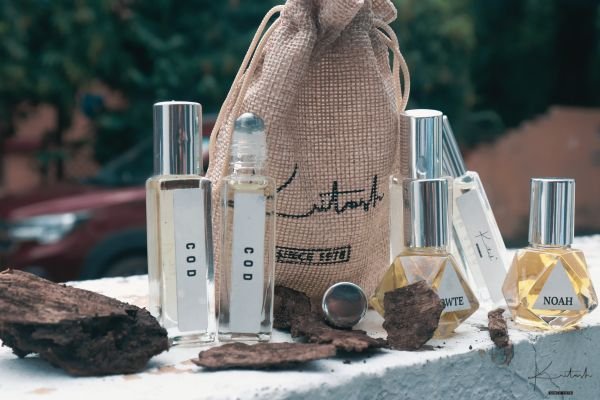
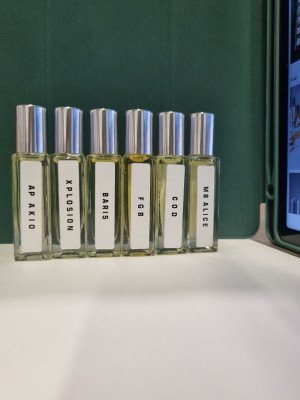
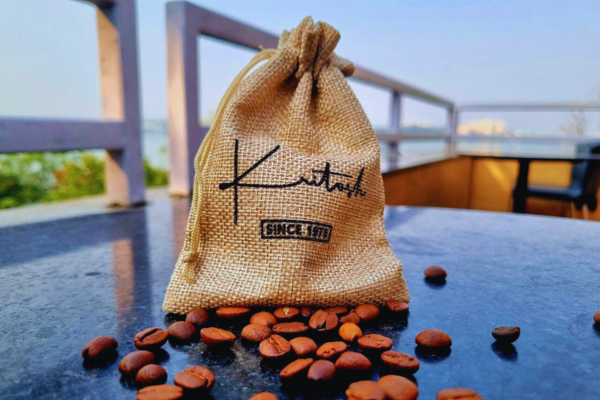
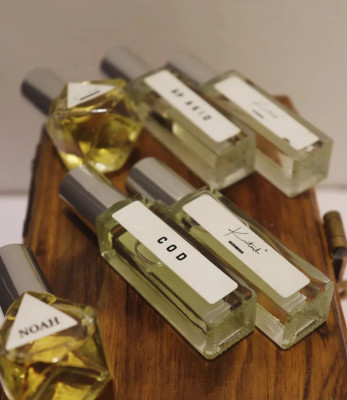
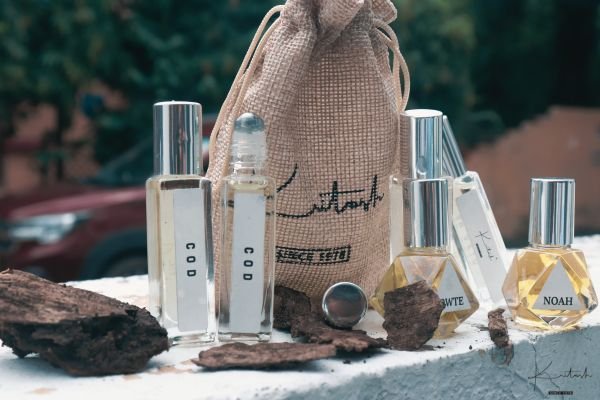
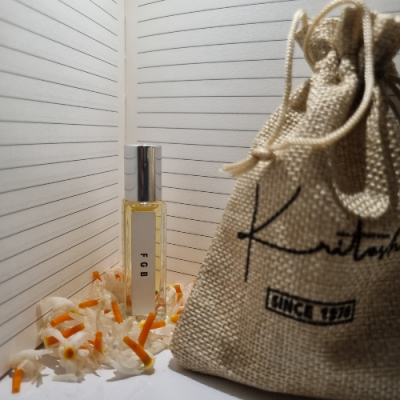
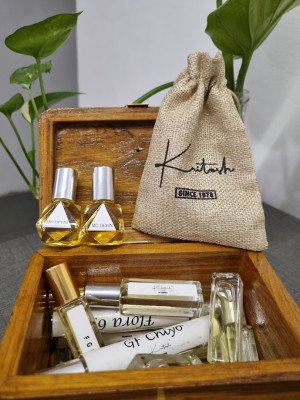
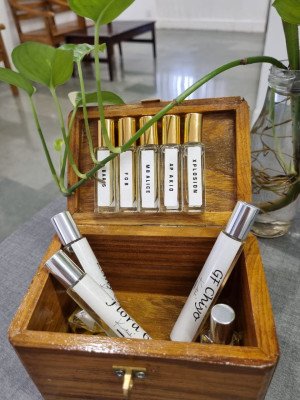
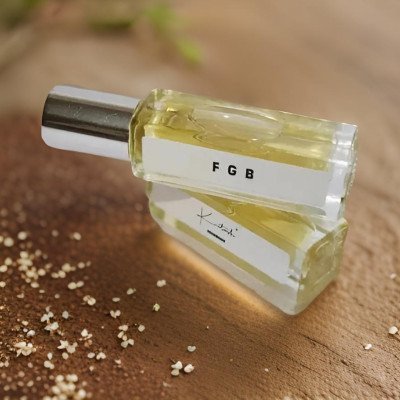
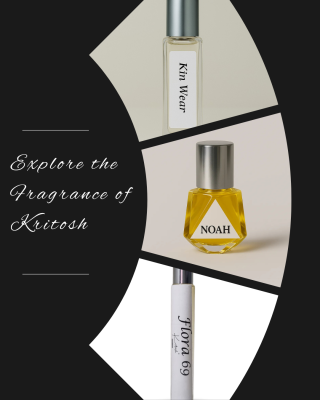
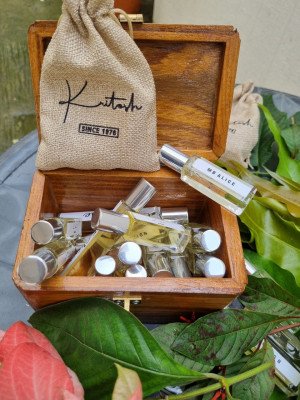
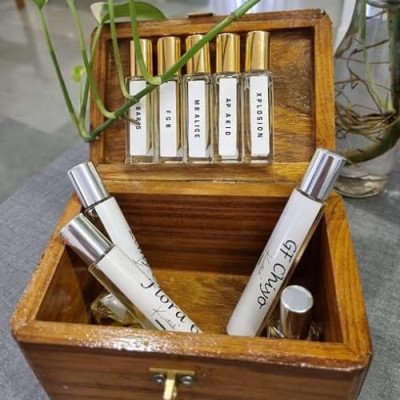
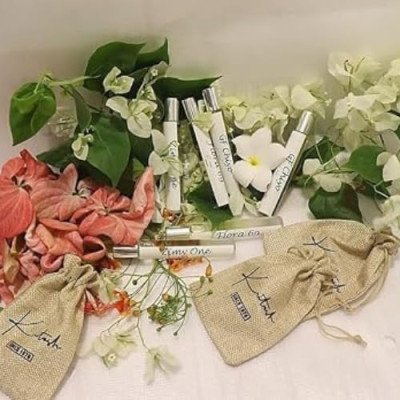
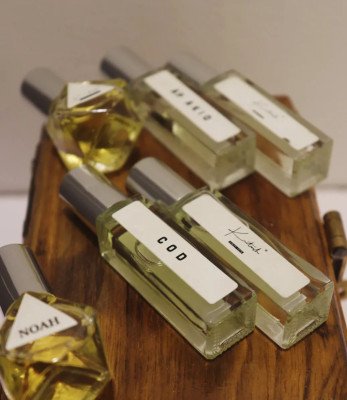
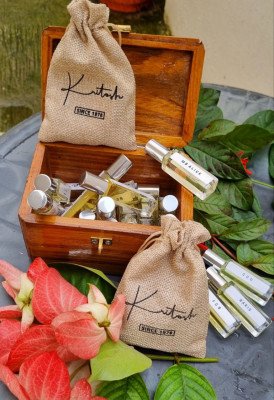
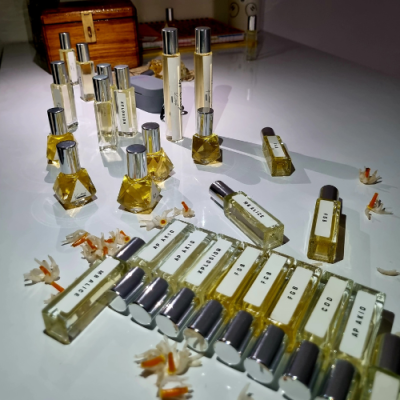
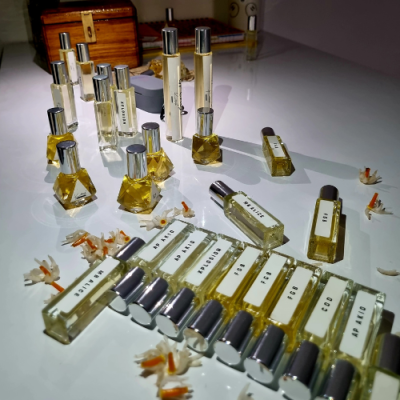
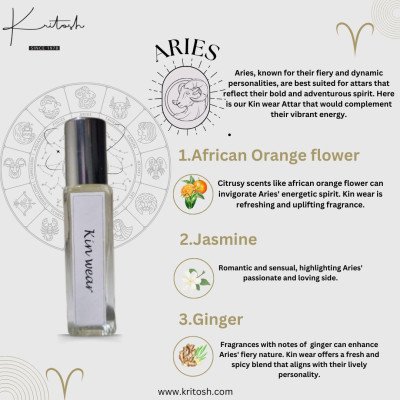
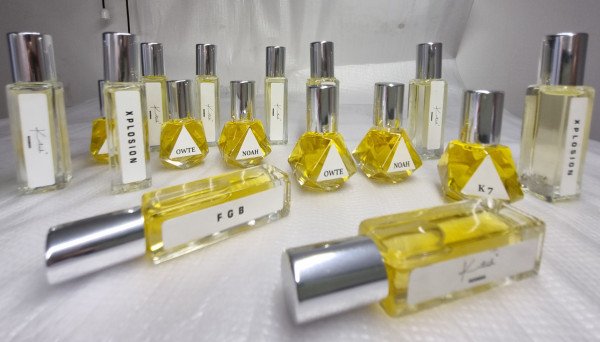
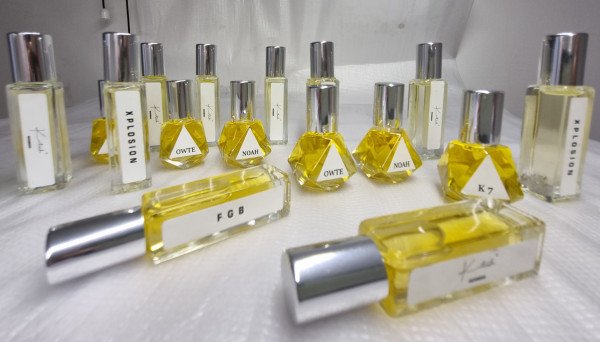
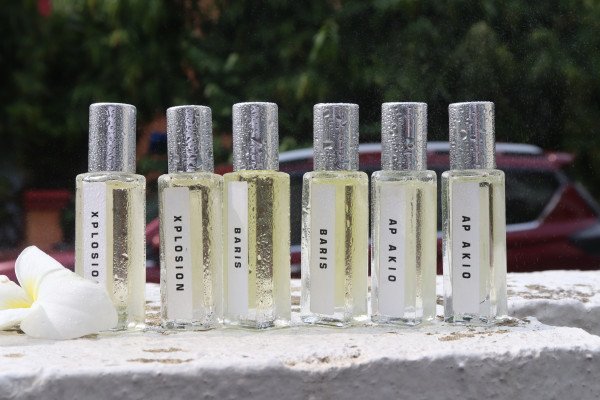
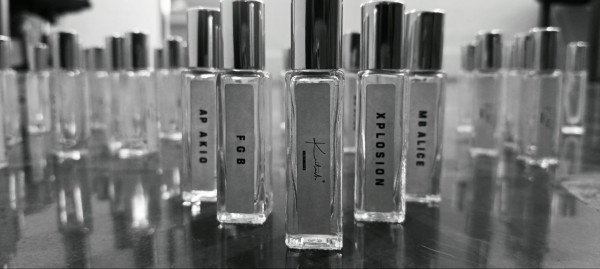
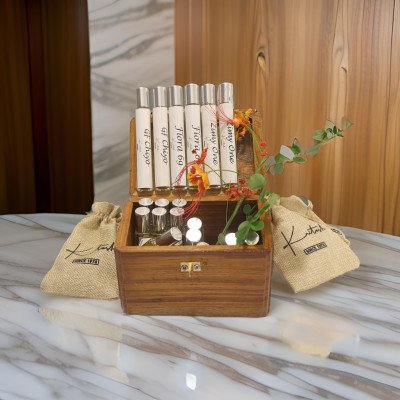
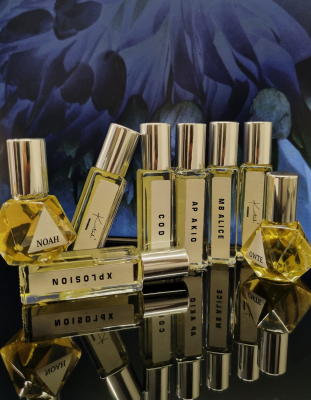
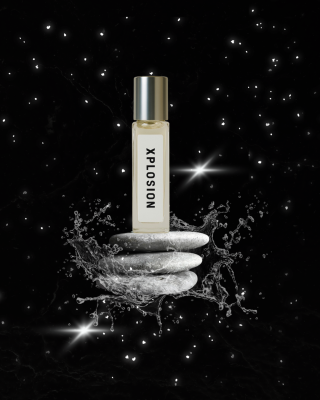
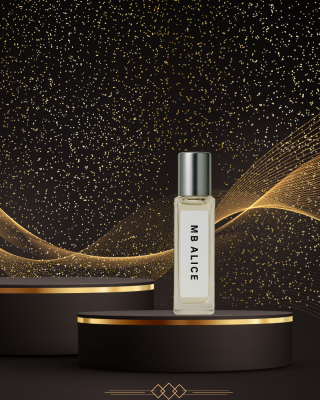
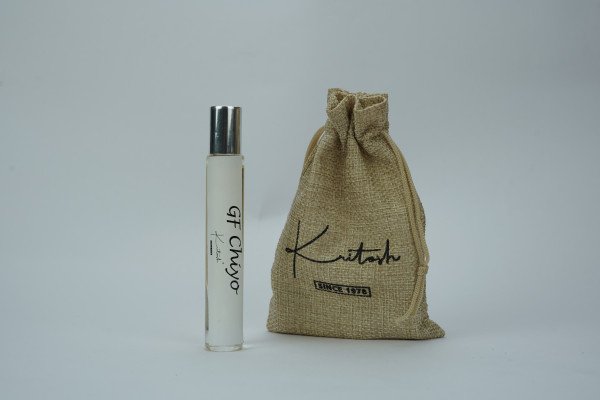
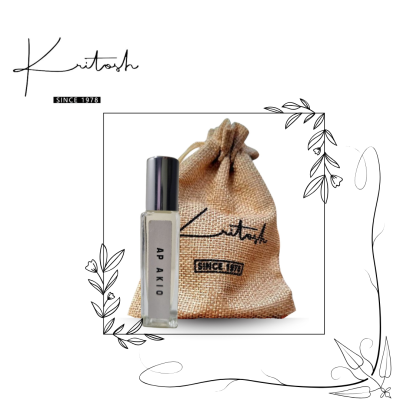
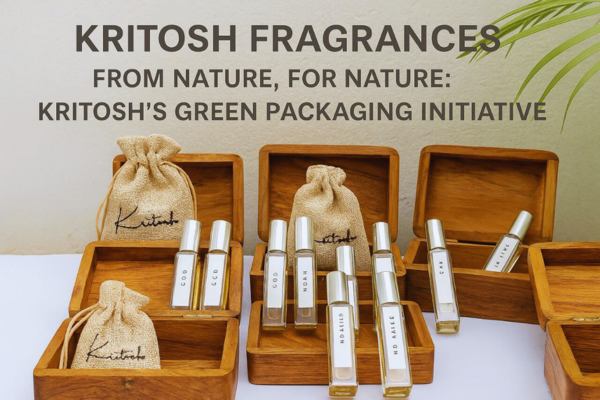
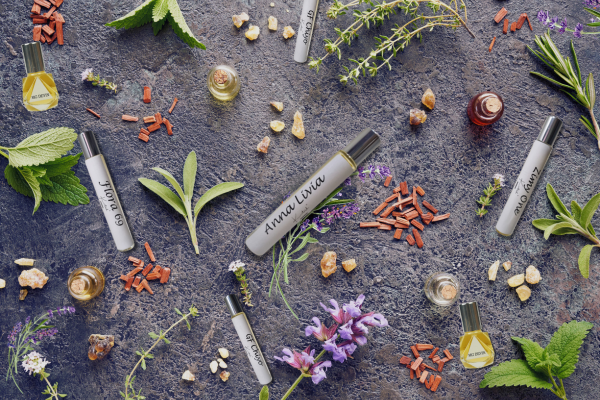
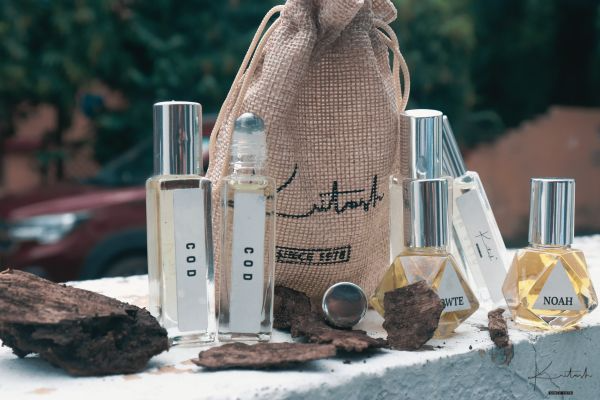
The Kritosh Fragrances range at www.kritosh.com is structured across four fragrance families: aquatic, woody, floral, and fruity, which makes compatibility identification straightforward.
Aquatic profiles from the range layer with woody profiles for the most universally wearable combination. Floral profiles layer with the softer woody profiles for the classic feminine combination. The fruity profiles layer with aquatic or light floral for a contemporary, youthful combination suited to casual and office wear.
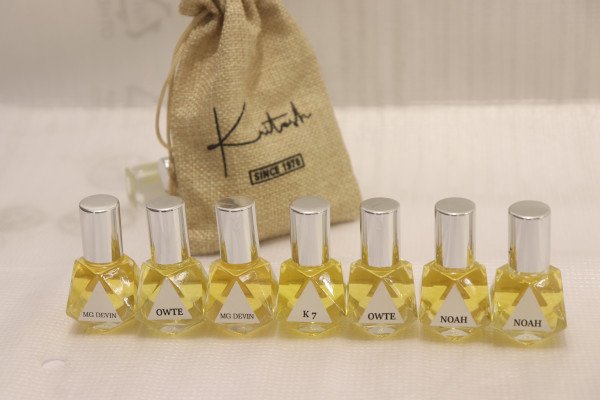
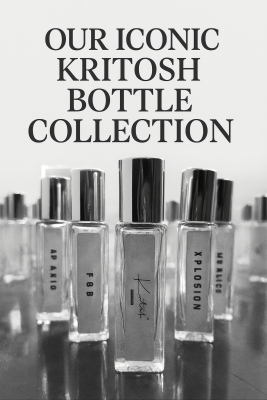
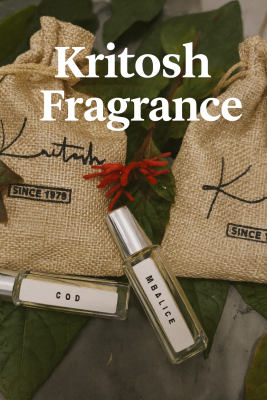
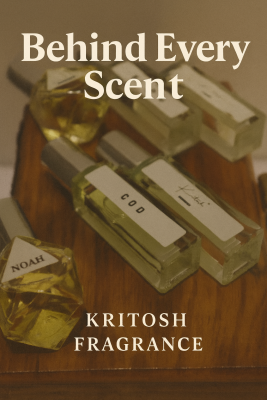
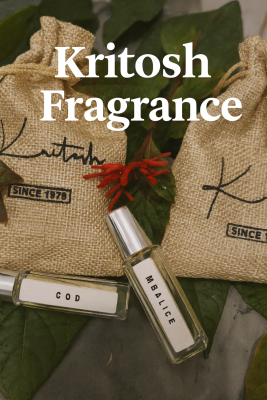
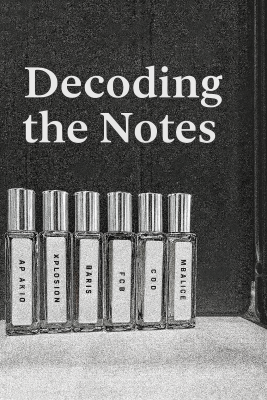
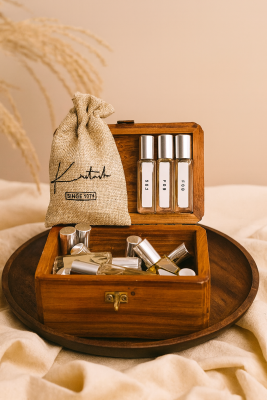
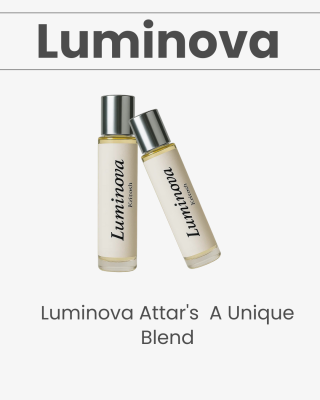
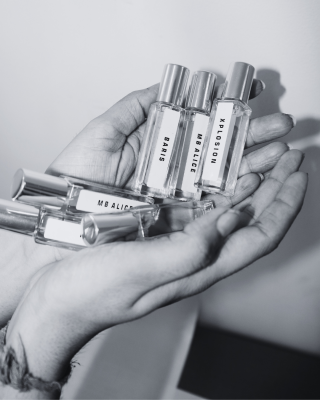
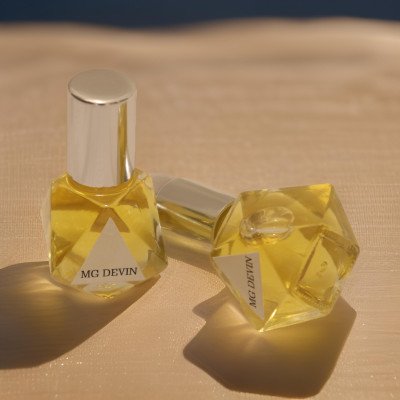
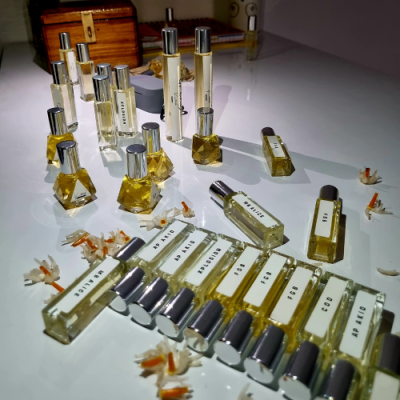
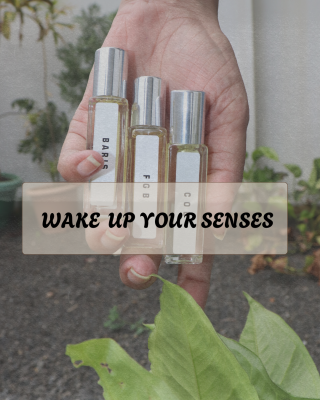
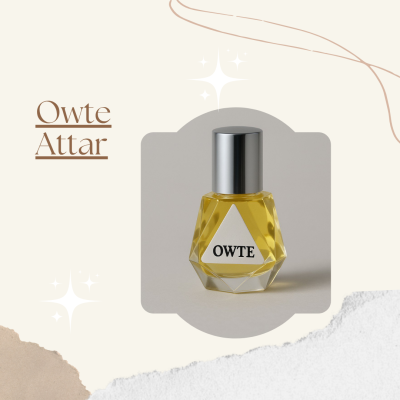
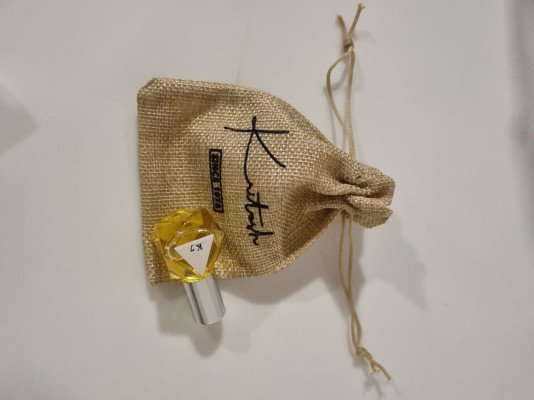
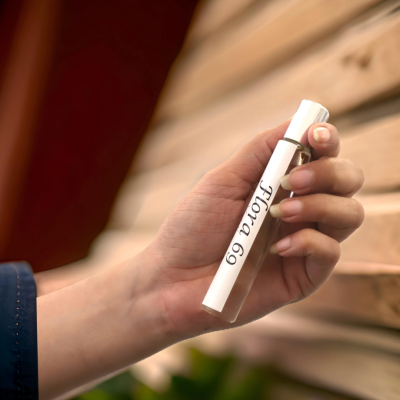
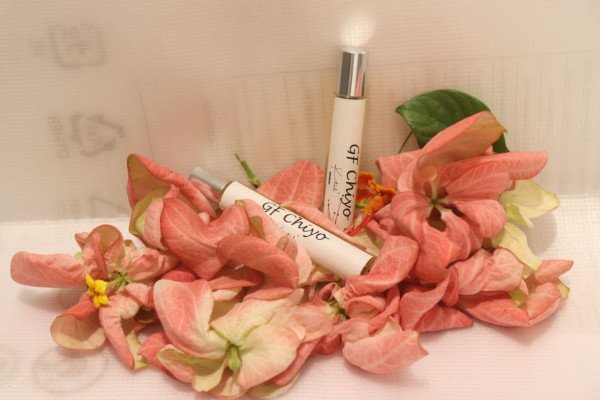
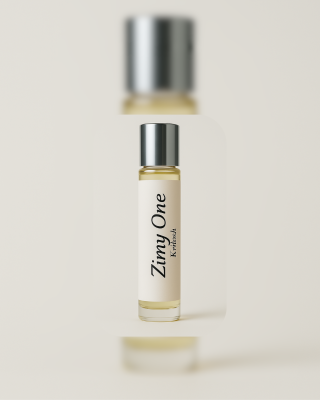
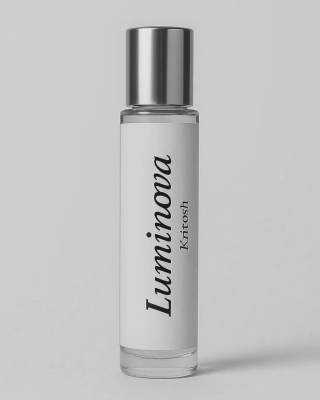
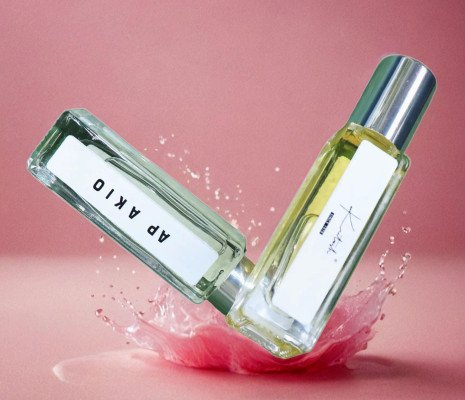
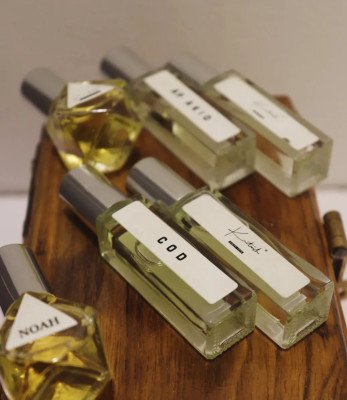
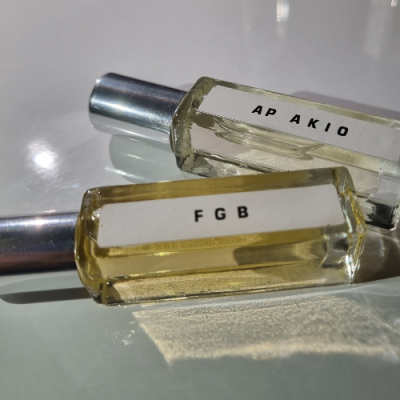
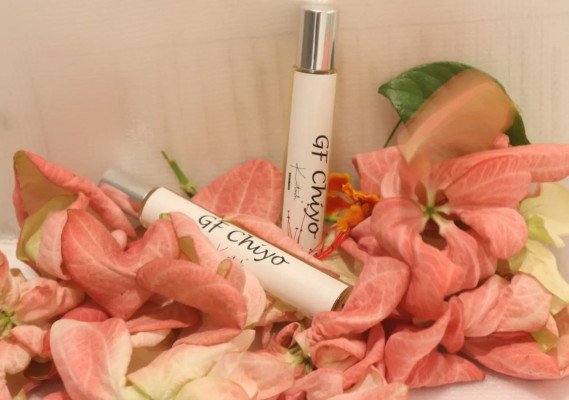
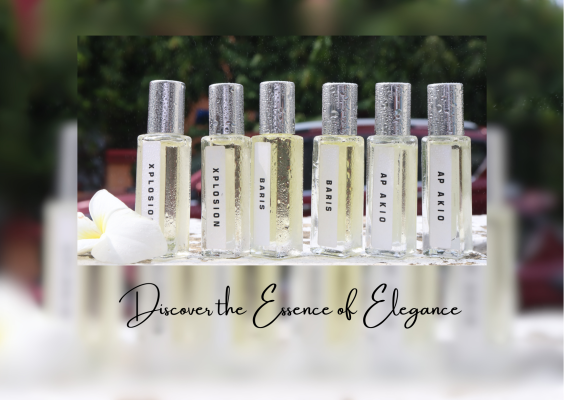
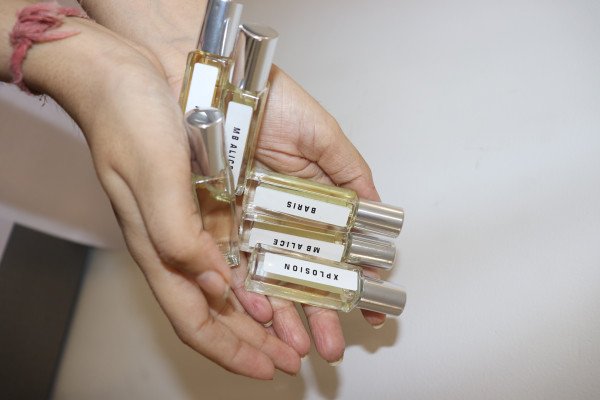
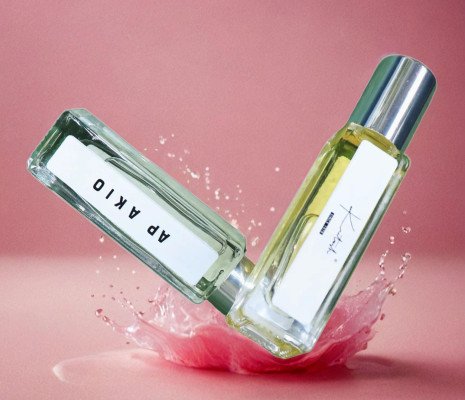
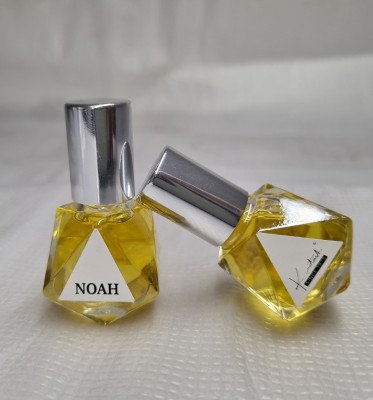
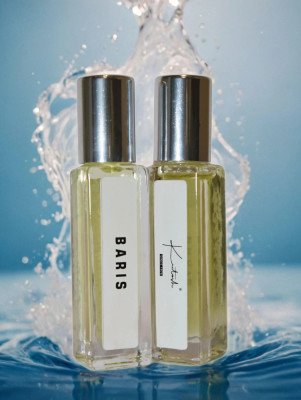
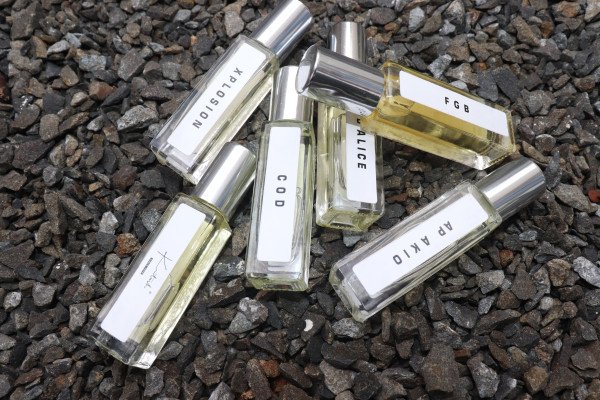
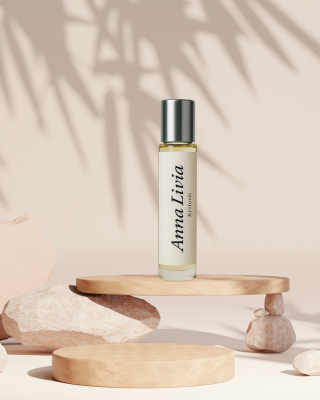
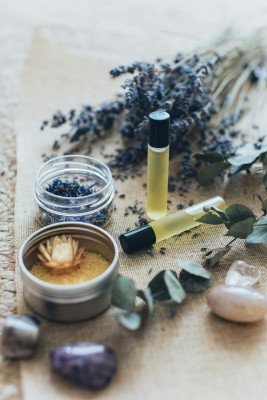
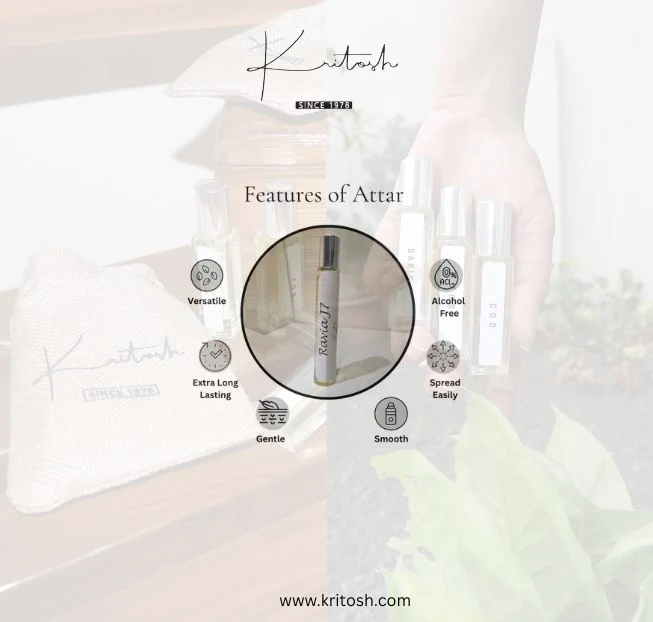
The roll-on format makes layering practical, precise application without spillage, consistent quantities, and the ability to apply the two layers to different pulse points cleanly and deliberately.
Start with two rolls of the base attar. Wait five minutes. Apply one roll of the layering attar on top of the different points. Wait twenty minutes. Then evaluate and adjust.
This is the technique. The results are your own, which is, ultimately, the entire point of fragrance done correctly.