

The Indian attar market has a problem that nobody in it likes to talk about loudly. For every genuine, well-made, properly distilled attar available to buyers in shops, online, at market stalls across Bhopal, Lucknow, Delhi, and every city in between, several products are wearing the attar label that have no business doing so.
Synthetic fragrance oils are mixed into a carrier. Diluted attars stretched with cheap bases. Completely artificial compositions sold in traditional-looking bottles with traditional-sounding names. Sometimes relabelled. Sometimes repackaged. Almost always significantly cheaper than what genuine attar costs to produce, and almost always disappointing in ways the buyer cannot immediately identify because they do not know what to compare it against.
This is not a minor issue at the edges of the market. It is widespread enough that a first-time attar buyer in India has a genuinely significant chance of buying something that is not what it claims to be — and having no idea that they have done so.
This guide is the honest, specific, practical answer to that problem. By the end of it, you will know exactly what to look for, what to ask, what to test, and where the line between genuine attar and a convincing imitation actually sits.
Why Fake Attar Exists and Why It Is So Common
Understanding the problem starts with understanding why it exists.
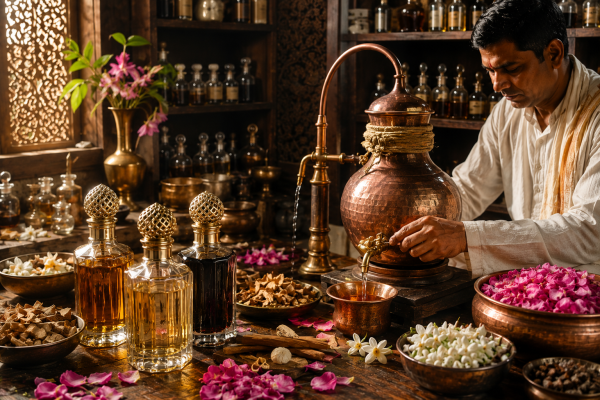
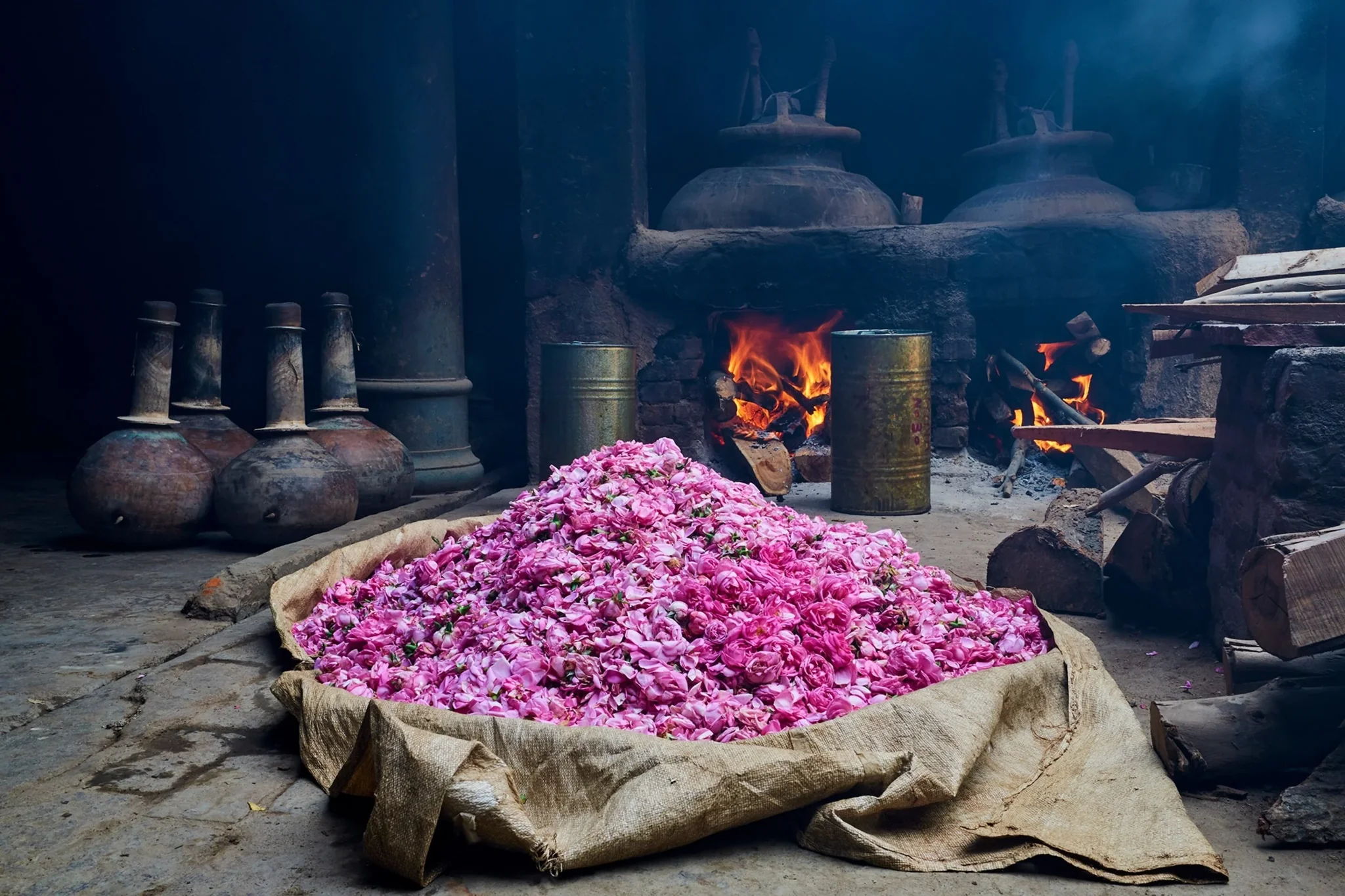
Genuine attar is expensive to produce. The raw material costs are real — it takes approximately 60,000 rose petals to produce a single tola (approximately 12 millilitres) of genuine rose attar. Quality sandalwood oil, which forms the base of most traditional attars, costs significantly more than the synthetic or paraffin alternatives commonly used as substitutes. The distillation process is slow, labour-intensive, and cannot be meaningfully accelerated without compromising quality.
A synthetic fragrance oil or a diluted imitation can be produced at a fraction of this cost. It can be bottled in identical packaging. It can be given an identical name. And it can be sold at a price that appears attractive compared to genuine attar, which is exactly what makes buyers choose it without understanding what they are choosing.
In Bhopal's local markets, in online marketplaces where dozens of sellers list identical-sounding products at wildly varying prices, in gift shops that stock attar alongside other decorative items, the genuine and the imitation sit side by side, and the buyer rarely has the information to tell them apart.
The following tests and indicators change that.
The Smell Test: What Genuine Attar Actually Smells Like
The most important test is olfactory, and it requires knowing what you are smelling for.
Genuine attar has three defining smell characteristics that synthetic imitations consistently fail to replicate fully.
The first is complexity. A real attar, particularly one built on a sandalwood base with a floral or botanical top, has multiple layers that reveal themselves over time. When you first smell it, you notice one character. Twenty minutes later, having applied it to your wrist, the smell has shifted. An hour later, it has shifted again. This is the natural progression of a fragrance made from actual botanical compounds reacting with skin chemistry. A synthetic oil tends to smell the same from the first to the last. Flat, consistent, unchanging.
The second is naturalness. Genuine attar smells like the thing it is derived from, but in a concentrated, complex way that no synthetic can fully reproduce. Real rose attar smells like roses, warm, alive, slightly green at the edges, exactly the way a pile of rose petals smells when you press your face into them. Synthetic rose fragrance oil smells like the idea of roses — clean, simplified, slightly artificial in a way that is hard to articulate but immediately recognisable once you have smelled the real version.
The third is the dry down. Apply attar to your wrist. Wait two to three hours. Smell it again. On genuine attar, the base notes sandalwood, musk, and the deeper anchoring compounds — emerge and become more prominent. The fragrance deepens rather than fading. On a synthetic imitation, what you smell after two hours is simply a faded version of what you smelled at the beginning. There is no development because there is nothing to develop.
If you have never smelled genuine attar before, this test requires a reference point. Try to source a known, genuine sample first from an established, documented brand and use that as your benchmark for the comparison.
The Skin Test: What Happens After Application
Apply a small amount to the inside of your wrist. Then observe the following over the next three hours.
Genuine attar absorbs into the skin gradually. It does not sit on the surface as a visible oil film for extended periods because the carrier oil and the aromatic compounds are being actively absorbed. Within five to ten minutes of application, the visible oil on the skin surface should have largely absorbed, leaving the fragrance behind.
Fake attar, particularly those made with cheap mineral oil or paraffin as the carrier rather than quality sandalwood or jojoba, tends to sit on the skin surface longer, sometimes leaving a more persistent oily sheen. The fragrance may also feel slightly separate from the skin rather than integrating with it.
Check for skin reaction. Genuine attar made from natural or nature-identical compounds and quality carrier oils should not irritate normal skin. A burning or itching sensation immediately after application is a warning sign that it can indicate the presence of low-quality synthetic compounds or an impure carrier base.
The longevity test is the definitive skin test. Genuine attar applied to moisturised pulse points correctly will be detectable eight to ten hours after application. If what you have applied is largely undetectable by early afternoon, you have strong evidence that it is not genuine concentrated attar.
The Paper Test
Apply a drop or a small roll of the attar to uncoated white paper. Wait thirty minutes for the oil to absorb. Then smell the paper.
Genuine attar will leave a faint oil mark on the paper. Sandalwood oil does absorb into paper, but the fragrance will remain on the paper for hours. The smell on paper will be a quieter version of the skin fragrance, less dynamic because there is no skin chemistry or body heat involved, but recognisably similar in character.
Synthetic fragrance oils diluted in alcohol or poor-quality carriers often leave a mark that smells sharp, slightly chemical, or significantly different from what the bottle claimed.
Also, observe the oil mark itself. Genuine sandalwood-based attar leaves a light, relatively clean oil mark that does not feel greasy to the touch after absorption. Mineral oil or paraffin-based carriers leave a more persistent, heavier mark and tend to feel greasier longer after application.
The Price Test: What Genuine Attar Actually Costs
Price alone is not a reliable test; a high price does not guarantee quality, and there are genuine attars at accessible price points. But price outside of a certain range is a reliable red flag.
Genuine rose attar extracted from actual rose petals through traditional distillation costs what it costs because of the raw material requirements described earlier. A product claiming to be pure rose attar at a price that seems remarkably low is almost certainly not what it claims to be. The economics simply do not support it.
Similarly, genuine oud agarwood oil is among the most expensive fragrance materials in the world. A product claiming to contain real oud at mass-market pricing is either a blend with minimal actual oud or an imitation entirely.
The relevant question is not whether the price is high or low but whether the price is consistent with what it would cost to produce what is being claimed. An attar described as a blend of sandalwood base with contemporary aromatic compounds at an accessible price point is plausible. An attar claiming to be pure steam-distilled rose essence at the same price is not.
In Bhopal's local market, in the shops near Itwara and Hamidia Road, genuine attars from established makers sit at prices that reflect their production costs. The significantly cheaper alternatives at the same locations reflect the different economics of synthetic production. The gap in price usually corresponds to a gap in quality that the tests above will confirm.
The Bottle and Packaging Test
Packaging is not a definitive indicator; both genuine and fake attar appear in a wide range of packaging, but certain signals are worth noting.
A genuine attar brand will be able to tell you something specific and verifiable about the fragrance — its botanical source, its base, its general production method. A vague or evasive response to a direct question about what the attar is made of is a warning sign.
Look for batch information or production details. Established attar makers track their production. An absence of any identifying information — just a name and a price with nothing else is worth noting.
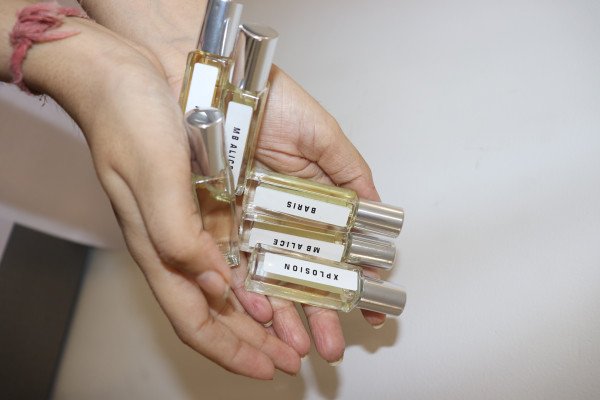
Roll-on formats from established brands are generally more reliable than anonymous bottles from unknown sources, because an established brand is accountable for what is in the bottle in a way that a market stall seller of unbranded product is not.
Where Fake Attar Is Most Common
Being specific helps more than being vague.
Online marketplaces with multiple third-party sellers listing the same or similar product names at very different prices are a significant risk zone. The variance in price for what appears to be the same product, sometimes differing by 80 or 90 percent, reflects variance in what is actually inside, not a bargain from one seller.
Generic gift shops in tourist areas, including areas in Bhopal that serve visitors to Upper Lake, Bhimbetka, or Sanchi, often stock attar as a gift item without the knowledge or accountability of a dedicated fragrance seller. The product may be genuine; it may not be. The seller cannot reliably answer questions about provenance.
Local market stalls selling loose attar from large bottles , allowing buyers to purchase small quantities, are high-risk for adulteration. The large bottle may have been genuine when full; what has been added to it since is unknown.
Dedicated, established attar sellers , whether physical shops in Bhopal's old city with known histories, or established online brands with documented provenance and accountability, carry significantly lower risk.
The Questions to Ask Before Buying
Three questions. If the seller answers them specifically and consistently, confidence increases. If the responses are vague, evasive, or change between questions, confidence decreases.
What is the base oil in this attar? The correct answer for traditional attar is sandalwood oil, though modern attars may use jojoba or other carrier oils. "Fragrance oil" or "perfume base" as a response is not an answer; it is an evasion.
Where are the botanical ingredients sourced from? A seller who knows their product can answer this. Rose from Kannauj or from Bulgaria. Vetiver from Uttar Pradesh. Jasmine from Tamil Nadu. Vagueness here is a signal.
How long does this attar last on skin? A genuine concentrated attar should last eight to twelve hours. A confident, specific answer aligned with this range indicates knowledge of the product. "All day" as an unspecific claim means nothing.
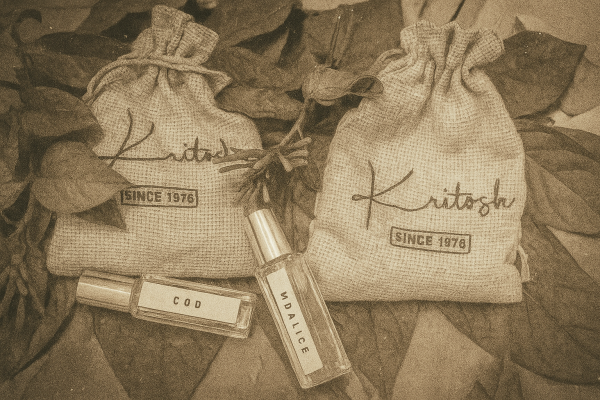
Kritosh Fragrances: Accountability by Default
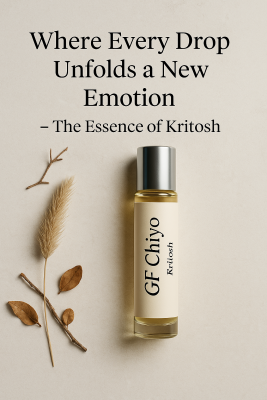
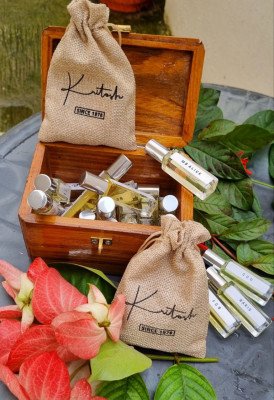
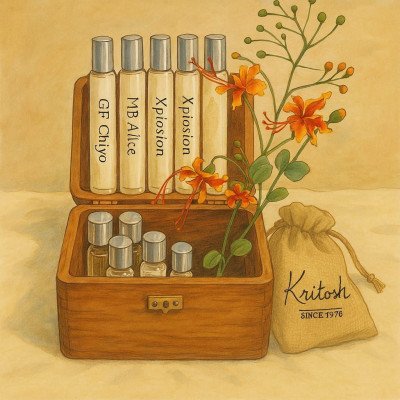
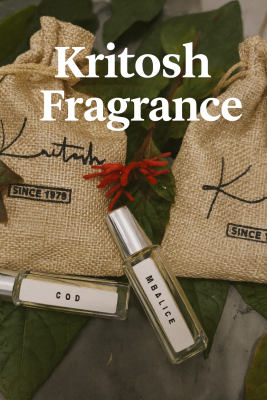
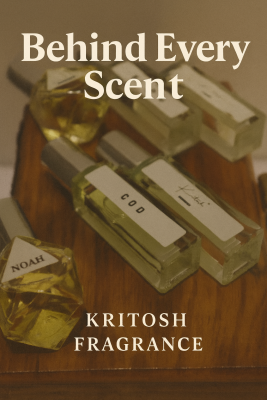
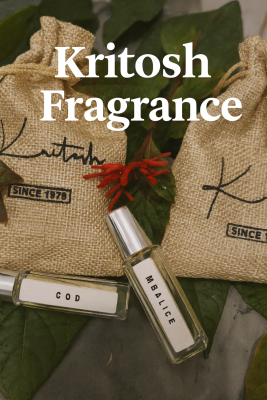
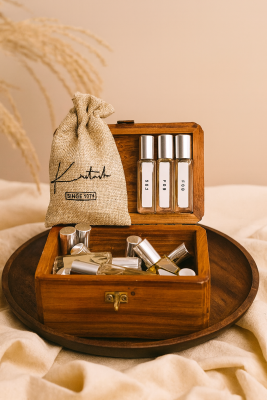
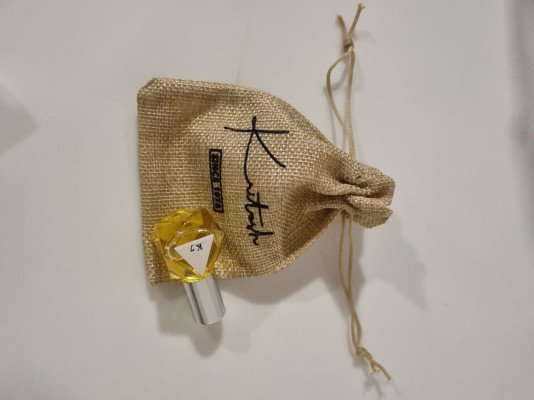
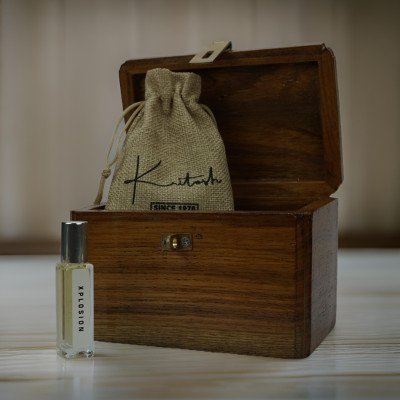
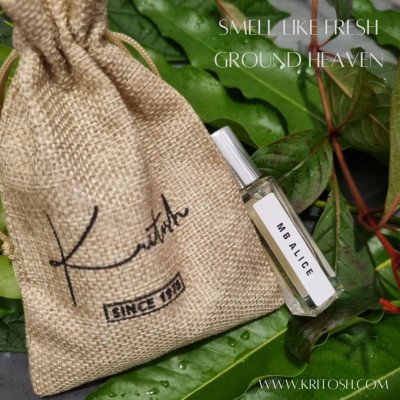
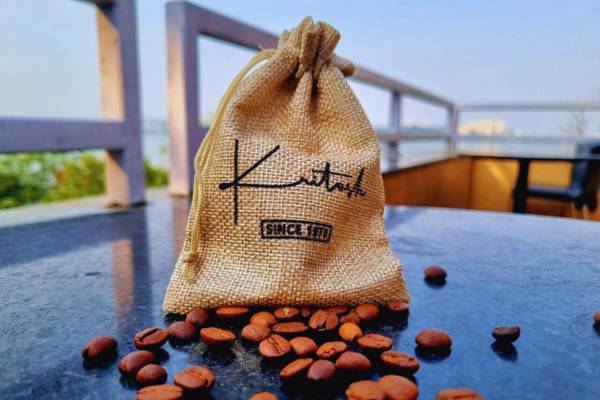
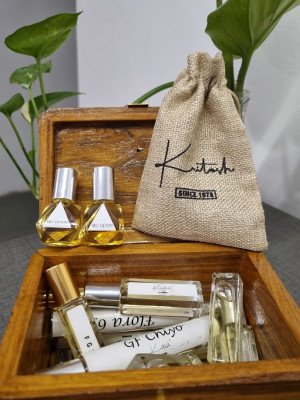
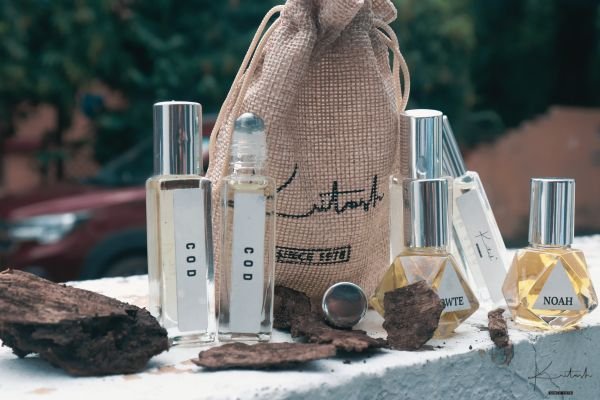
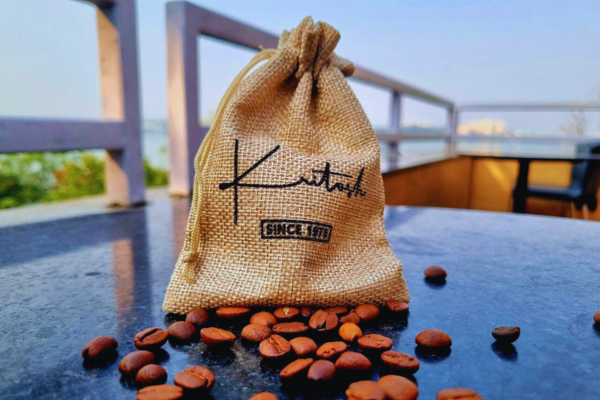
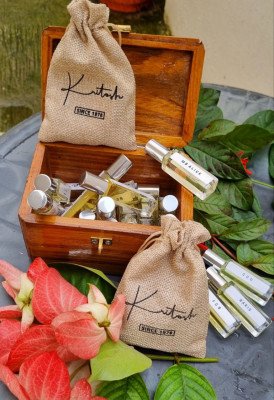
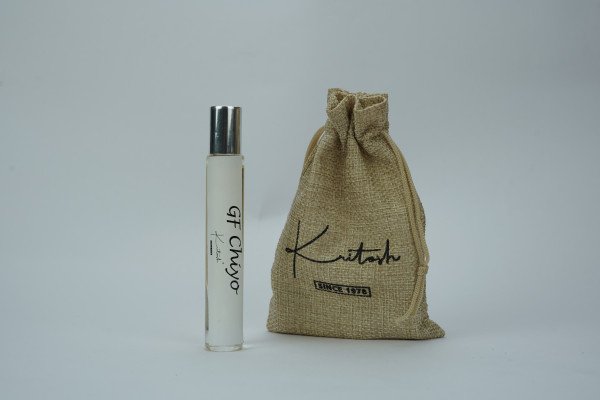
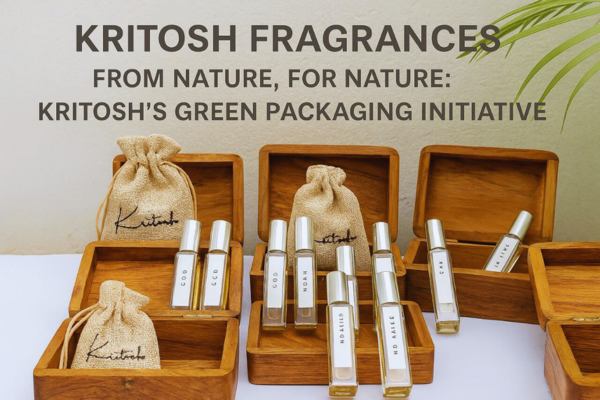
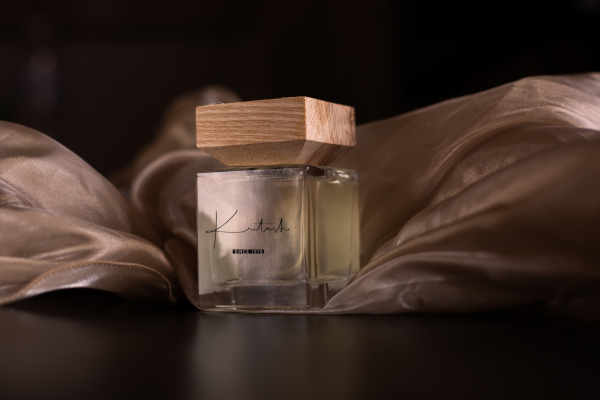
Kritosh Fragrances has been making attar in Bhopal since 1978. Nearly five decades of production in one city, under one name, with an accountable history — this is the opposite of the anonymous market stall bottle.
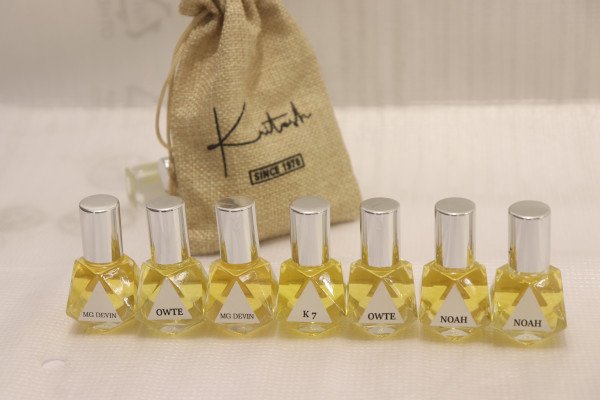
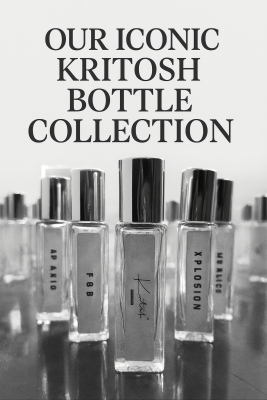
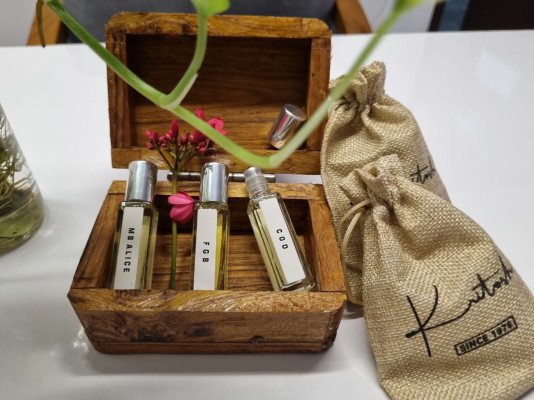
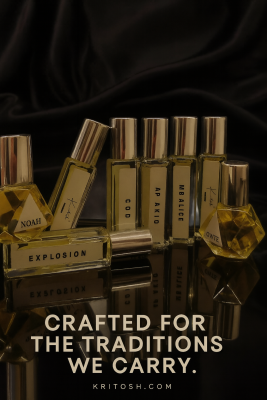
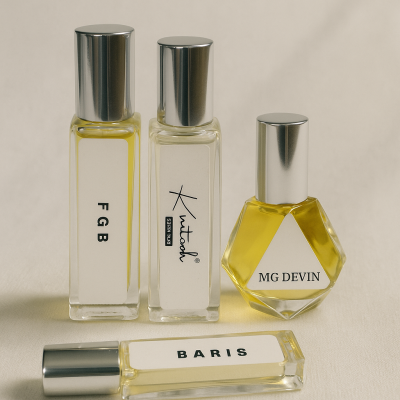
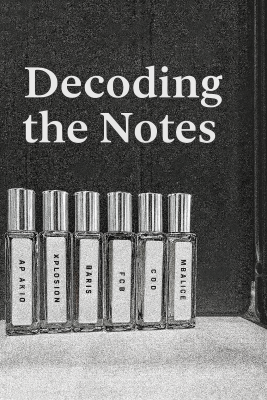
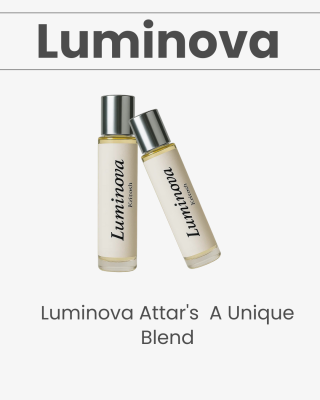
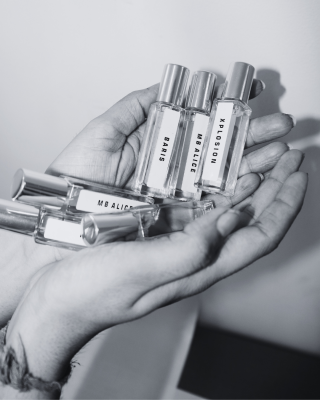
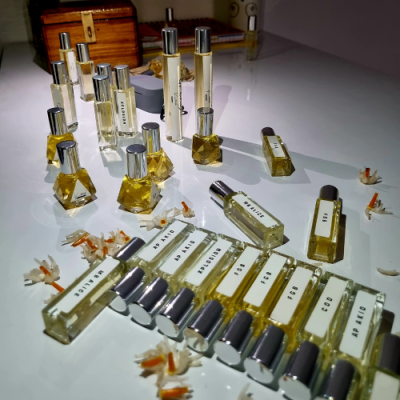
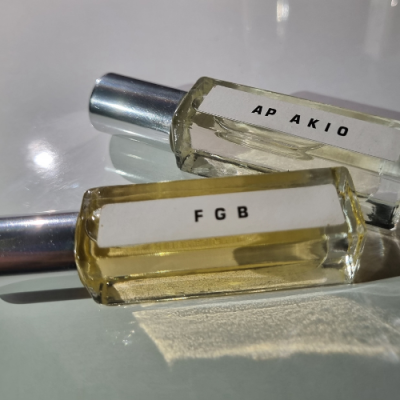
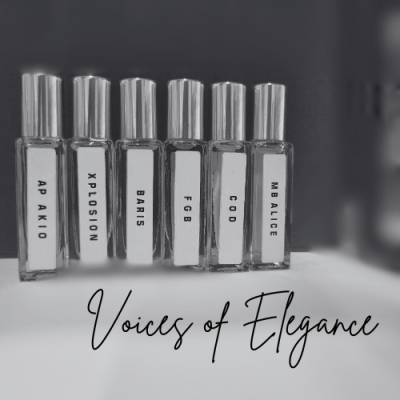
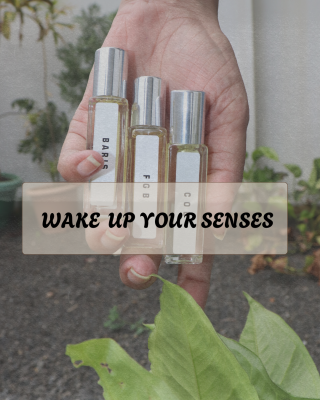
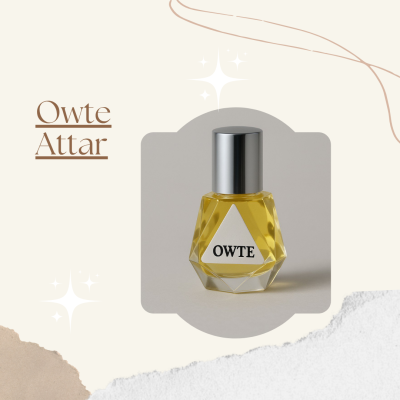
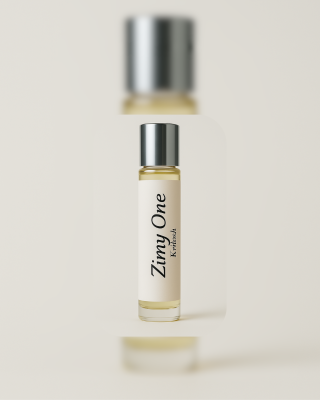
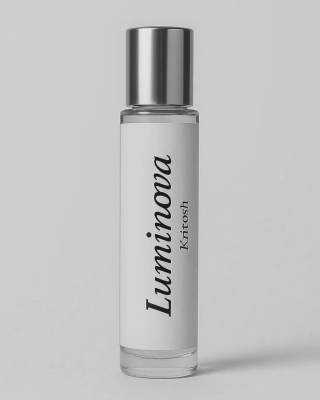
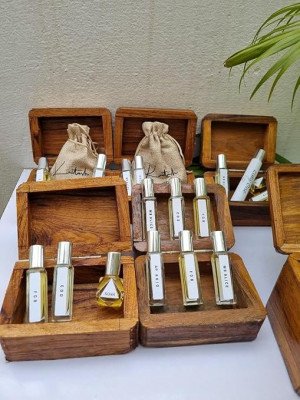
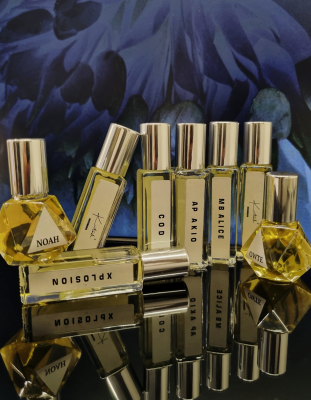
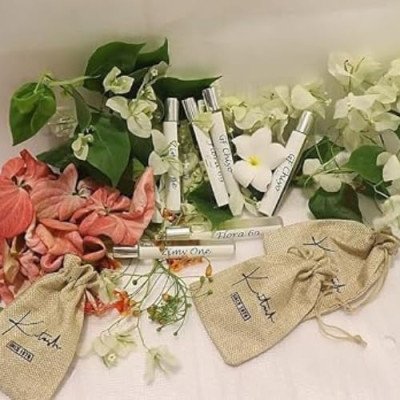
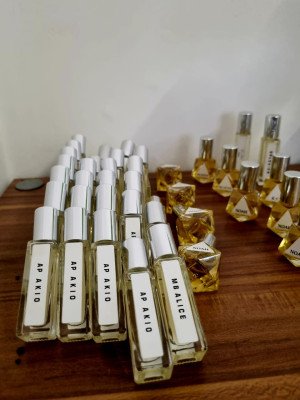
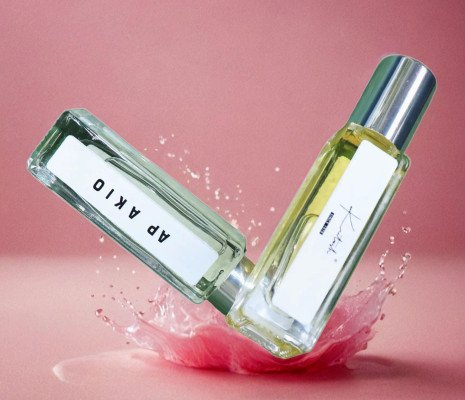
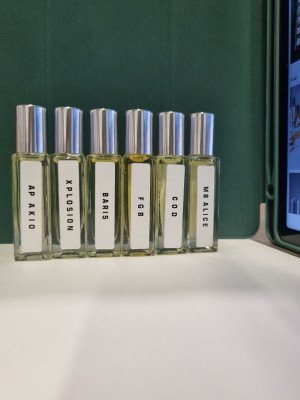
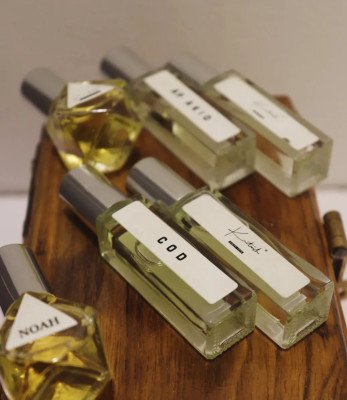
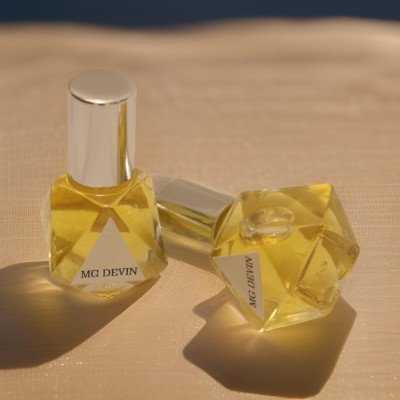
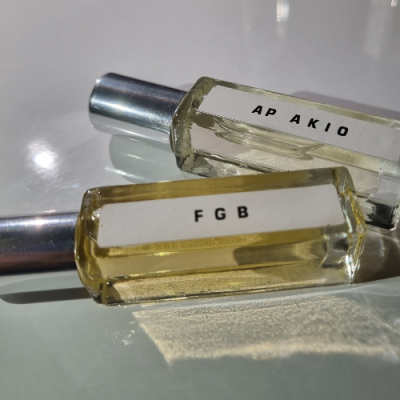
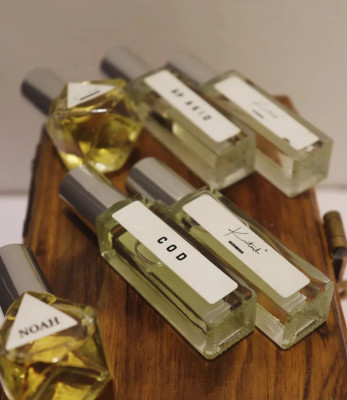
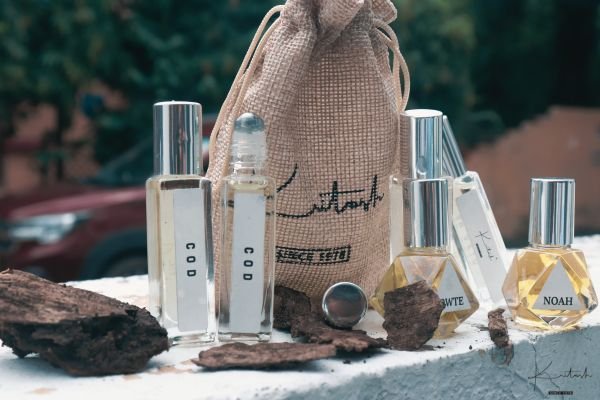
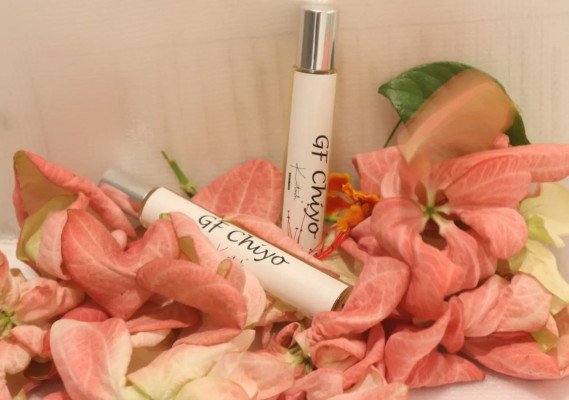
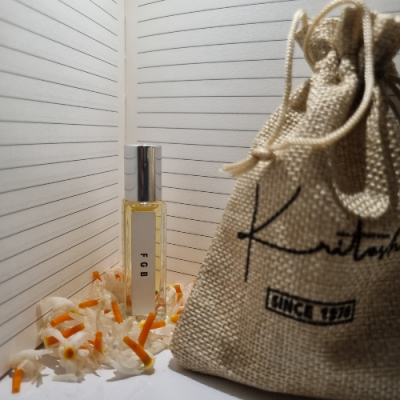
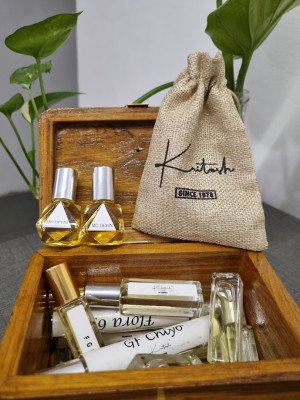
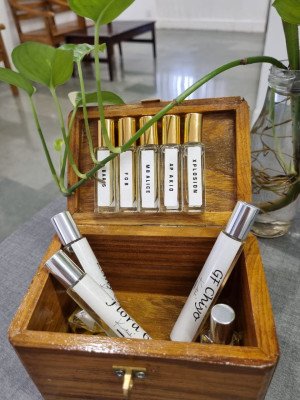
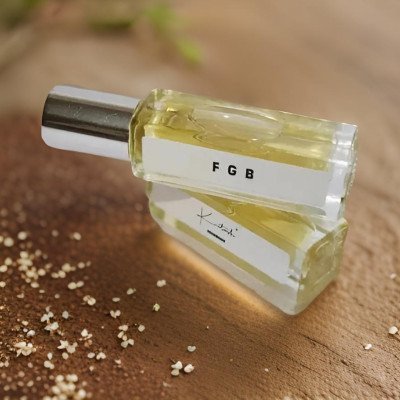
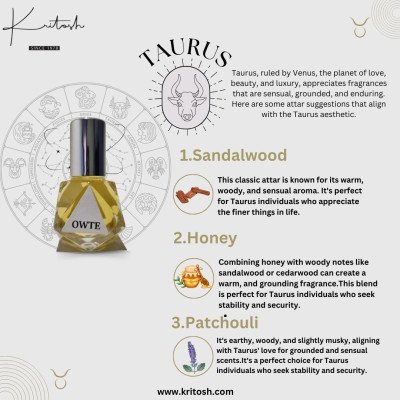
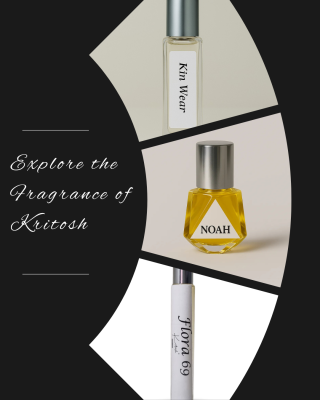
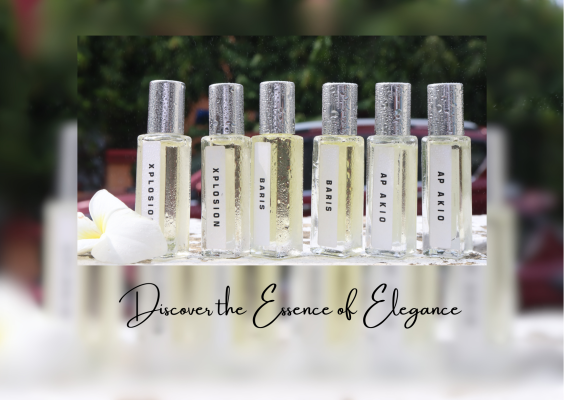
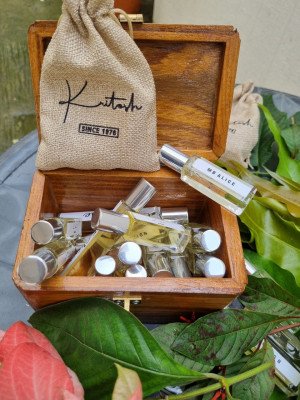
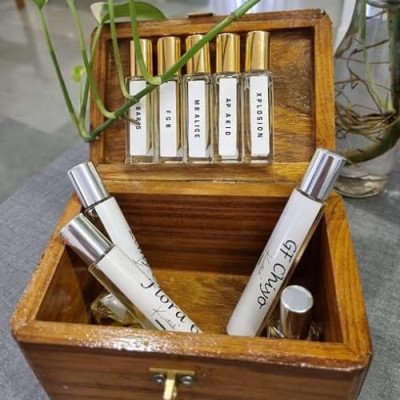
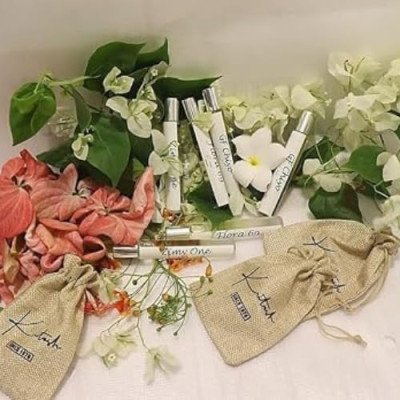
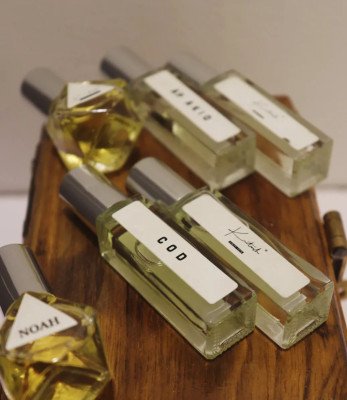
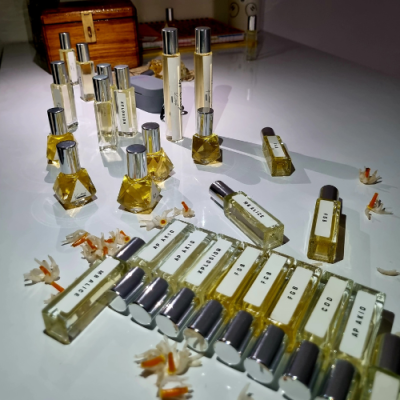
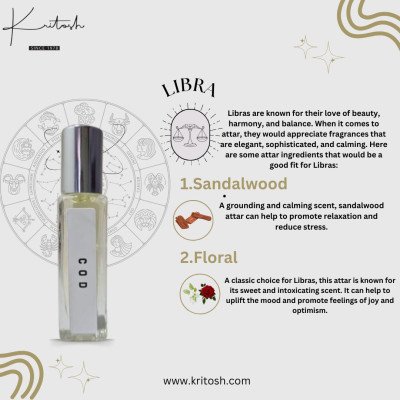
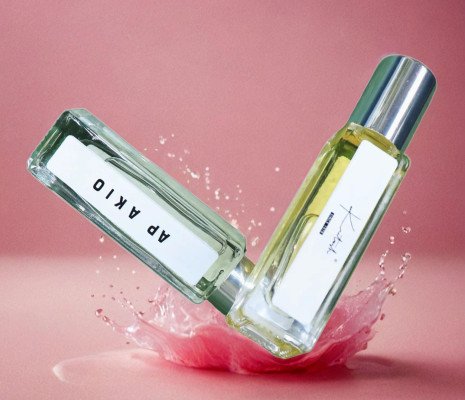
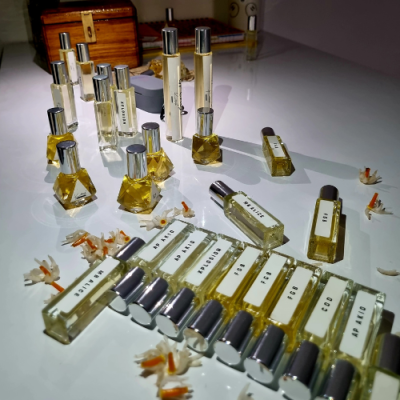
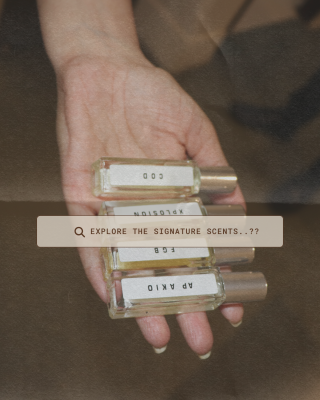
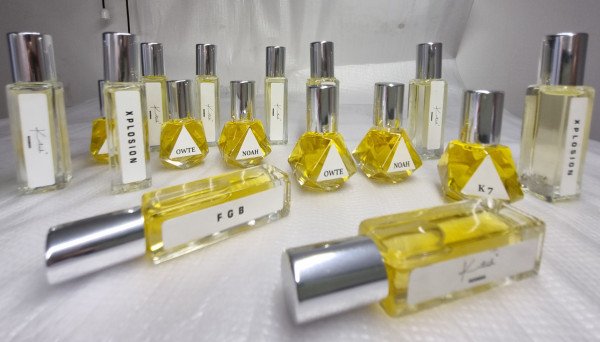
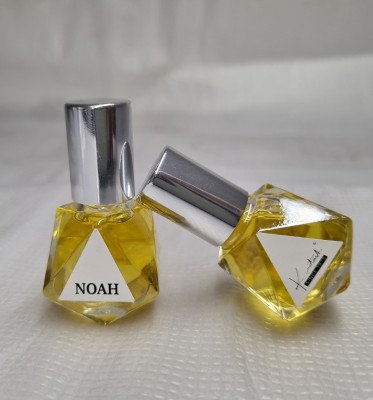
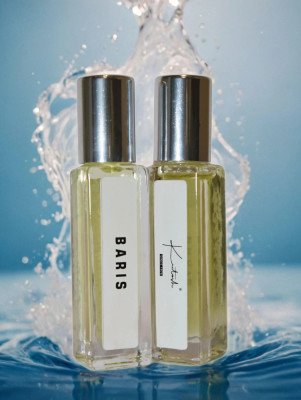
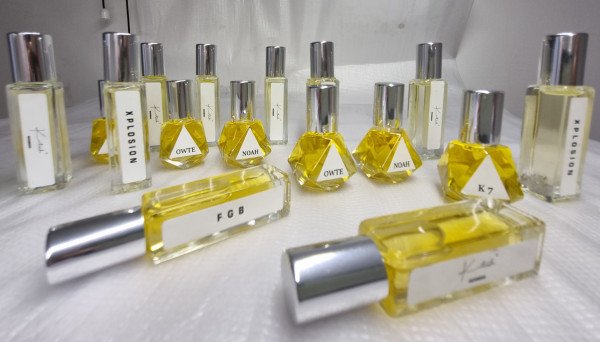
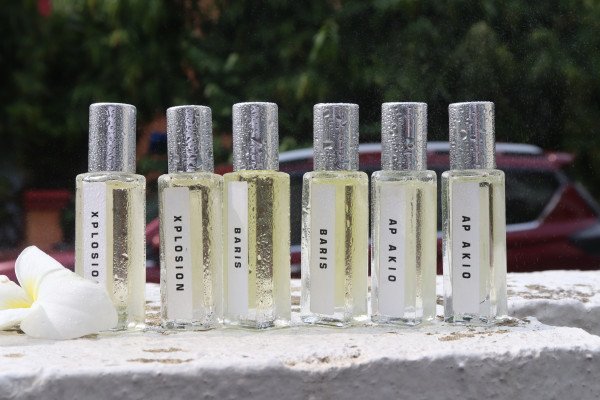
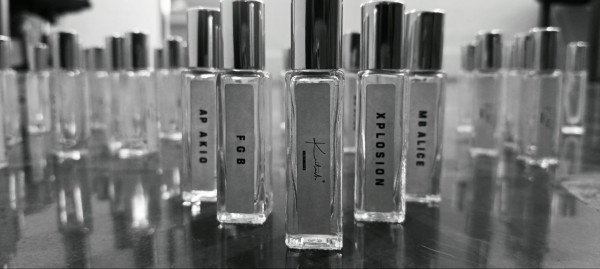
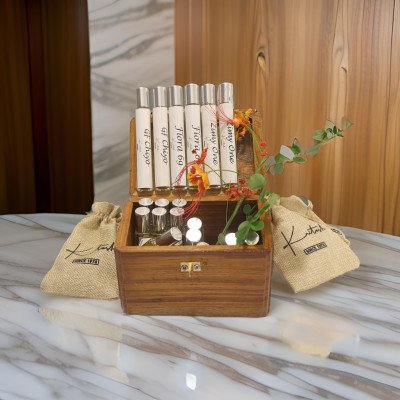
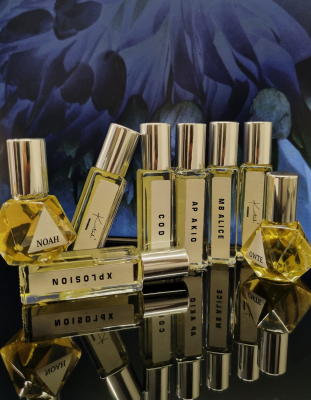
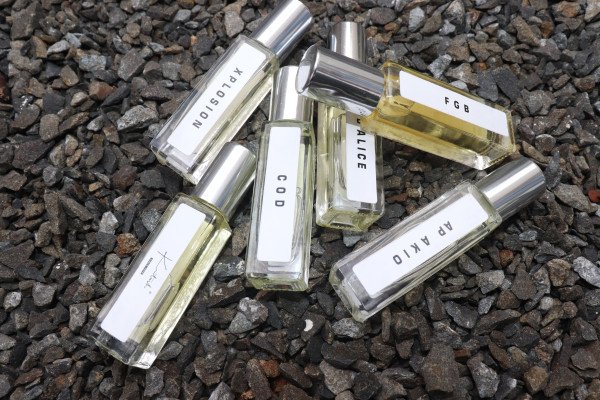
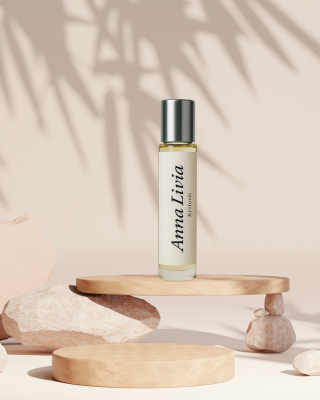
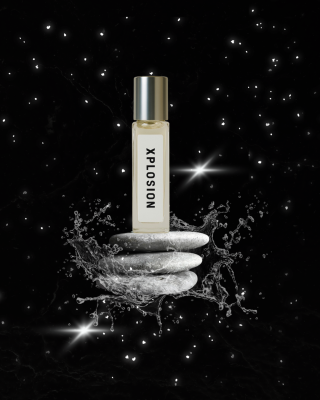
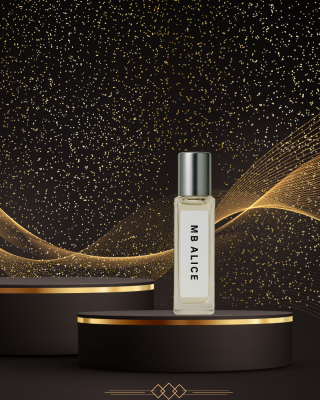
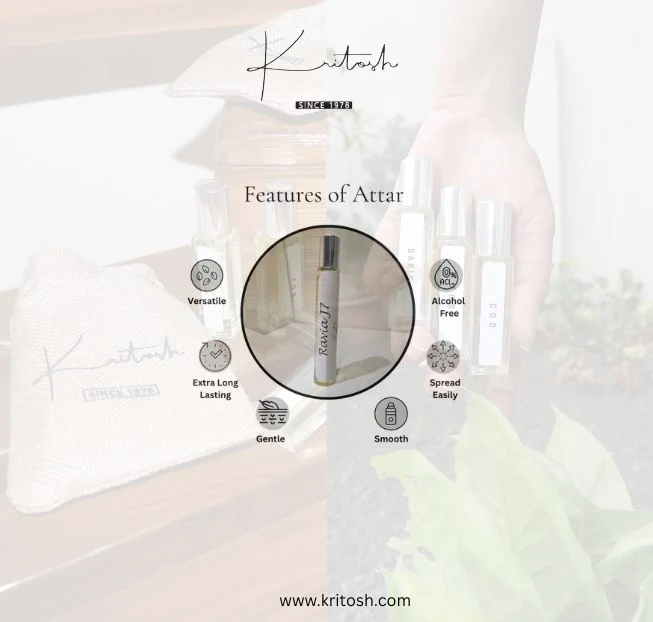
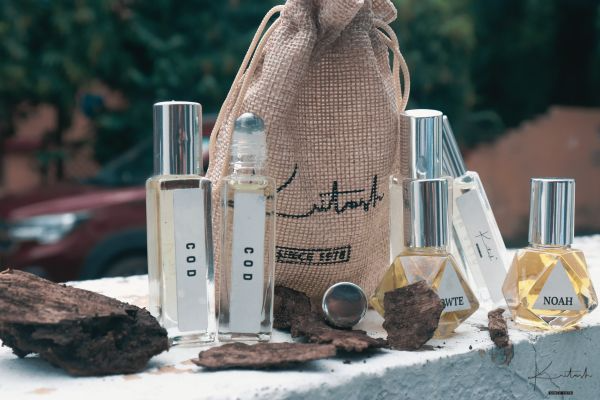
The range at www.kritosh.com uses oil-based, alcohol-free formulations across aquatic, woody, floral, and fruity fragrance families. Every product is available in roll-on format, clean, consistent, and traceable to a brand that has been answering questions about its fragrance since before most of its current customers were born.
The tests in this guide work on any attar from any source. Apply them to Kritosh products and satisfy yourself. Apply them to whatever else you are considering and do the same.
Real attar passes these tests. The other kind does not.