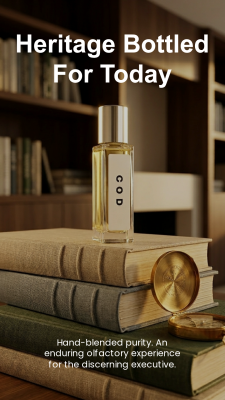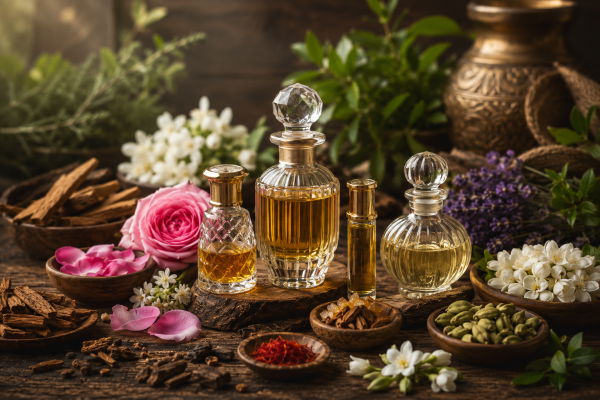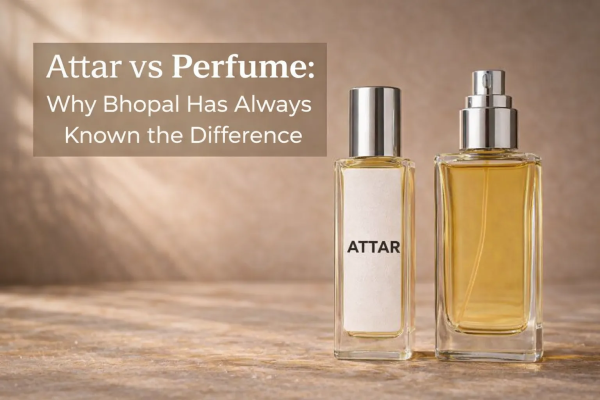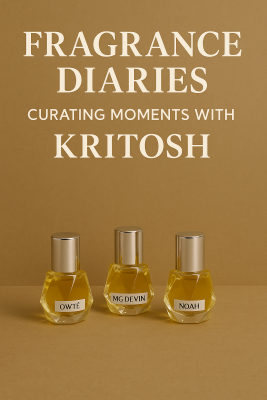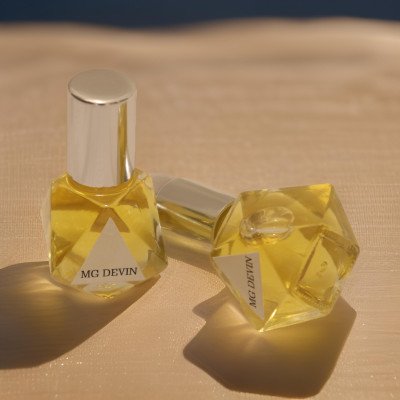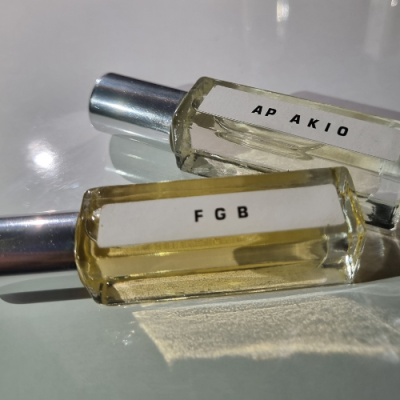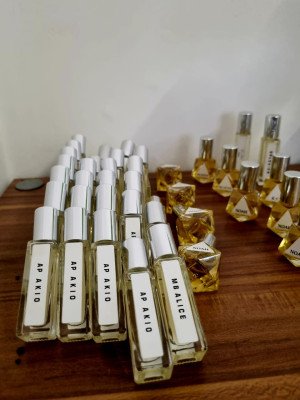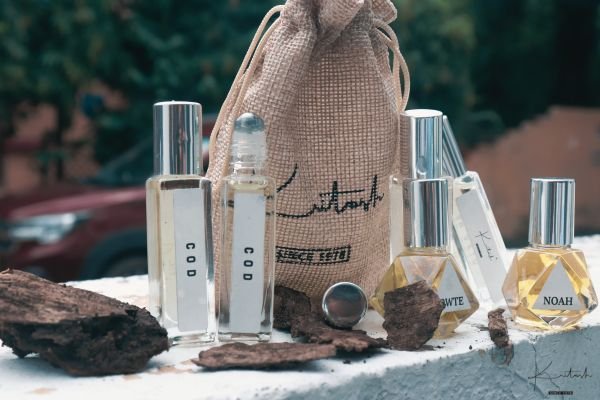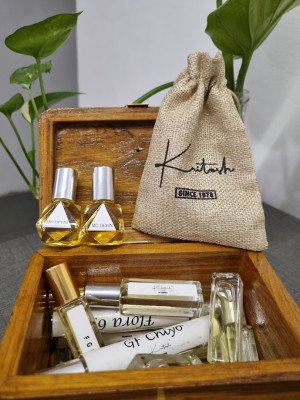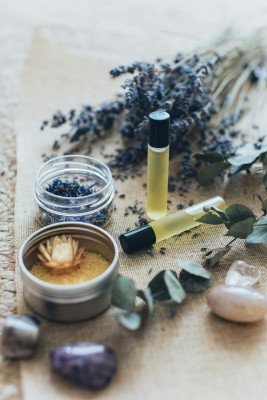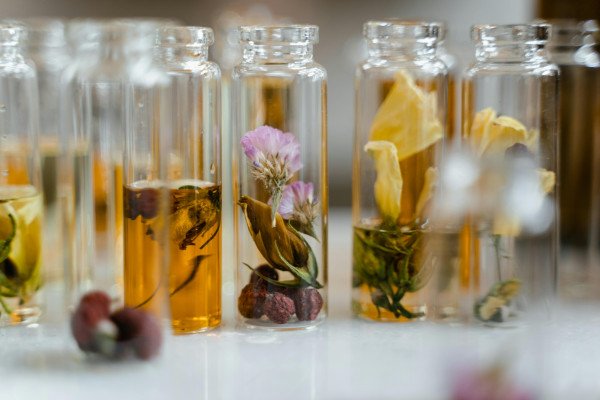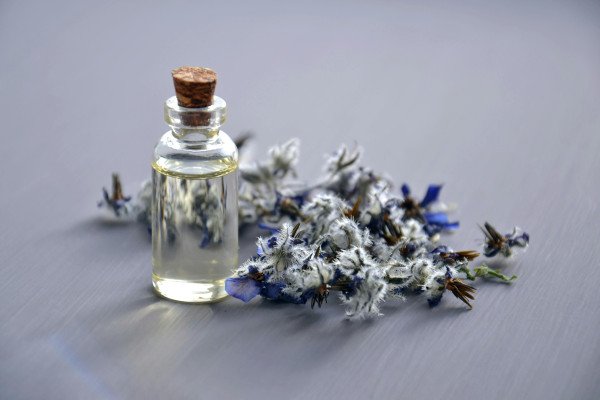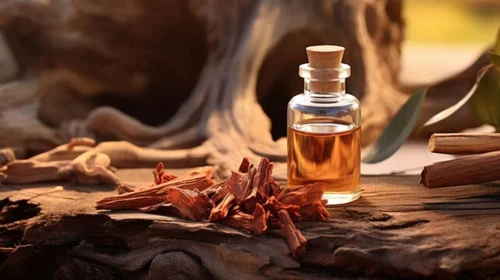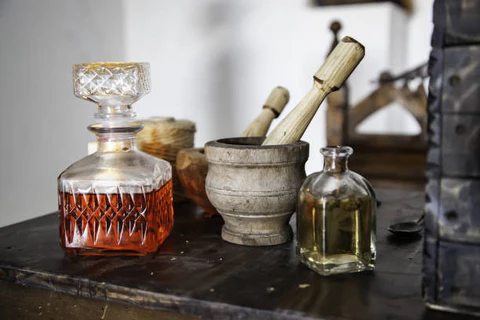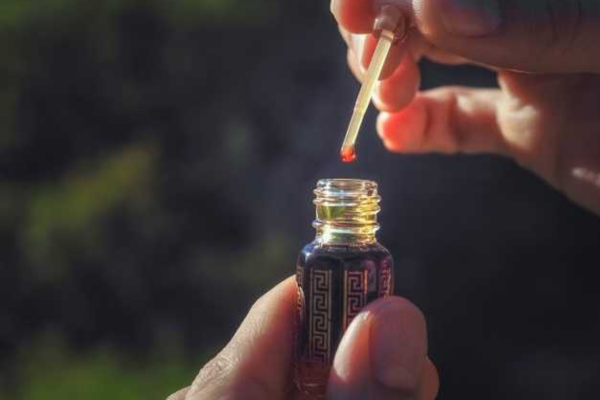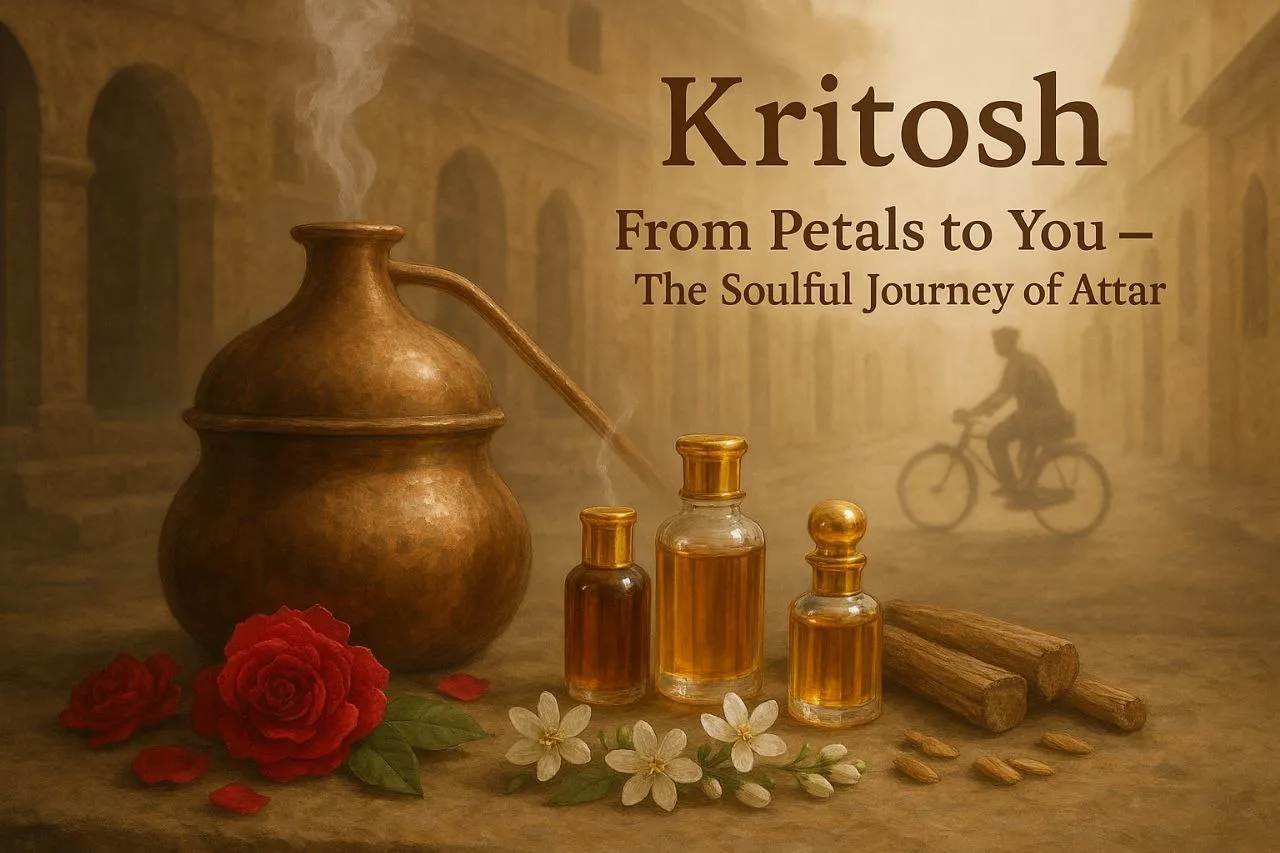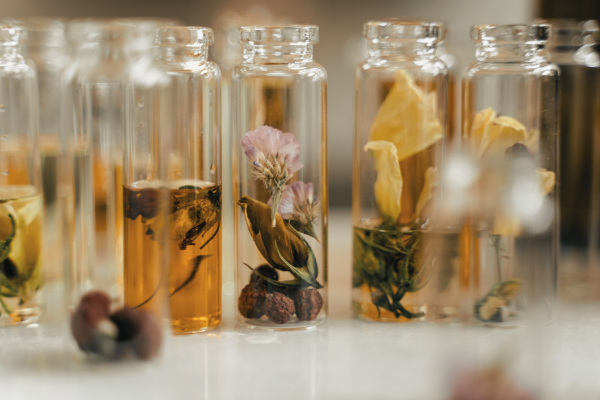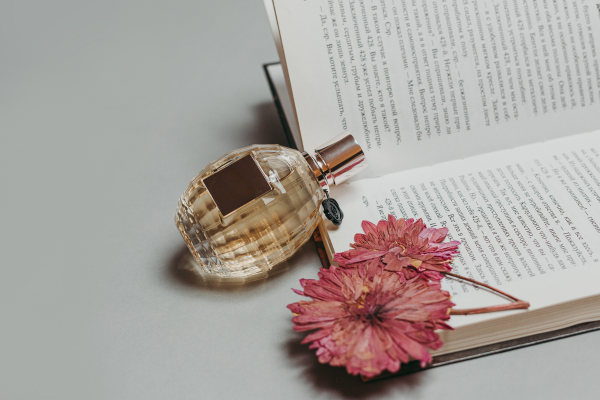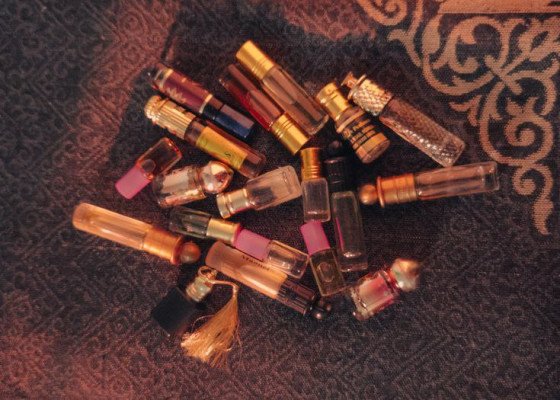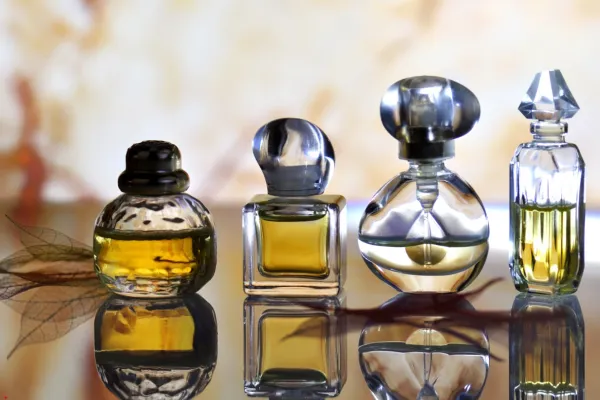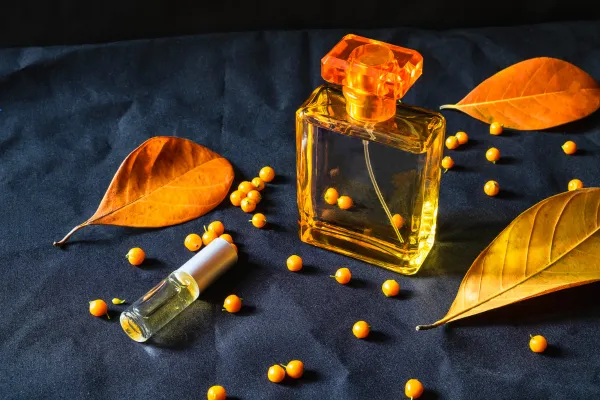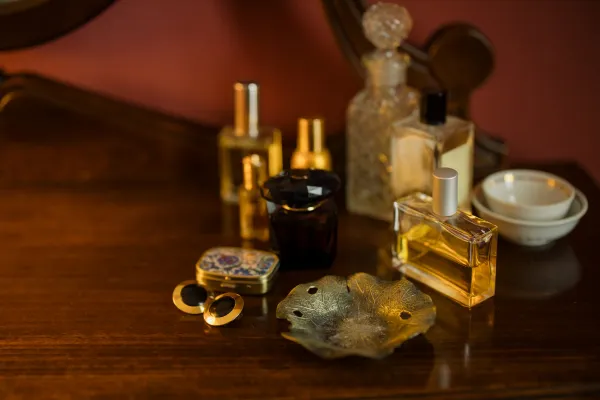

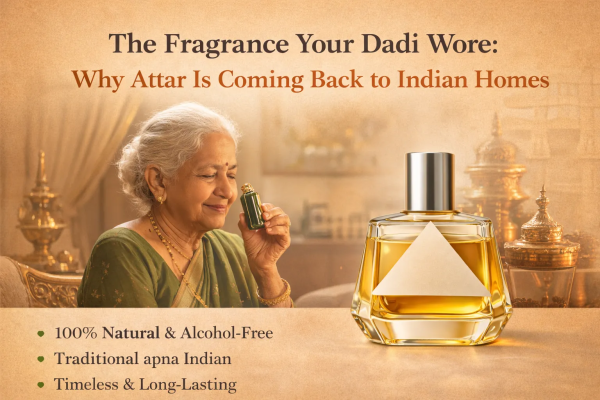

small glass bottle somewhere in the memory of almost every Indian household. It sat on a dressing table, or in a steel almirah, or in the corner of a puja room. It was brought out on Eid, or before a wedding, or on a day that mattered. The person who opened it - a grandmother, a grandfather, an aunt who always seemed more put-together than everyone else, applied it with a precision that suggested it was not something to be wasted.
That bottle was attar.
And if you grew up in Bhopal, there is a reasonable chance it came from the lanes near Itwara, from a shop that has been there since before your parents were born, sold by a family that has been blending khushboo since the city itself was finding its shape.
Attar did not disappear. It retreated. And now, quietly and then all at once, it is coming back, not as nostalgia, but as the obvious answer to questions the spray-perfume generation has been asking for years.
What Happened to Attar
In the decades following independence, India experienced a fragrance identity shift that was really part of a larger cultural shift. Western consumer goods arrived with aspirational packaging and the implied promise that modernity smelled a certain way, and that way was French, alcoholic, and came in a spray bottle.
Attar, by contrast, was traditional. It was something your elders used. It was oil-based in an era that was learning to associate spray with sophistication. The brands that might have modernised the attar format and kept it culturally central largely did not. They stayed in their old city shops, serving their established customers, while the middle class moved on to department store counters.
This was not a quality verdict. It was a perception shift, and like most perception shifts, it had very little to do with what was actually better.
The spray perfumes that replaced attar in Indian homes were, and remain - fundamentally unsuited to Indian conditions. They evaporate in heat. They irritate sensitive skin. They cost more per use than their concentrated oil-based alternatives. And they smell identical on every person who buys them because they were designed for a different climate, a different skin chemistry, and a different cultural context entirely.
The generation that grew up buying them is now noticing all of this.
Why It Is Coming Back Now
Several things are happening simultaneously that are driving attar's return to Indian homes, and none of them are accidental.
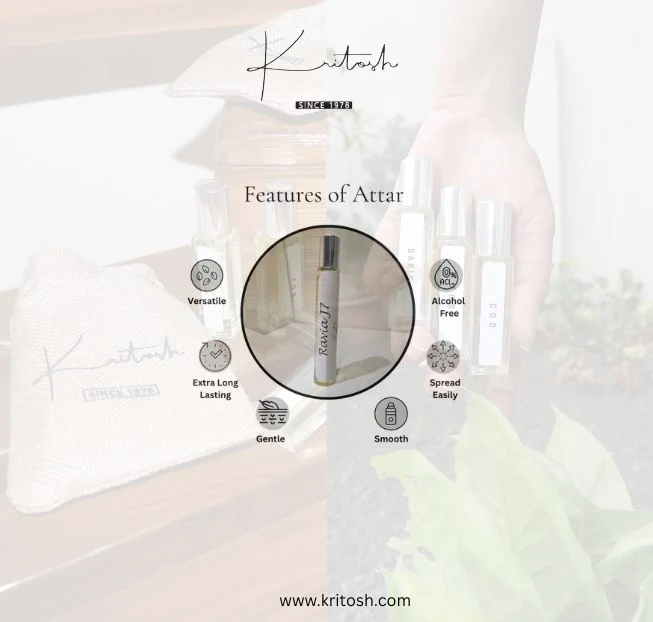
The clean beauty movement has reached fragrance. People who started reading ingredient labels on their skincare are now reading them on their perfumes. Alcohol, synthetic fixatives, and undisclosed fragrance compounds are getting the same scrutiny that parabens and sulphates got a decade ago. Attar — oil-based, typically natural or close to it, free of alcohol - is a natural beneficiary of this shift.
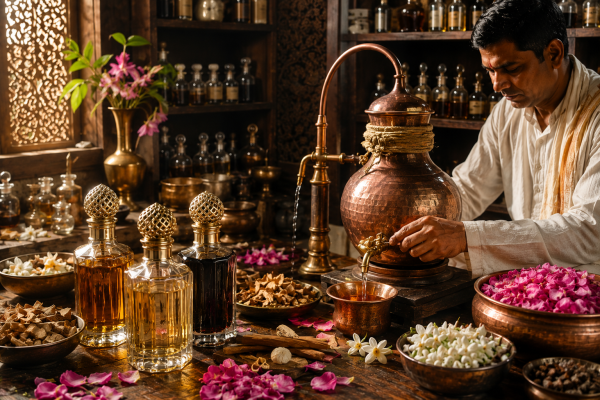
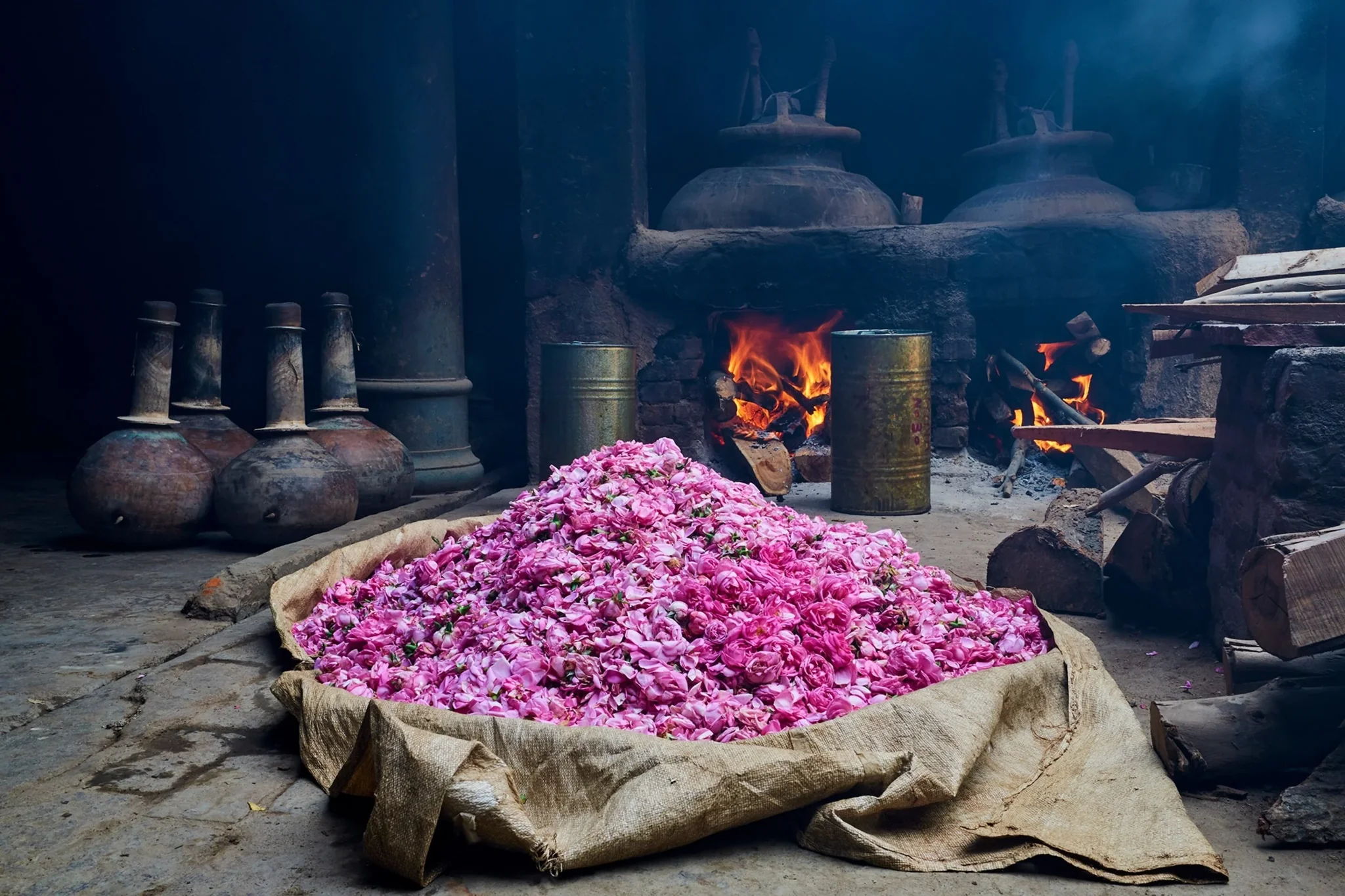
The premiumisation of Indian heritage is another driver. Handloom, artisanal food, small-batch spirits, regional craft - Indian consumers across income brackets are increasingly willing to pay for things that are made here, made well, and carry a story that synthetic mass production cannot replicate. Attar is one of the oldest craft industries in India. Kannauj has been distilling fragrance for over a thousand years. Bhopal has carried its own attar culture for centuries. That heritage now reads as premium rather than old-fashioned.
The algorithm has also played a role that would be amusing if it were not so effective. Short-form video content about attar - how it is made, how to apply it, what it smells like compared to designer sprays, has introduced the format to an entire generation of Indian consumers who had no memory of the glass bottle on their grandmother's dressing table. They found attar on their phone screens and went looking for it in real life.
What the New Attar Consumer Looks Like
The person rediscovering attar today is not who the old city attar shops were designed for.
She is in her late twenties, working in Bhopal, probably in MP Nagar or Hoshangabad Road. She has been buying mid-range spray perfumes for years and is quietly disappointed by them, they fade too fast, they smell like everyone else in the office, and she has started to notice that the alcohol dries out the skin on her wrists where she applies them.
He is in his thirties, has tried enough designer fragrances to have opinions about them, and has become interested in fragrance as a practice rather than just a habit. He is the kind of person who reads about what he buys. He has heard about oud and wants to try it without spending what a bottle of genuine oud costs at a luxury counter.
Both of them are looking for something that is good, honest about what it is, and does not require a mythology of exclusivity to justify its price. Attar, as it turns out, is exactly that.
What Dadi Actually Knew
The glass bottle on the dressing table was not sentimentality. It was expertise accumulated over generations about what works on Indian skin, in Indian heat, across Indian occasions.
Oil-based fragrance on warm skin, in a hot climate, with the intention of wearing it through a full day of activity - attar was designed for exactly this context. The person who developed this format was not working in a laboratory trying to solve a theoretical problem. They were solving a lived one, in the same cities and the same summers that their descendants navigate today.
Dadi knew that a single careful application lasted all day. She knew that the fragrance changed as the day progressed - lighter in the morning, deeper by evening — because that is what oil-based fragrance does on warm skin. She knew that it did not irritate, did not disappear, and did not require a top-up every two hours.
She probably did not have the vocabulary of base notes and dry down and sillage that contemporary fragrance discussion uses. She just knew what worked. It is worth noting that she was right.
Kritosh Fragrances — 1978 to Now
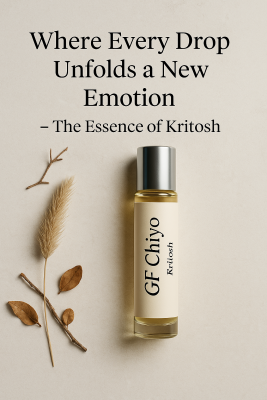
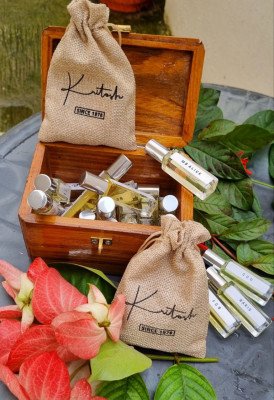
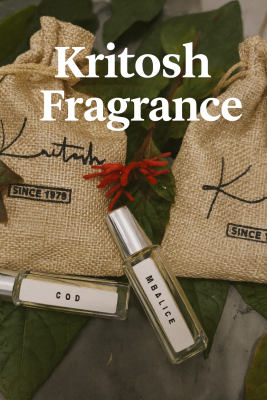
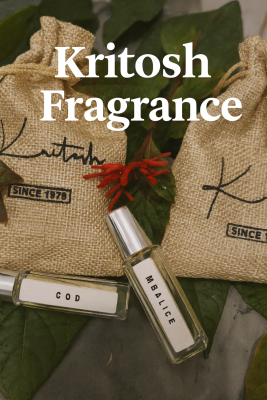
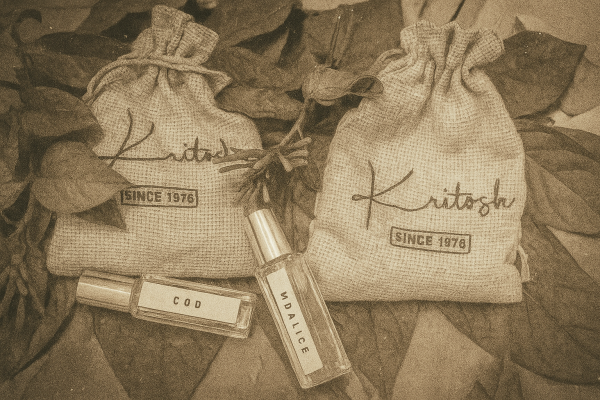
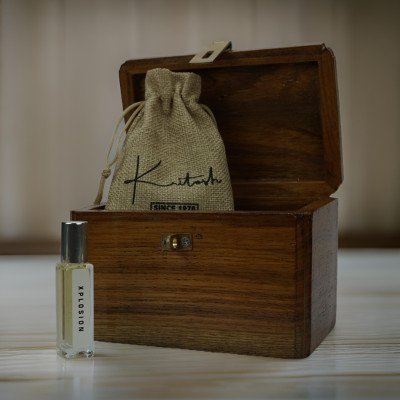
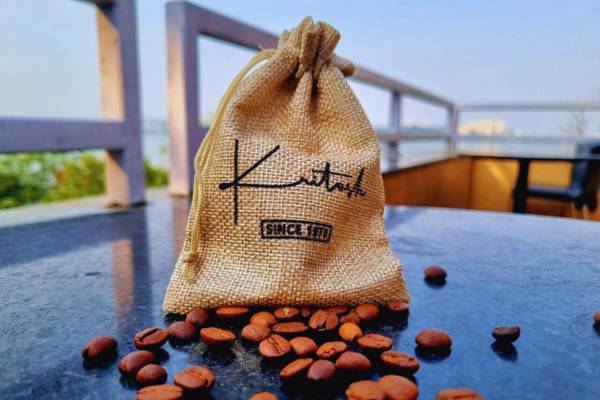
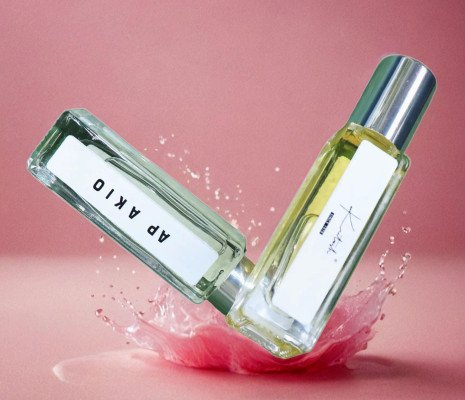
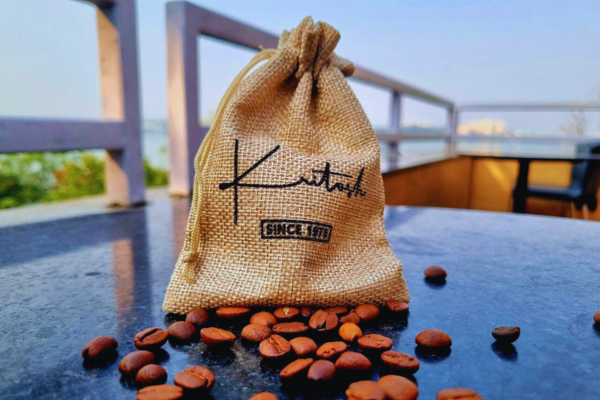
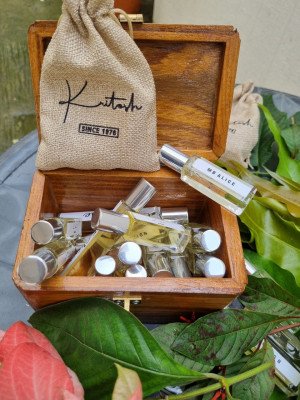
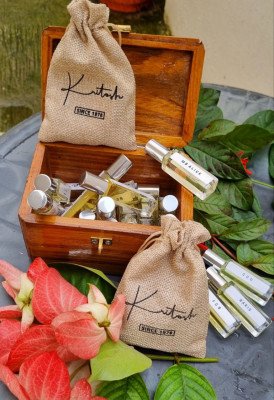
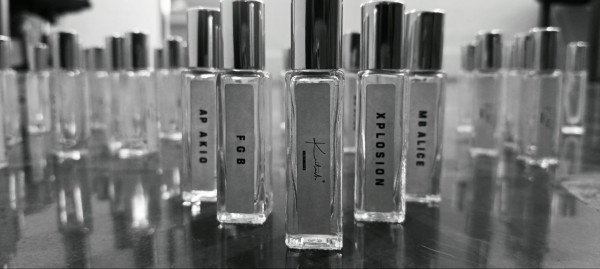
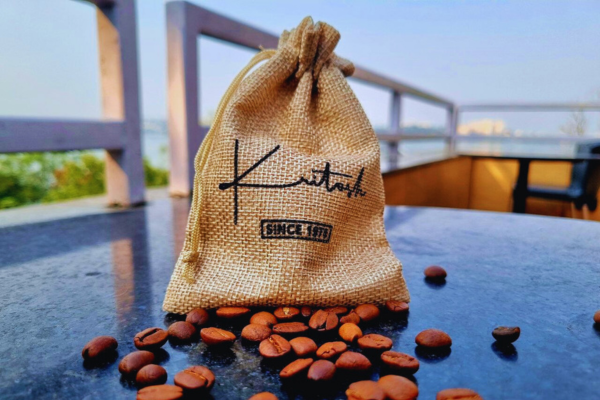
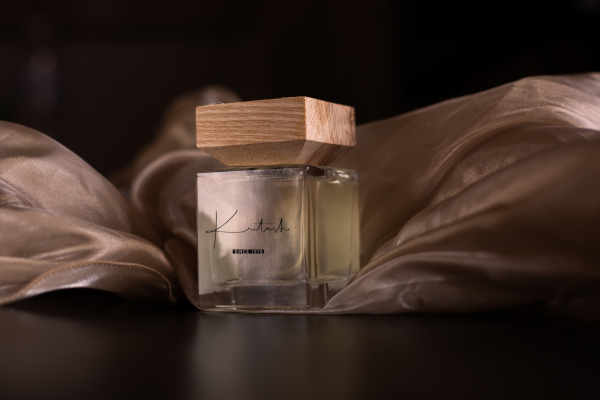
Kritosh Fragrances began in Bhopal in 1978, which means it predates the period of maximum spray-perfume dominance and has been making attar through all of it, through the decades when the category was considered old-fashioned and through the current moment when it is considered forward-thinking.
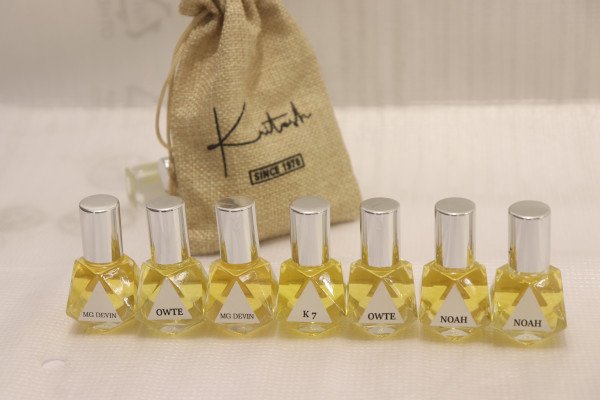
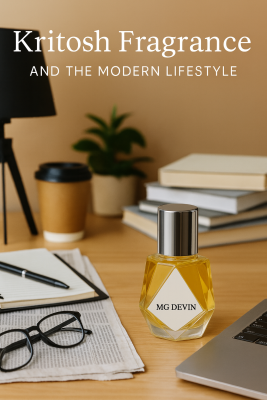
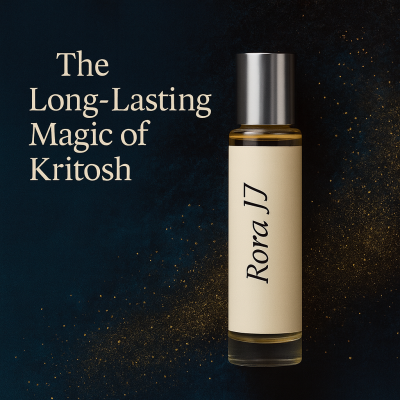
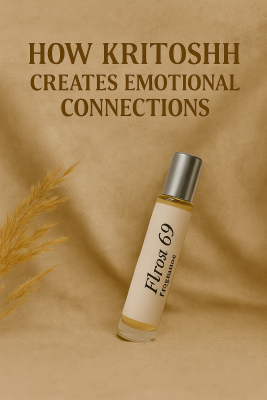
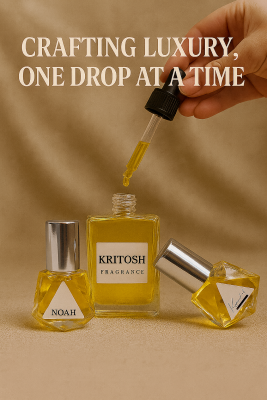
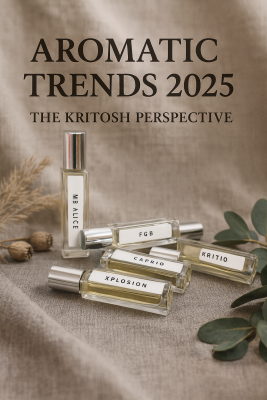
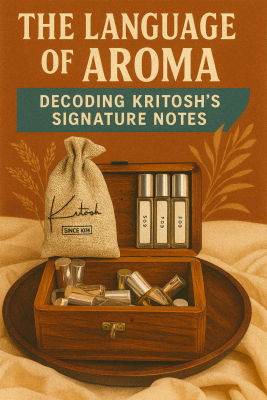
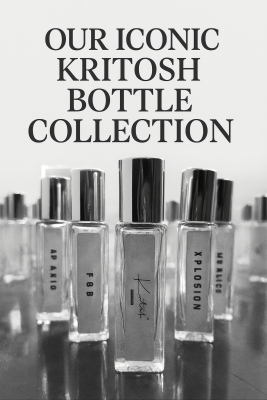
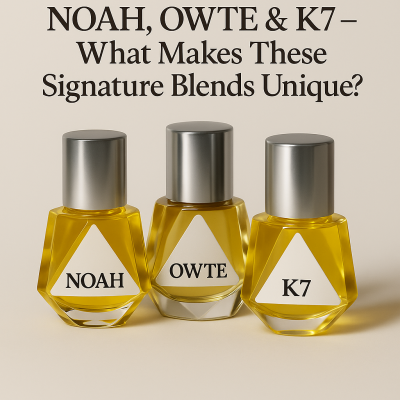
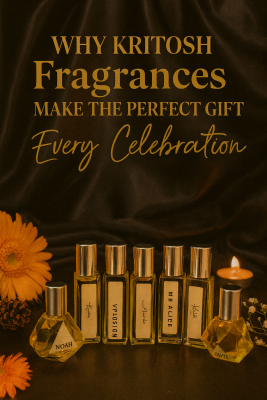
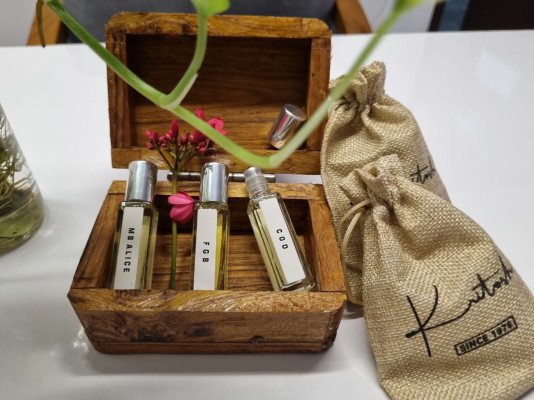
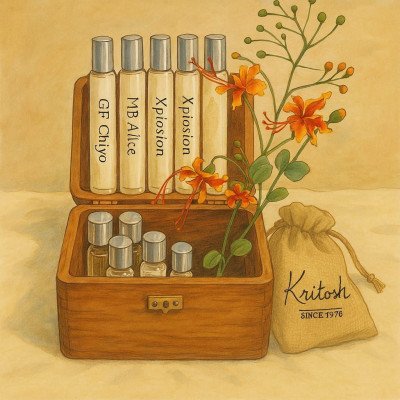
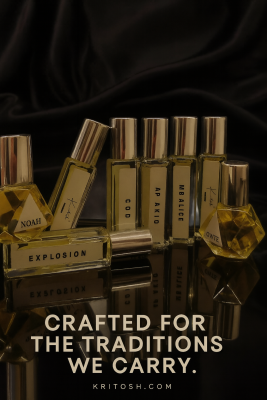
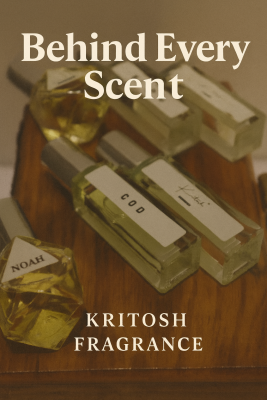
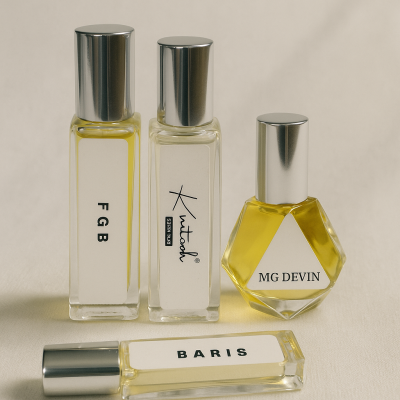
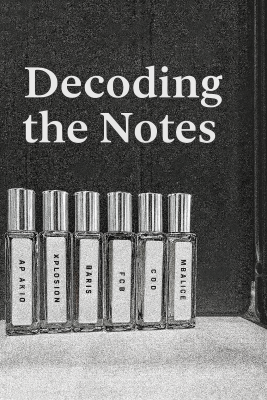
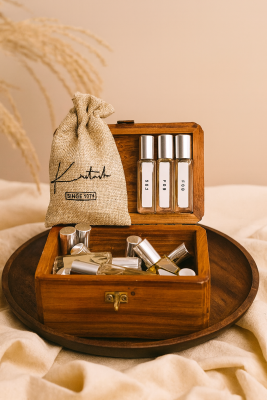
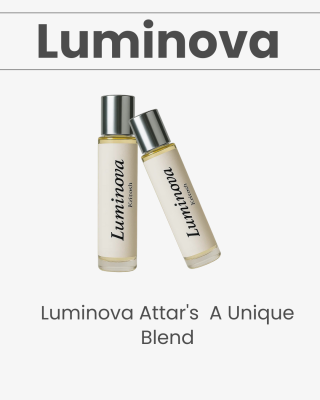
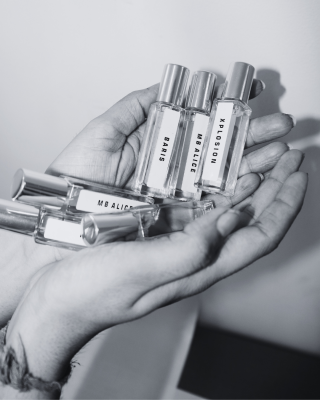
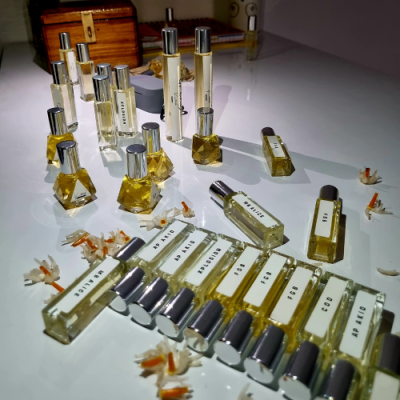
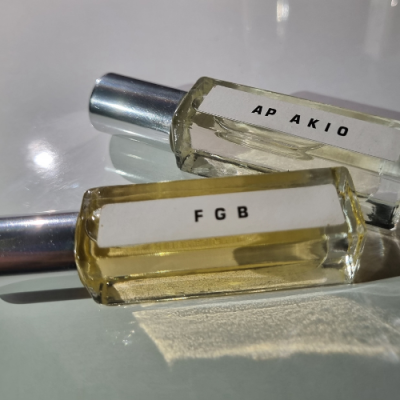
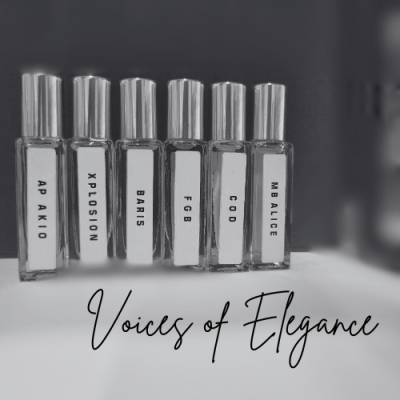
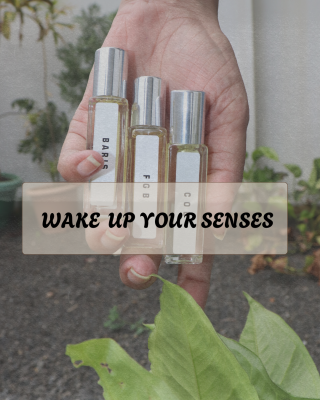
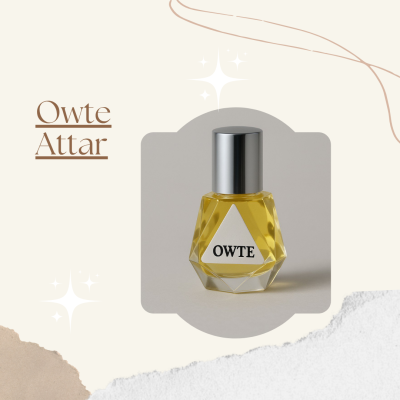
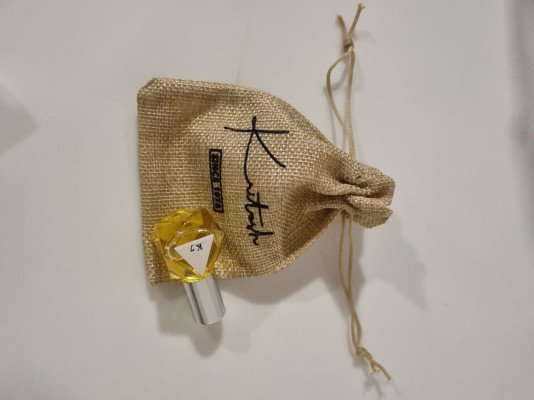
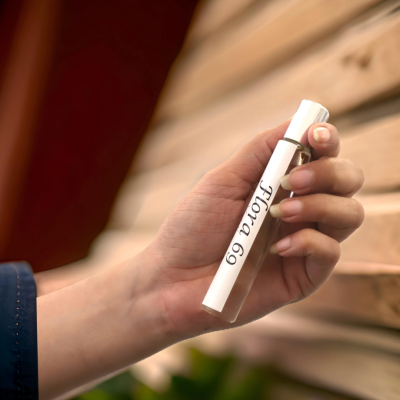
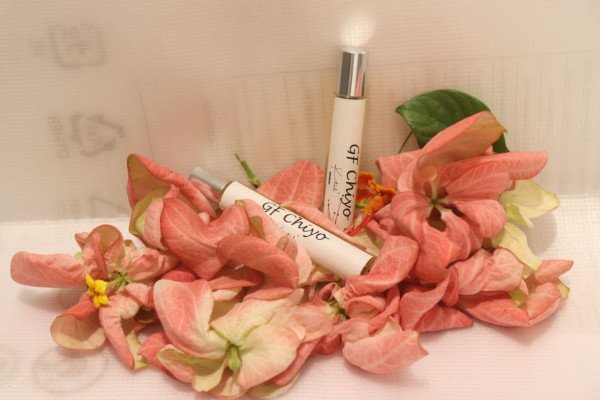
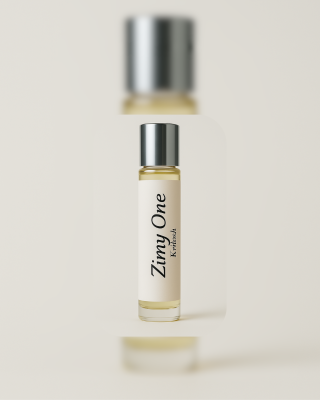
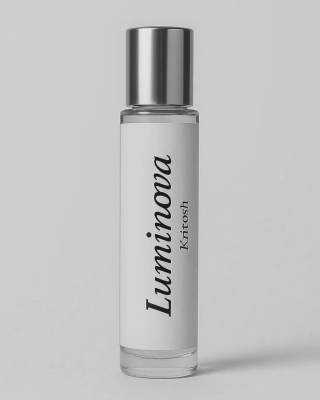
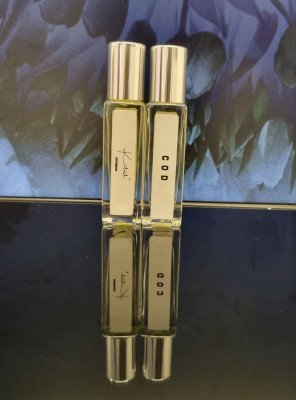
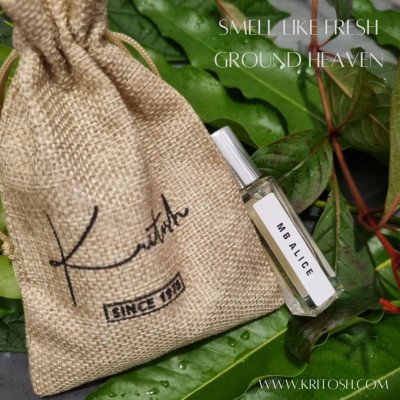
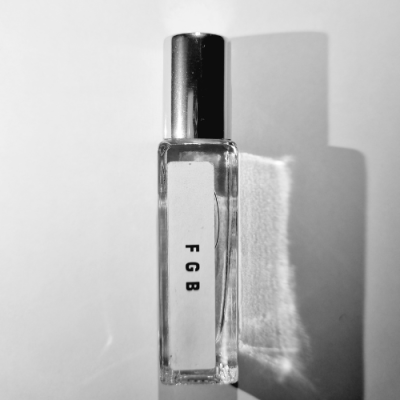
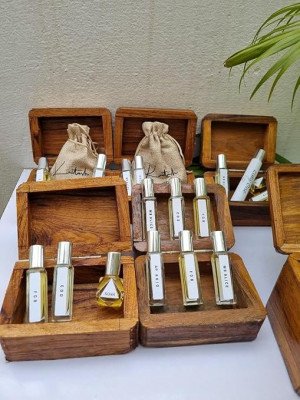
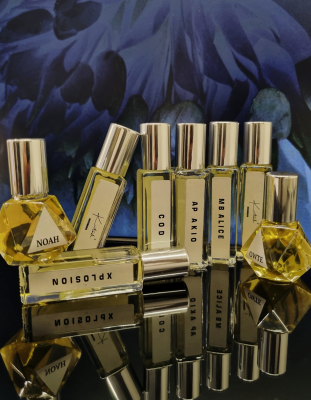
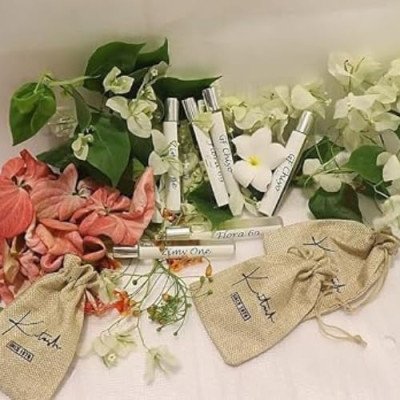
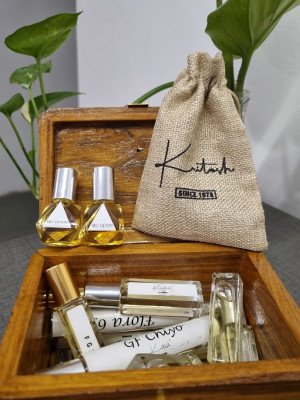
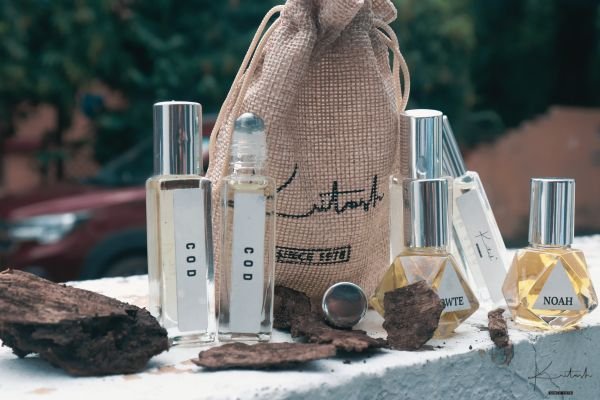
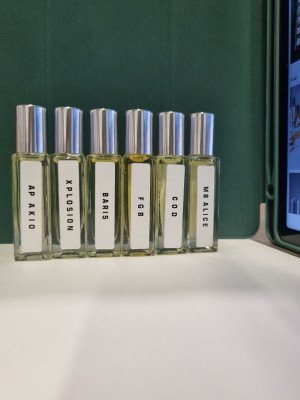
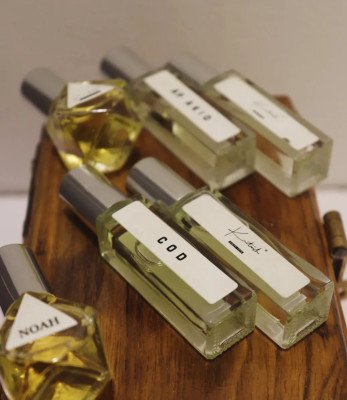
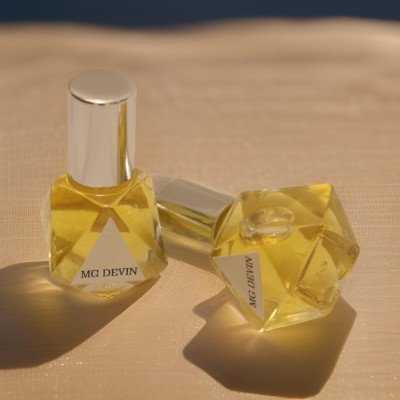
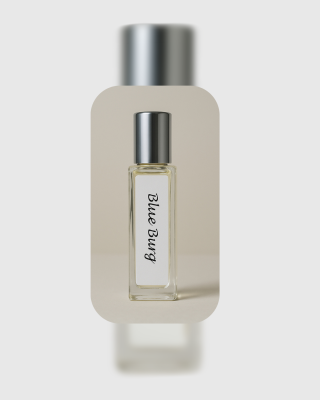
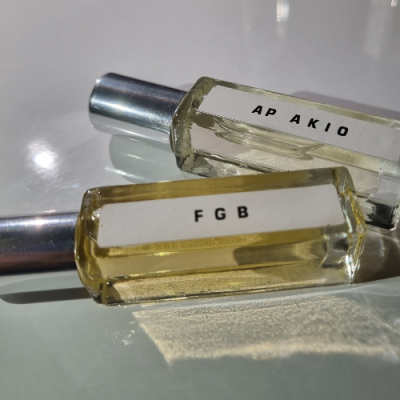
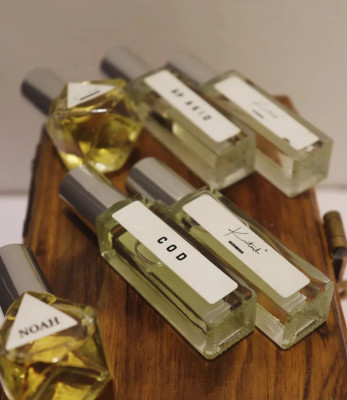
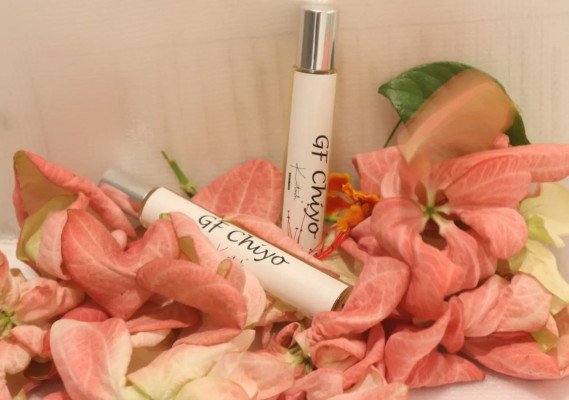
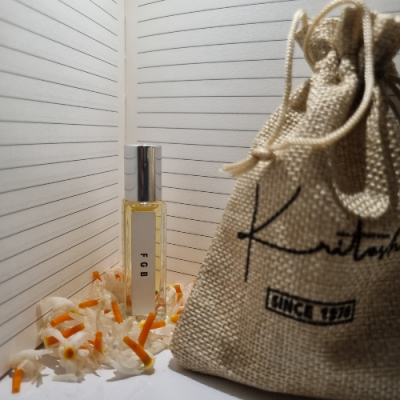
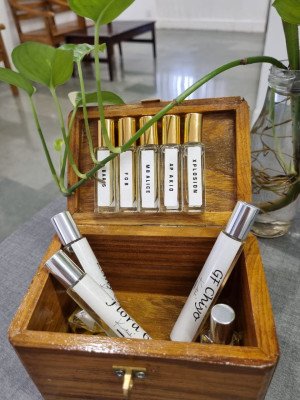
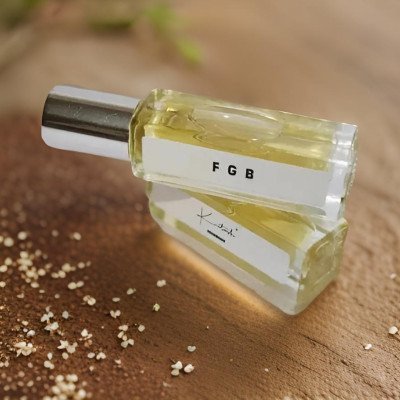
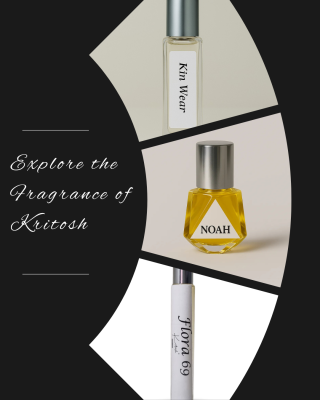
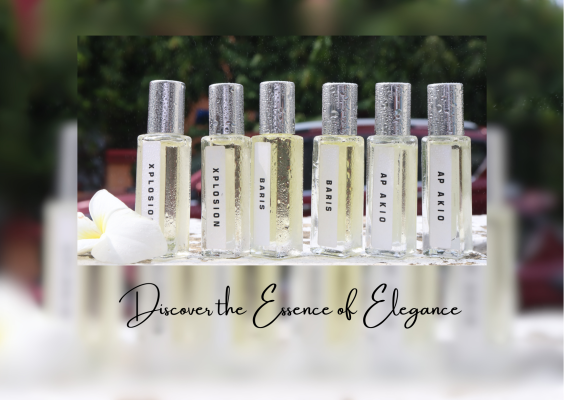
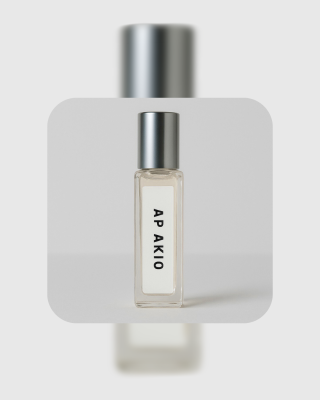
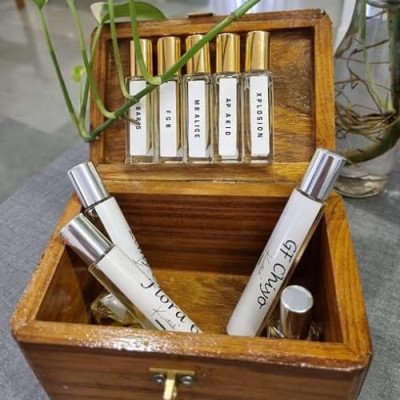
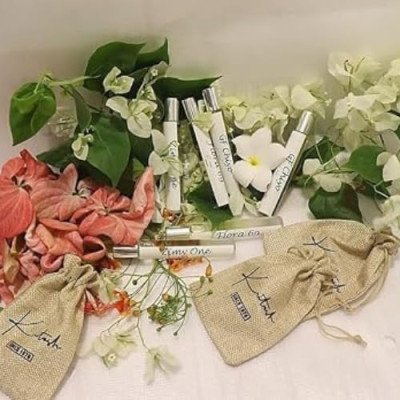
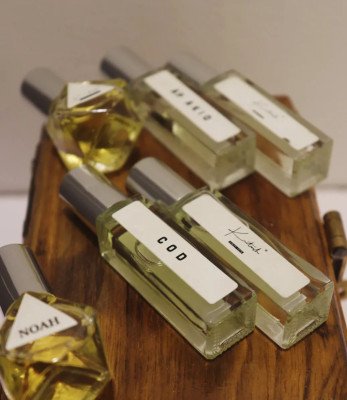
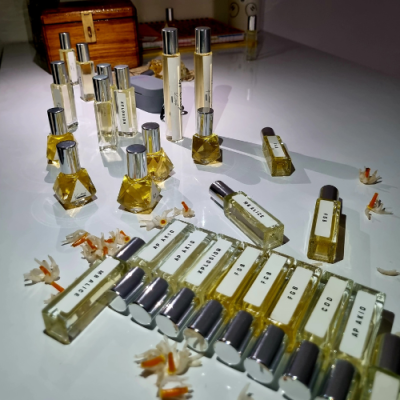
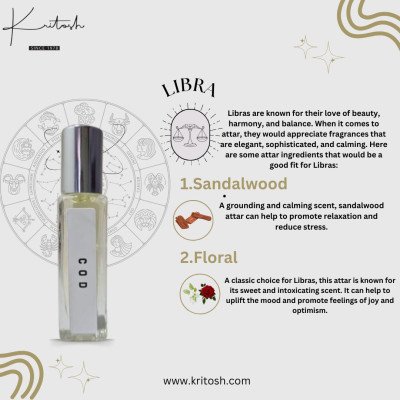
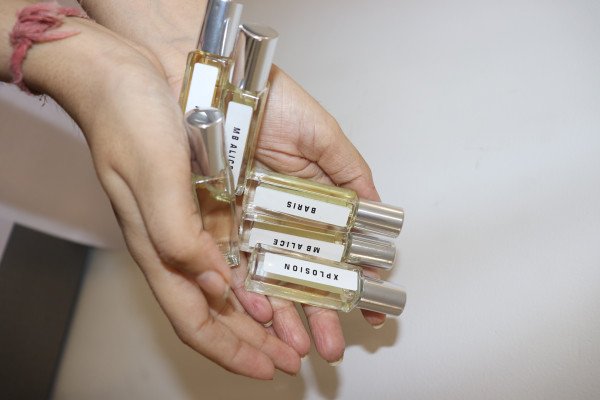
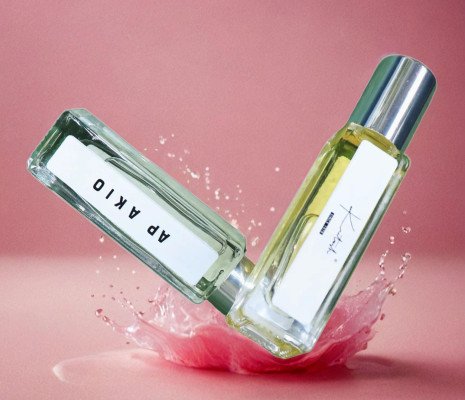
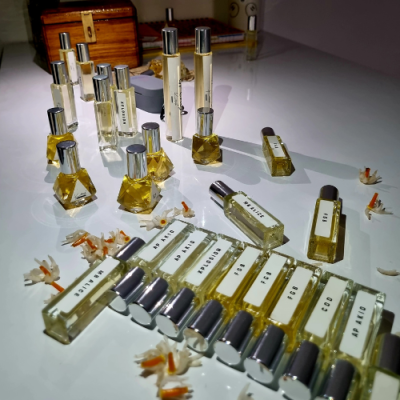
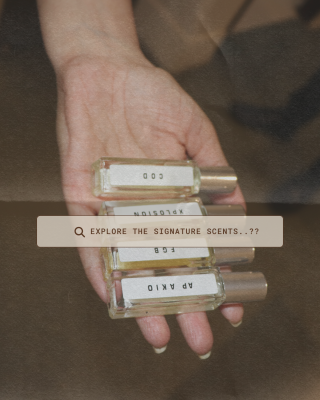
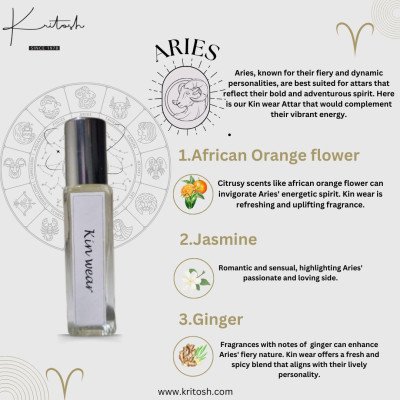
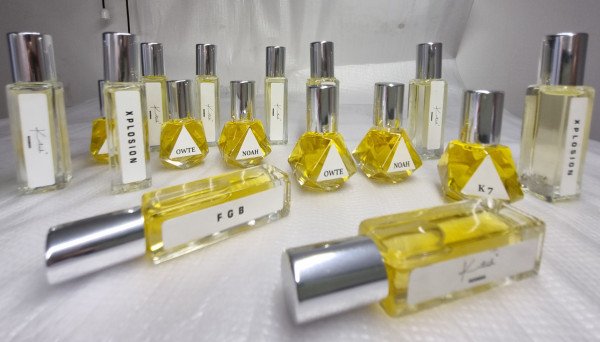
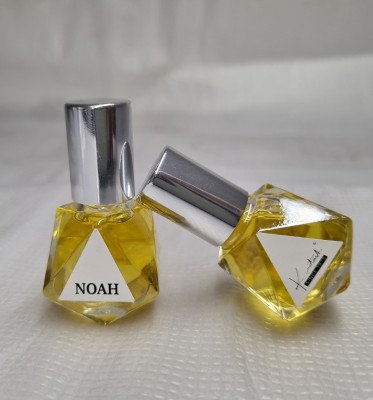
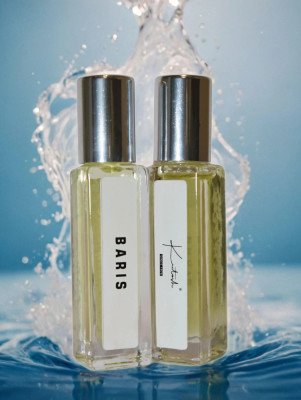
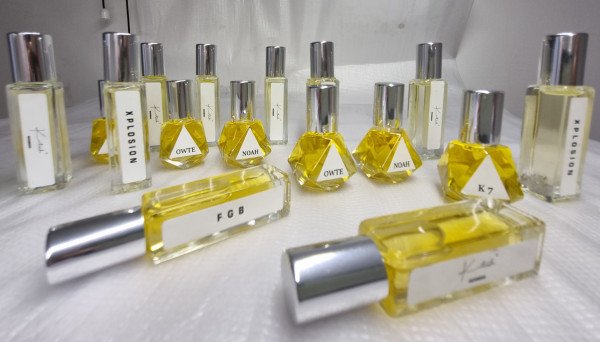
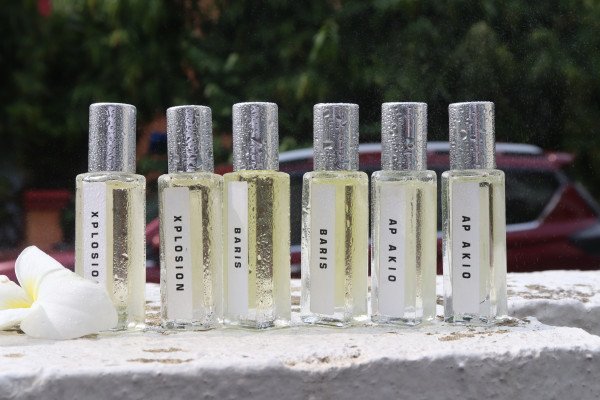
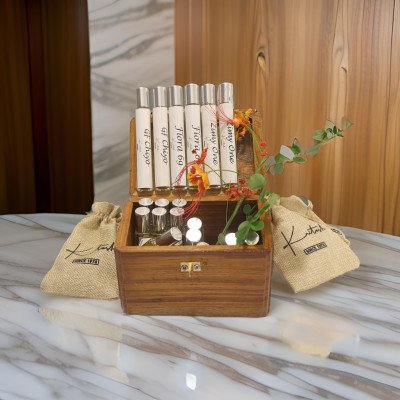
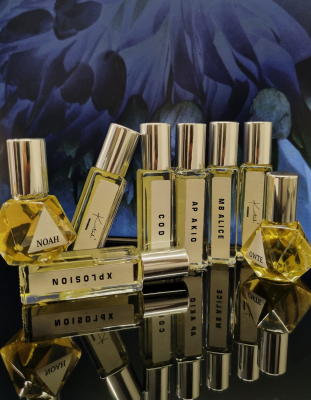
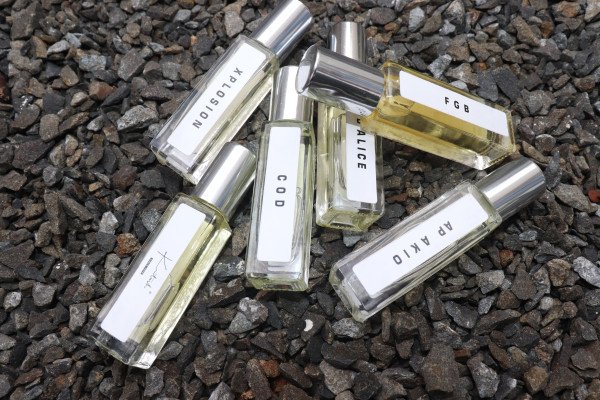
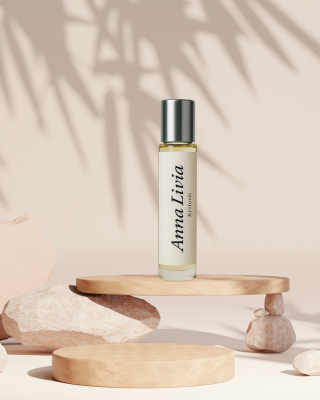
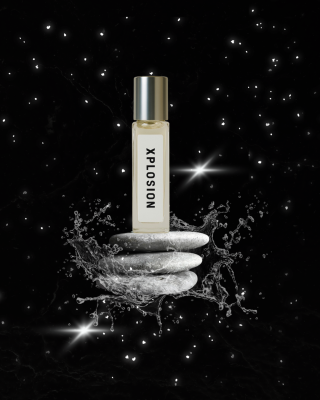
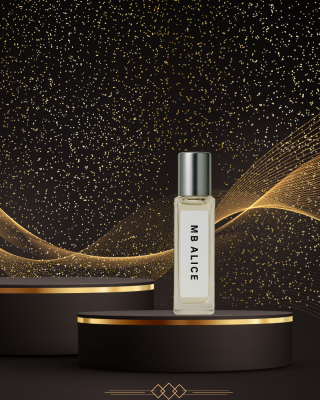
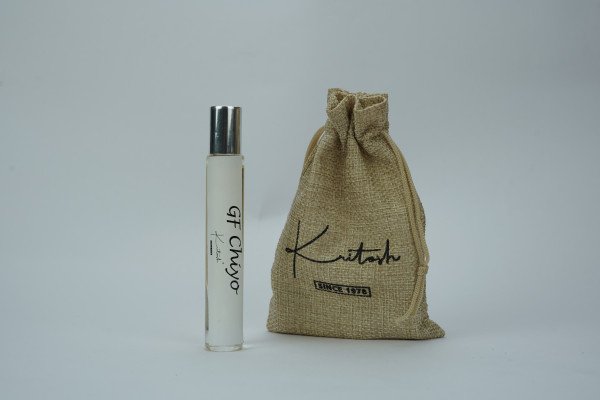
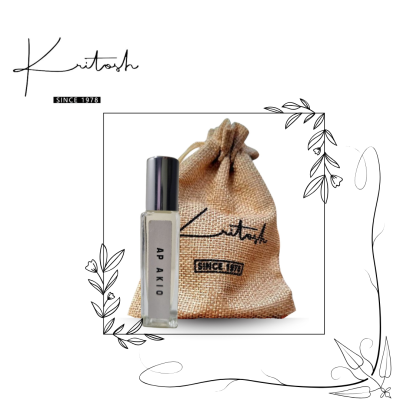
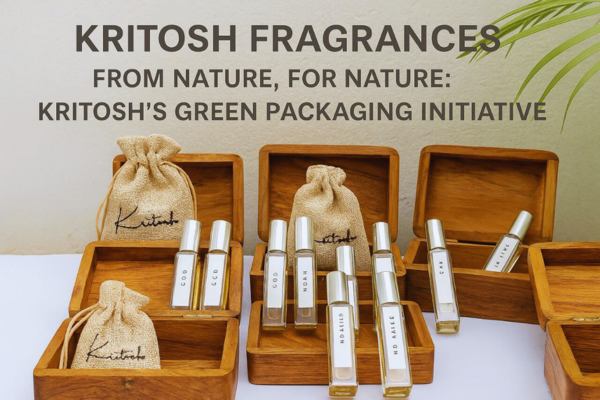
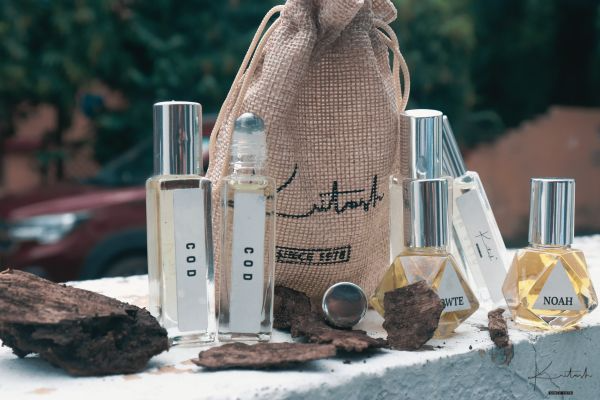
Nothing about the craft has changed. The commitment to oil-based, alcohol-free fragrance is the same as it was at the beginning. What has changed is the format, roll-on bottles for daily convenience, contemporary fragrance profiles across aquatic, woody, floral, and fruity families, and a website at www.kritosh.com that ships to every part of Bhopal and across India.
The glass bottle on Dadi's dressing table is now a roll-on in your bag. The fragrance philosophy is identical.
Where to Start
If you are coming to attar for the first time - or returning to it after years of spray perfumes , the entry point matters.
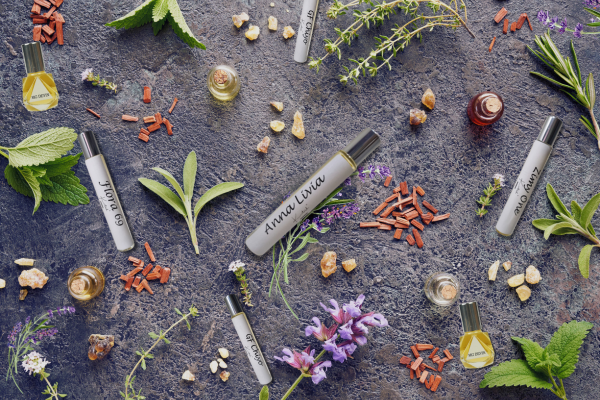
Start with something familiar in character. If you wear fresh fragrances, try an aquatic attar. If you lean toward florals, a light rose or jasmine-forward profile will feel like home immediately. If you prefer something with more depth, a fresh woody attar gives you the character of a sophisticated fragrance without the heaviness of a full oud.
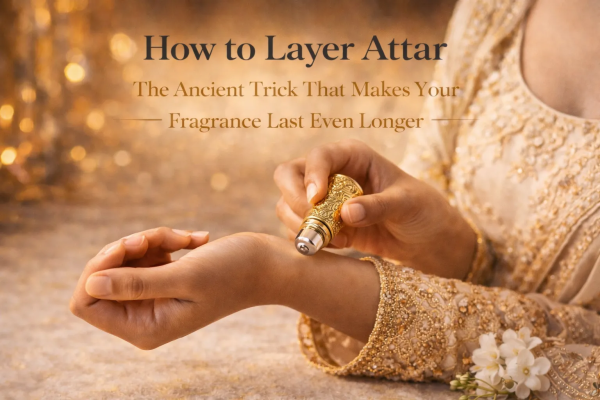
Apply once, give it twenty minutes to settle, and then smell your wrist again. What you smell after twenty minutes is what the attar actually smells like on your skin. That is the version that will be with you for the rest of the day.
The glass bottle is gone. The fragrance is still here. Dadi would not be surprised at all.
Explore the full range at www.kritosh.com — crafted in Bhopal, worn everywhere.