


There is a particular kind of confidence that comes from smelling exactly right. Not aggressively. Not in a way that announces itself before you enter a room. Just exactly right warm, personal, present in the way that makes people lean slightly closer in conversation without being entirely sure why.
Every woman has experienced this feeling at least once, usually while wearing something that was not purchased from a mall counter. A fragrance borrowed from a mother or aunt. Something found in a grandmother's dresser drawer. A scent so personal it seemed impossible to replicate.
That quality, personal, warm, long-lasting, entirely yours, is what attar does. And it is what spray perfume, for all its sleek packaging and celebrity endorsements, consistently fails to deliver.
This guide is for Indian women who want to understand attar properly , what it is, which profiles suit which personalities and occasions, how to wear it correctly, and why it is the most underused fragrance format available to women in India today.
The Perception Problem: Why Women Took Longer to Come Back to Attar
The image problem attar has faced for the past few decades is partly gender-specific. The popular imagination of attar an older gentleman applying oil from a tiny glass bottle before Friday prayers is a specifically male image. The marketing of spray perfumes, which targeted Indian women aggressively from the 1990s onwards, reinforced the idea that modern, sophisticated feminine fragrance came in a glass bottle with a pump, not a roll-on with a heritage.
This was effective marketing built on a false premise. The truth is that some of the oldest, most sophisticated, and most genuinely feminine fragrance traditions in India are attar traditions. Rose attar, jasmine attar, mogra, kewra, tuberose, these are not masculine fragrances with feminine names. They are the fragrance heritage of Indian women across centuries, present at every meaningful occasion in a woman's life from her wedding day to her daily ritual.
The women now rediscovering attar are not going backwards. They are reclaiming something that was always theirs and doing so with the practical understanding that oil-based fragrance performs significantly better on Indian skin, in Indian heat, across Indian occasions, than anything in a spray bottle.
Why Attar Is Particularly Suited to Women
Beyond the general advantages of oil-based fragrance longevity, skin-friendliness, and the absence of alcohol, there are specific reasons why attar suits women's fragrance needs particularly well.
The intimacy of application. Attar is a personal fragrance lose to the skin, detectable by people near you rather than projecting across a room. For women navigating professional environments, public spaces, and social occasions where a heavy fragrance would be intrusive rather than inviting, this intimacy is exactly right. An attar applied to the wrists and behind the ears speaks to the person you are talking to, not the entire office floor.
The skin chemistry advantage. Women's skin tends to run slightly cooler on average than men's, which affects how fragrance develops. Attar, being oil-based, interacts with skin temperature rather than evaporating over it , and the specific skin chemistry of each woman becomes part of the fragrance experience. The same attar smells slightly different on every woman who wears it. This is not an inconsistency. It is the closest thing to a truly personal fragrance that exists.
The length of occasions. Weddings, festivals, family gatherings, and formal events are the occasions in Indian women's lives that call for fragrance and frequently run for many hours. A spray perfume that fades within two hours in Indian conditions is functionally useless for a wedding that begins at four in the afternoon and ends after midnight. A quality attar applied once in the morning is present throughout the day.
The skin safety factor. Many Indian women have sensitive skin that reacts to alcohol, dryness, irritation, and contact dermatitis. Attar contains no alcohol. Applied to moisturised skin, it nourishes as it fragrances rather than stripping the skin's natural moisture barrier.
The Fragrance Families for Women: What Suits What
Floral Attars
Floral is the most intuitive starting point for women new to attar, and for good reason, the floral family covers a vast and nuanced range of feminine fragrance that no other category matches.
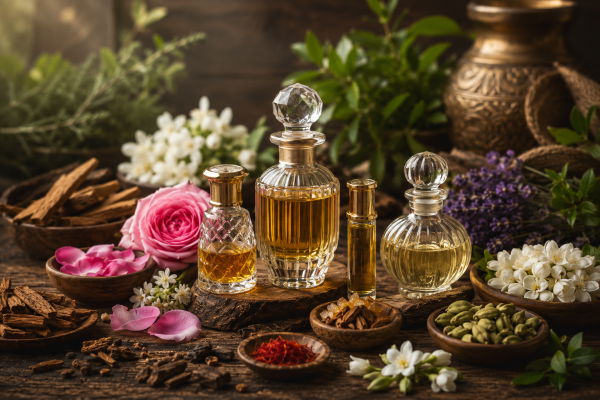
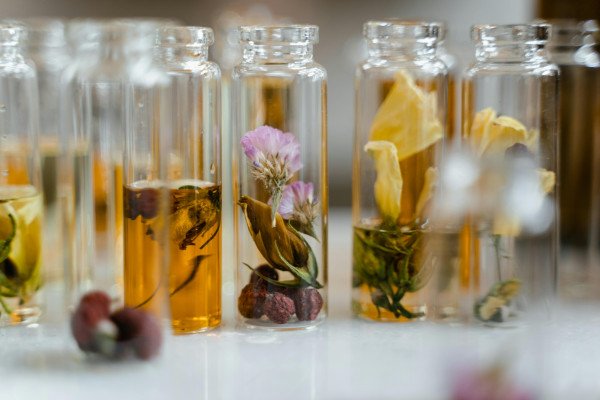
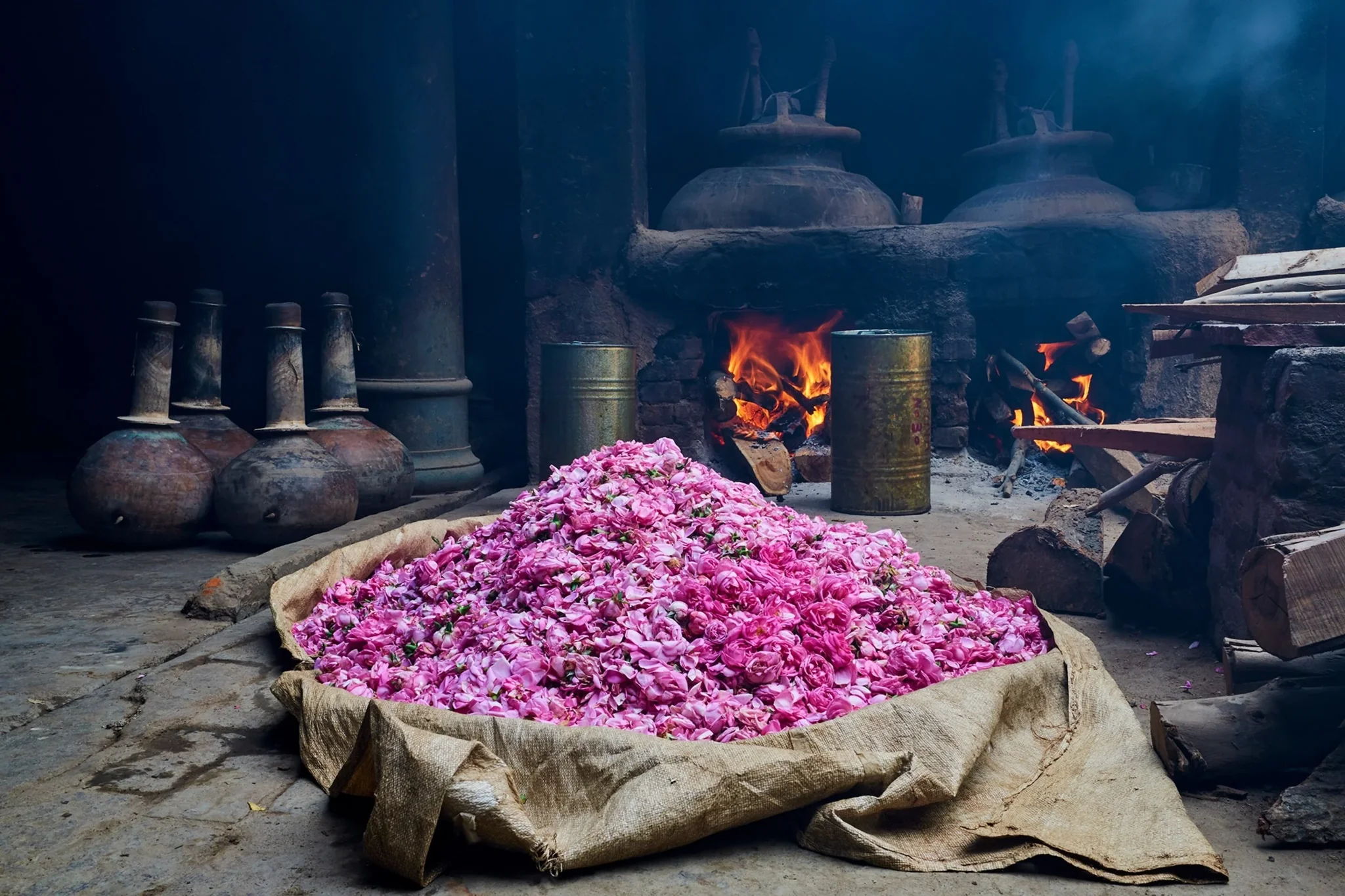
Rose attar is the essential reference. Genuine rose attar distilled from rose petals traditionally smells nothing like the synthetic rose in most commercial women's perfumes. It is warmer, more complex, slightly green in the top notes, and deeply rich in the heart and base. On Indian skin, in Indian warmth, it develops into something that feels entirely personal and entirely right. It is the fragrance equivalent of something you would have designed for yourself if you had the knowledge and the time.
Jasmine attar, ogra, or chameli — is the night fragrance of the Indian tradition. Heady, sweet, slightly narcotic in the way that actual jasmine is on a humid evening. Worn lightly during the day and more generously in the evening, jasmine attar is one of the most complimented fragrances a woman in India can wear. It requires a light touch. Jasmine is powerful, and the oil format makes it more potent, but when correctly applied, it is extraordinary.
Tuberose, kewra, and champaka attars are for women who want something more unusual within the floral family. Tuberose is creamy, rich, and sensual. Kewra, from the flower of the screwpine tree , is uniquely Indian, slightly rosy but with a distinctive character that has no Western equivalent. These are signature fragrances for women who want to be immediately distinctive.
Fruity Attars
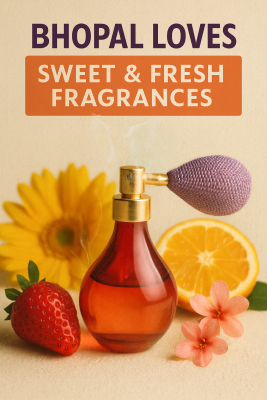
The fruity fragrance family is the most contemporary of the attar categories and the entry point that works best for women who have been wearing modern Western-style spray perfumes. These profiles incorporate sweet, fresh, slightly tart characters, peach, berry, apple, and citrus, in an oil format that makes them last far longer than their spray equivalents.
Fruity attars are the daily-wear option for younger women in Bhopal, across MP Nagar, Arera Colony, and the newer residential areas of Hoshangabad Road and Kolar Road, who want something light, modern, and appropriate for the office without sacrificing the longevity that spray perfumes cannot provide in Indian heat.
They are also excellent transition fragrances for women new to attar who are uncertain about jumping straight to traditional florals. The fruity family is immediately familiar, the character is contemporary, and the difference from spray perfumes is only in format and longevity, which makes it the most accessible gateway into the broader attar world.
Oriental and Warm Attars
Oriental attars built around amber, musk, warm spices, and sometimes oud , are the evening and occasion fragrances for women. They are richer, more complex, and designed for situations where intimacy is the context: candlelit dinners, evening events, the winter months when warmth in a fragrance is the right answer to warmth in a room.
These are not everyday fragrances for most women, but they are the most memorable ones. A woman who wears a well-chosen w, arm oriental attar to a wedding or a festival evening is the woman whose fragrance people remember and ask about. These profiles are built for exactly that impact, gentle enough to be intimate, complex enough to be unforgettable.
In Bhopal's winter months, November through February, oriental and warm attar profiles bloom perfectly. The cooler ambient temperature allows the richer notes to develop slowly and deeply rather than amplifying too quickly.
Fresh and Aquatic Attars
Fresh and aquatic profiles for women are the most versatile of the categories appropriate for the office, for casual occasions, and for Bhopal's summer months when anything heavier becomes difficult to wear.
These profiles read as clean and contemporary, similar in character to the most popular women's spray perfumes in the fresh-floral and aquatic categories, but in an oil format that lasts the full day. For women who have been wearing fresh spray perfumes and switching to attar, this is the most seamless transition.
They are also the fragrances that work most universally across seasons and contexts. A clean, fresh attar with a light floral note suits summer morning routines, office environments, and casual weekend plans with equal effectiveness.
How Women Should Apply Attar: The Specific Guidance
The general attar application principles apply, but there are some considerations specific to women's wear.
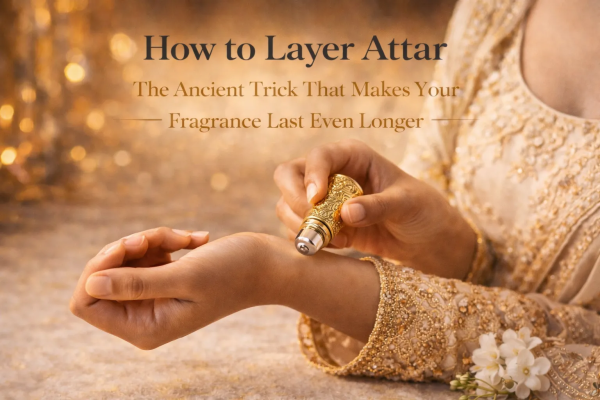
Hair application is one of the most effective and underused methods for women. The natural oils in hair hold attar beautifully, and as hair moves throughout the day, the fragrance diffuses gently. Apply a tiny amount to a brush or comb and run it through the ends of dry hair, not the roots, where oiliness is a concern. The result is a hair fragrance that lasts and moves with you.
For women who wear sarees or dupattas with delicate fabrics, avoid applying attar directly to the oil can mark silk and georgette. Apply to skin only and allow diffusion to carry the fragrance.
Behind the knees is a more relevant pulse point for women who wear skirts, lehengas, or sarees. As you move, the fragrance rises through the day in a way that is particularly elegant at evening events.
For Bhopal's summer months, a light application of unscented moisturiser before attar prevents the fragrance from absorbing too quickly into dry skin and extends wear time through the heat.
By Occasion: Quick Guide for Women
Daily office wear in MP Nagar or Hoshangabad Road: Fresh aquatic or light fruity. Clean, moderate, professional.
Casual weekend in Arera Colony or New Market: Fruity or light floral. Something with personality that is not constrained by office norms.
Evening social in Shahpura or DB City area: Oriental or rich floral. More presence, more complexity, appropriate for closer social settings.
Wedding as a guest: Medium to rich floral. Rose or jasmine-forward, applied with moderate generosity.
Wedding as bride: Rich floral with a warm base rose or tuberose with a sandalwood or musk foundation. Applied to wrists, behind the ears, hollow of the throat, and hair. Reapply lightly before the evening reception if desired.
Eid morning: Whatever attar carries personal meaning. Rose and mogra are traditional. Something your mother or grandmother wore is always right.
Bhopal summer: Fresh aquatic, applied lightly. Nothing with heavy base notes until the evenings.
The Women's Range at Kritosh Fragrances
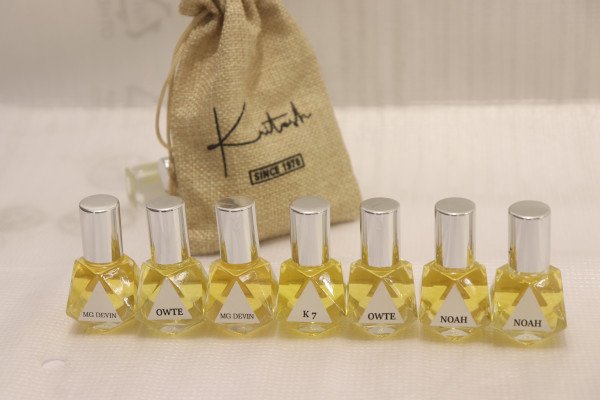
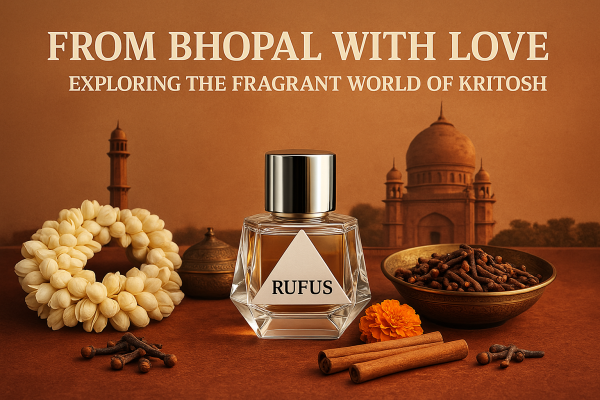
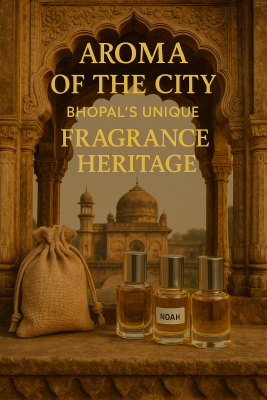
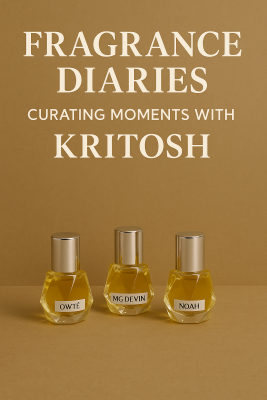
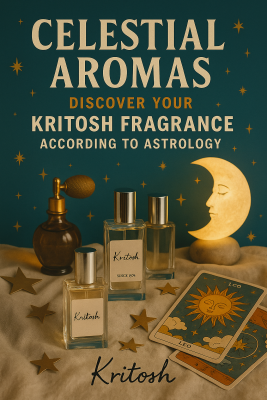
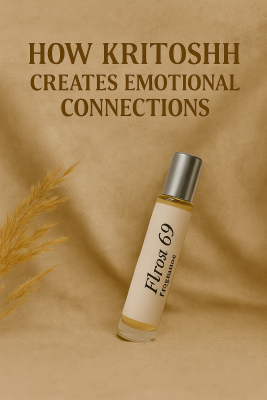
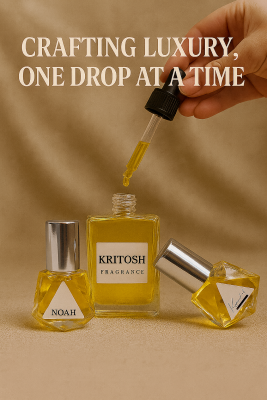
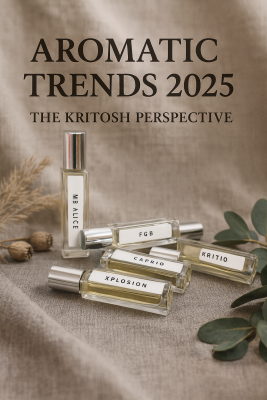
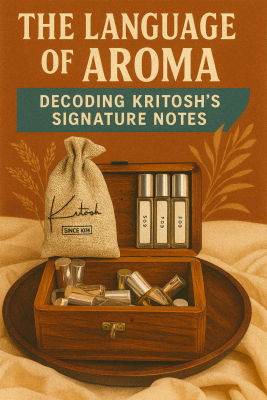
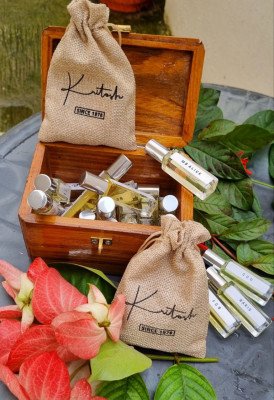
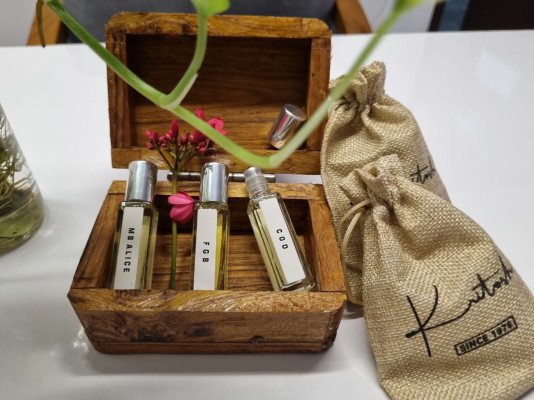
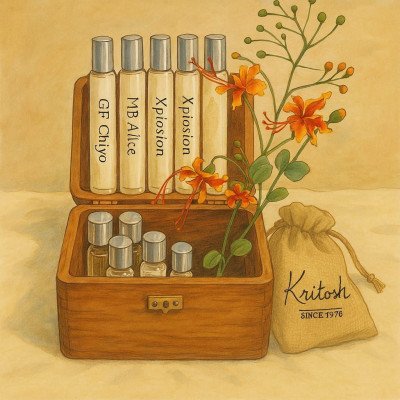
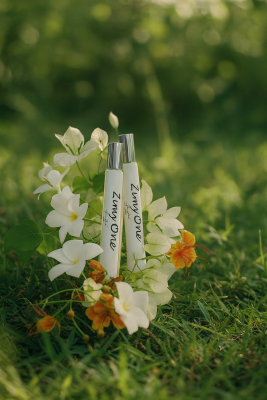
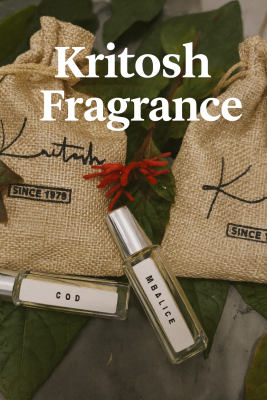
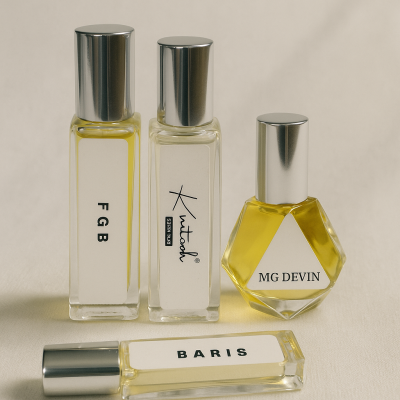
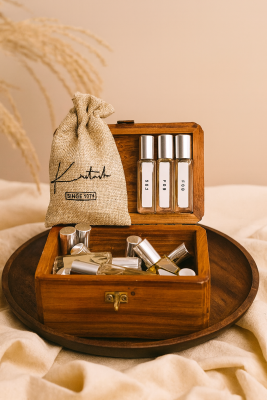
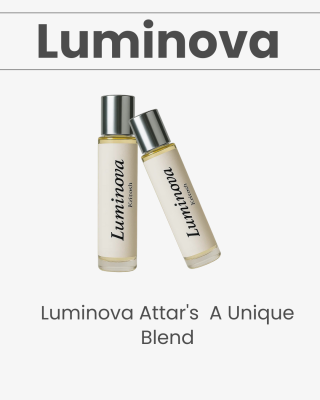
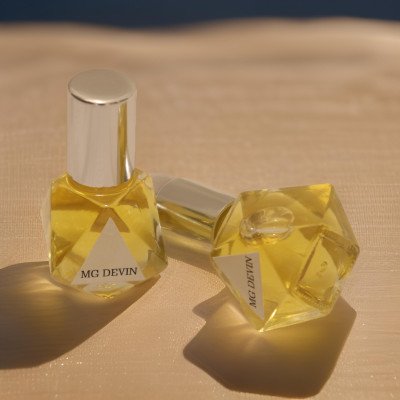
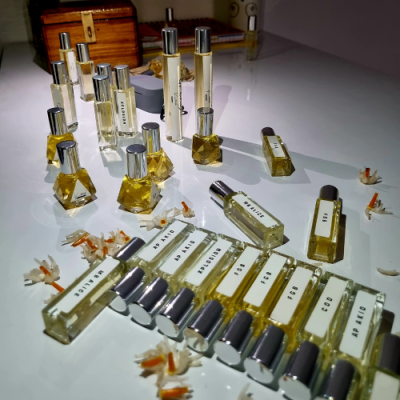
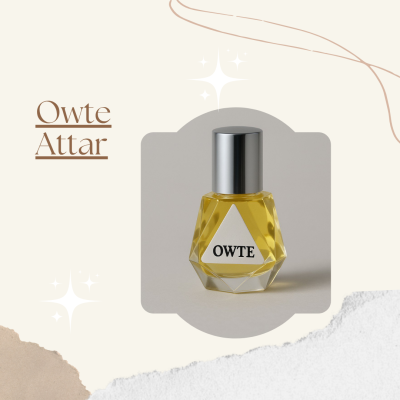
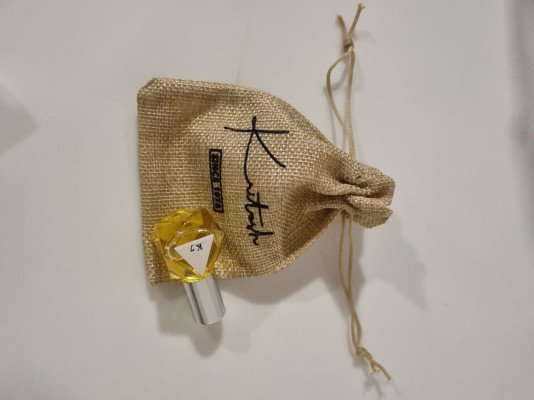
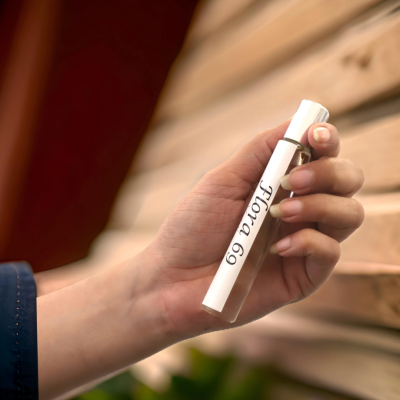
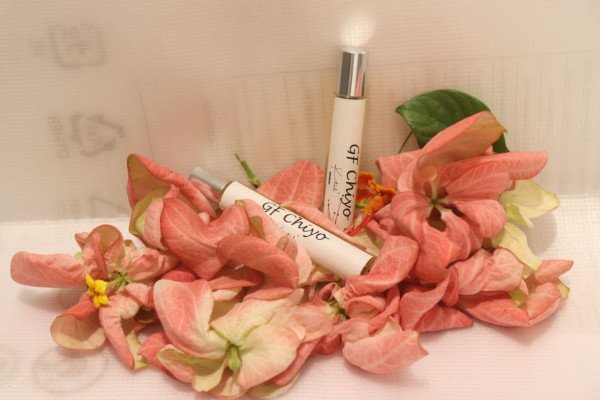
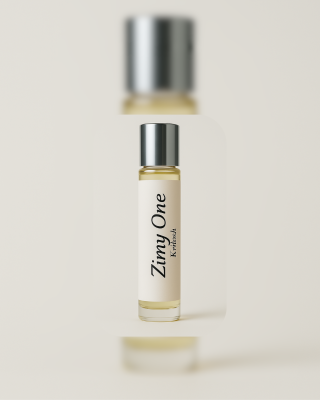
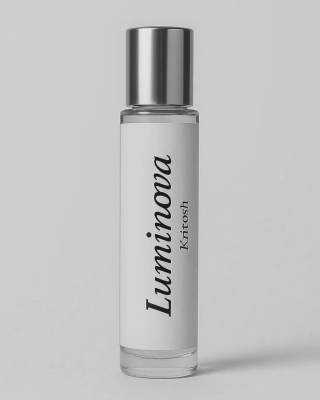
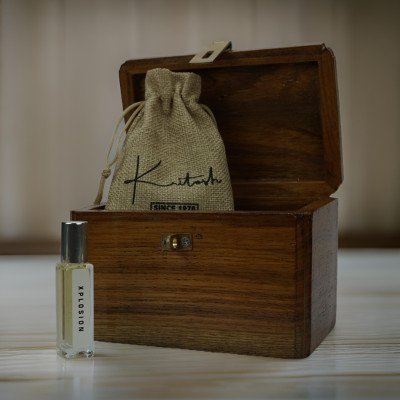
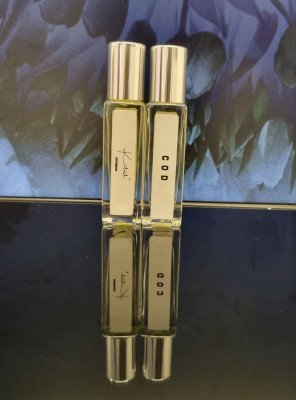
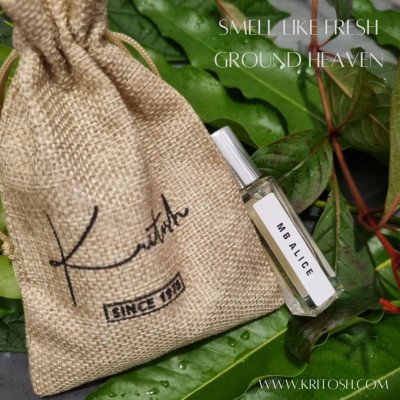
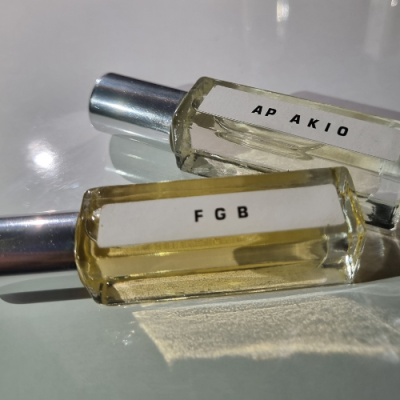
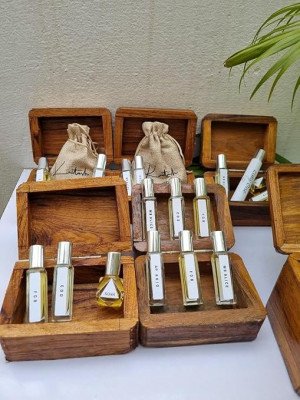
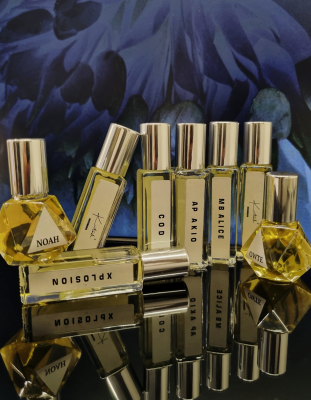
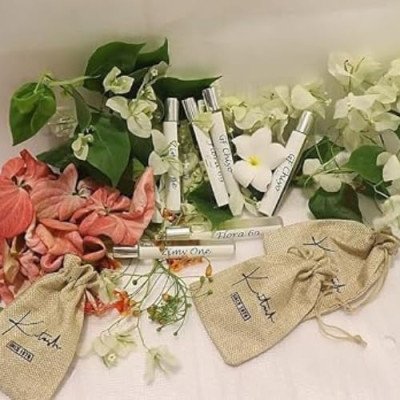
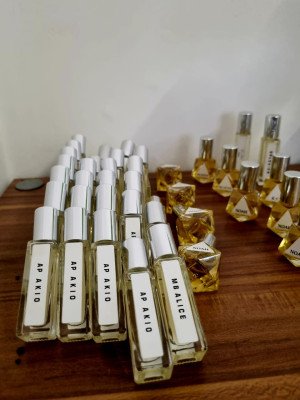
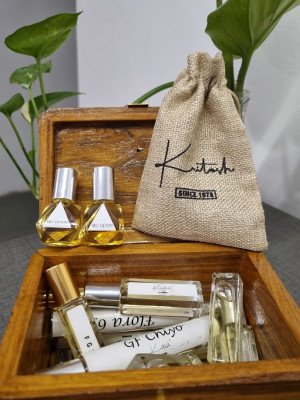
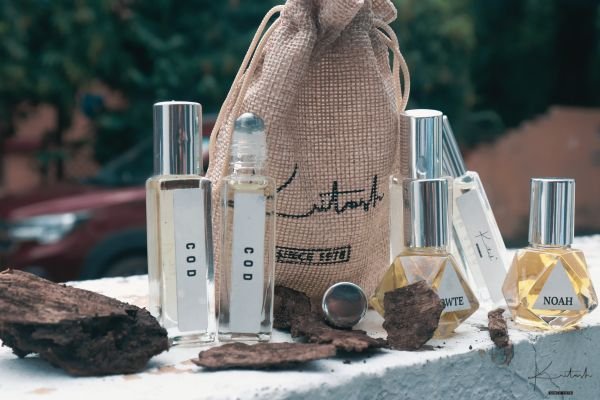
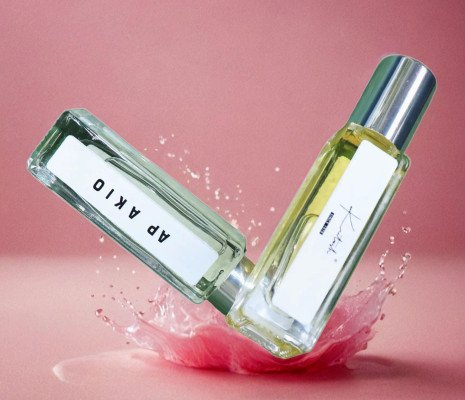
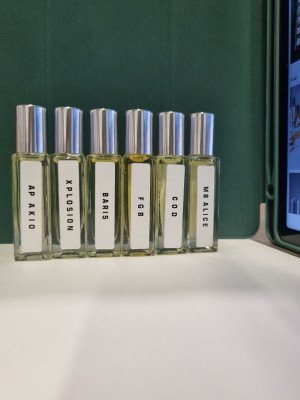
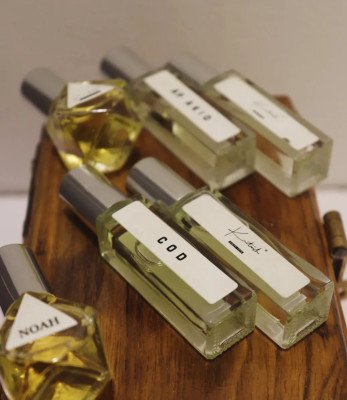
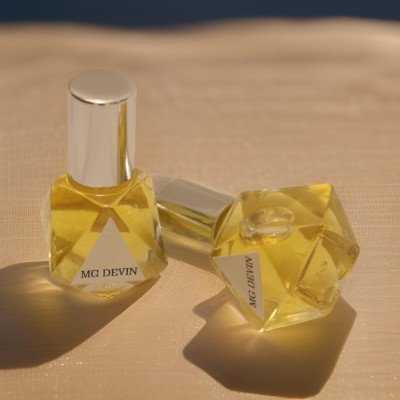
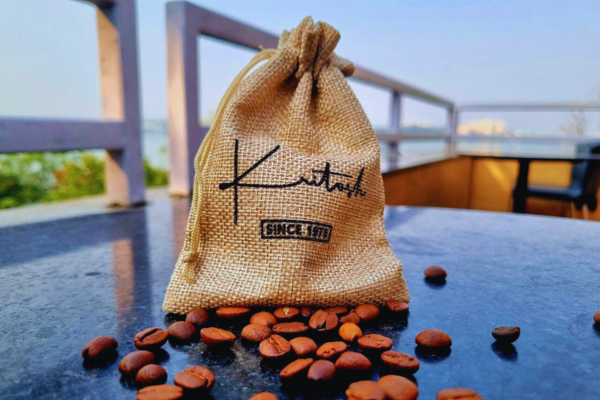
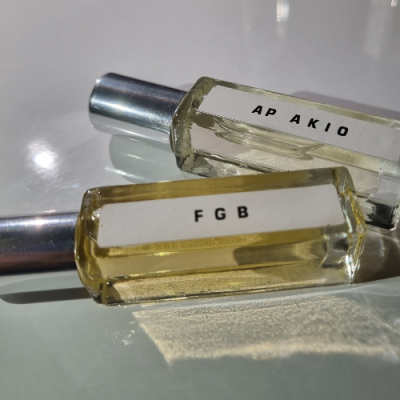
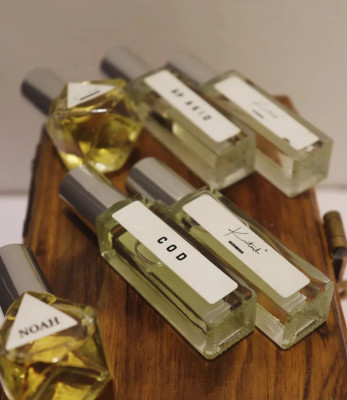
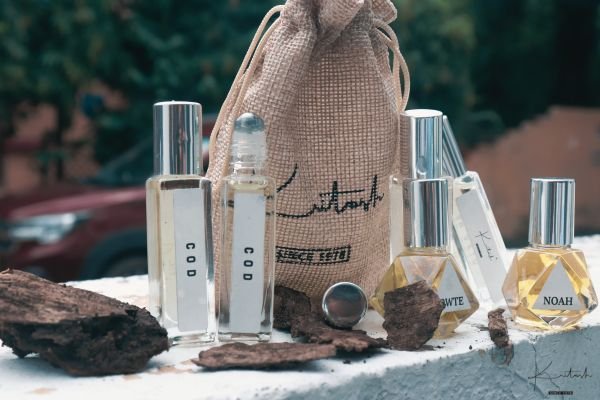
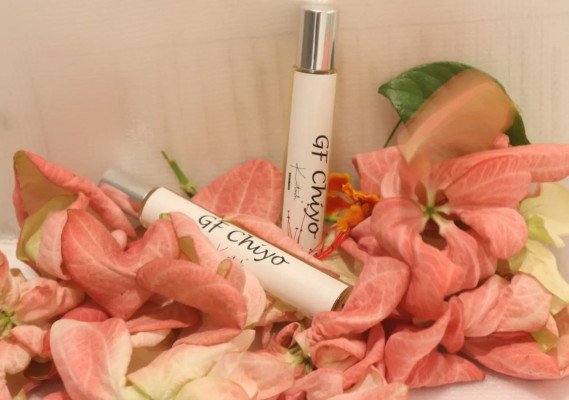
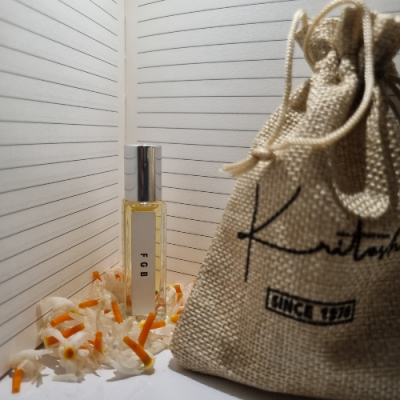
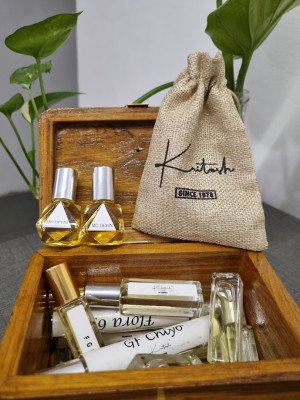
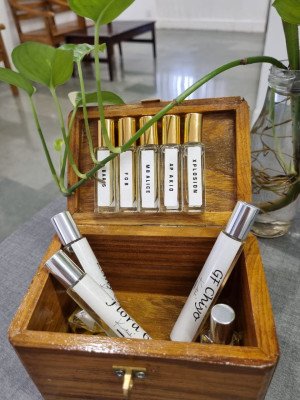
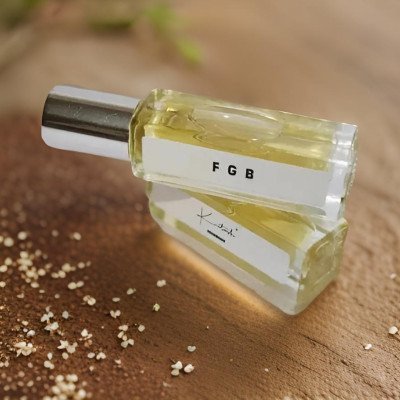
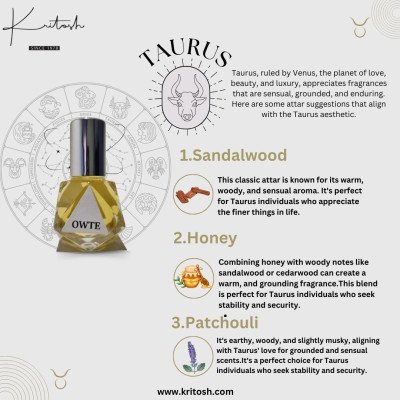
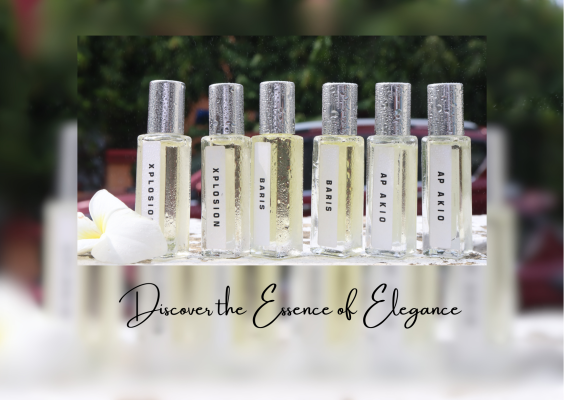
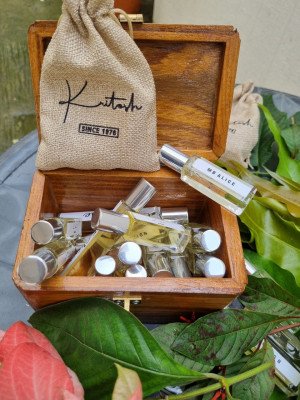
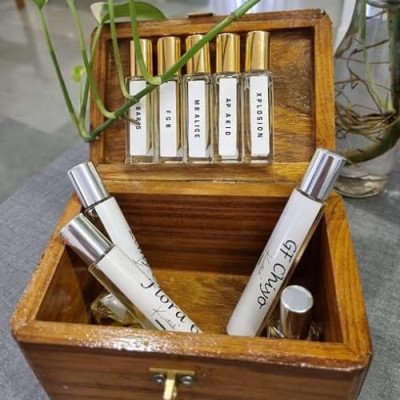
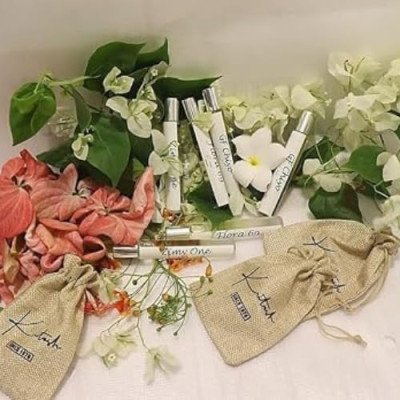
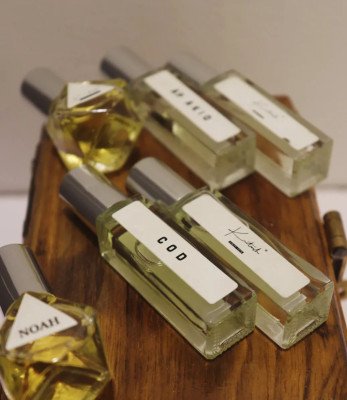
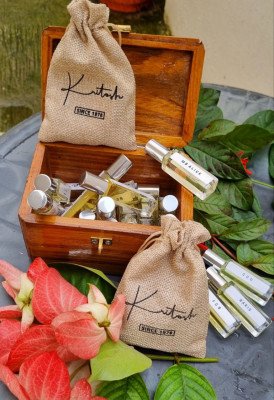
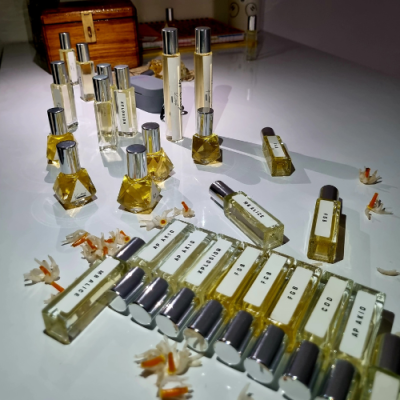
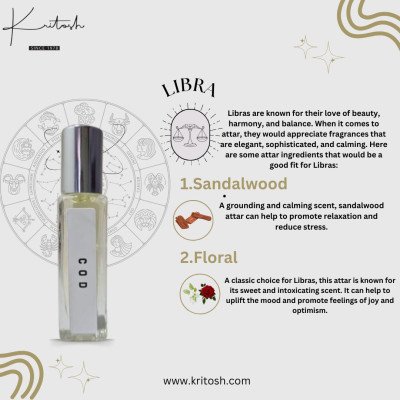
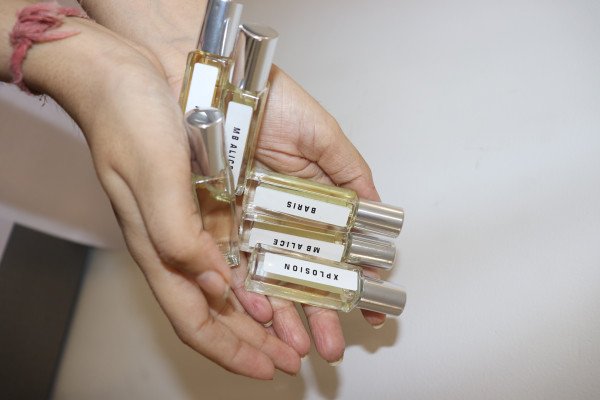
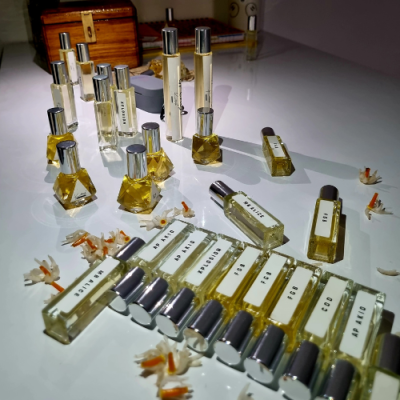
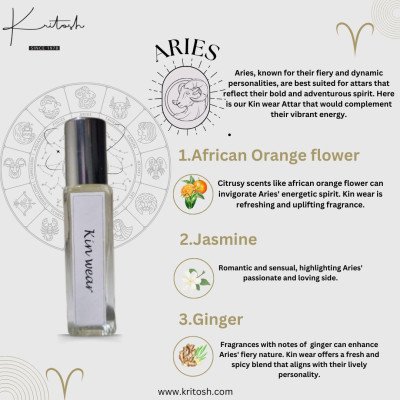
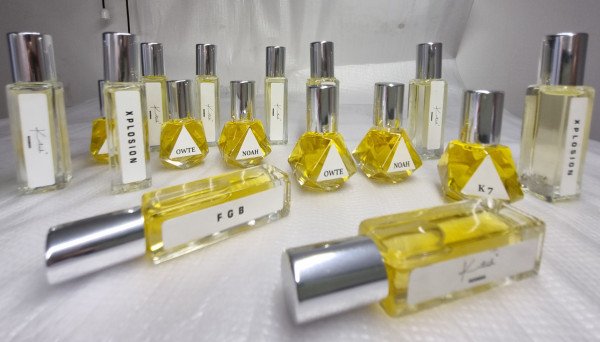
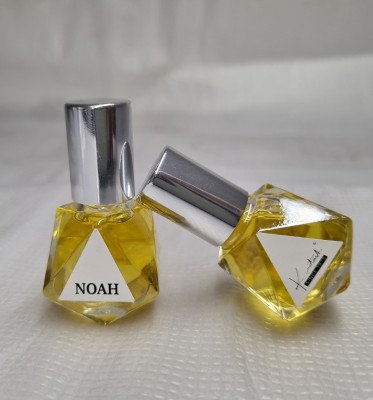
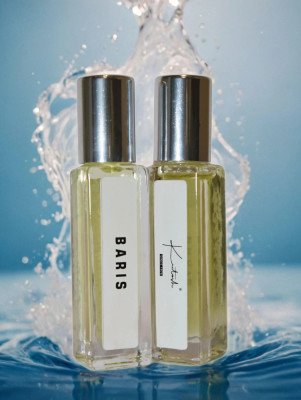
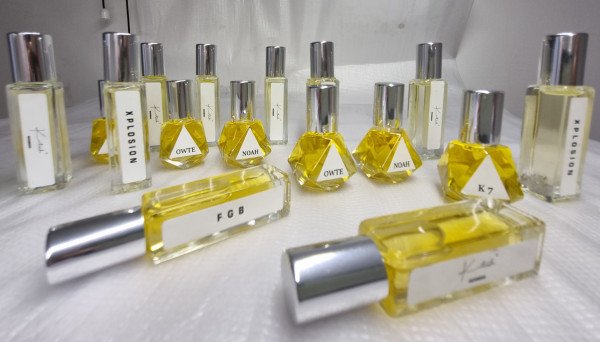
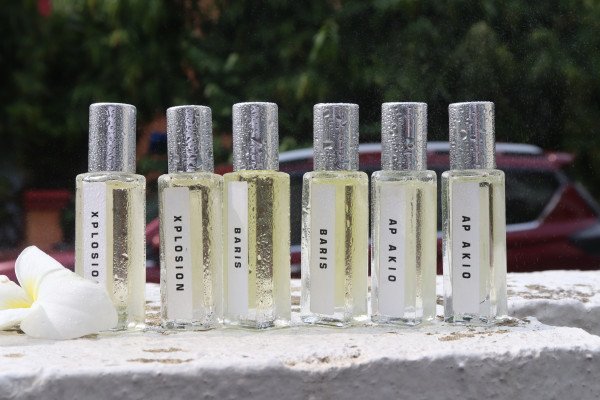
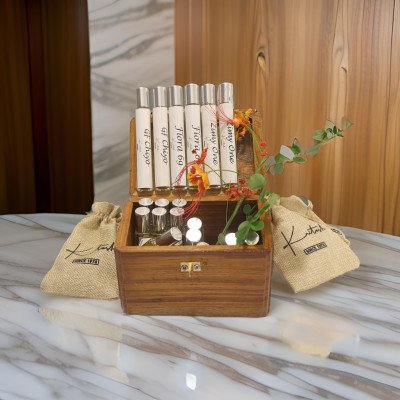
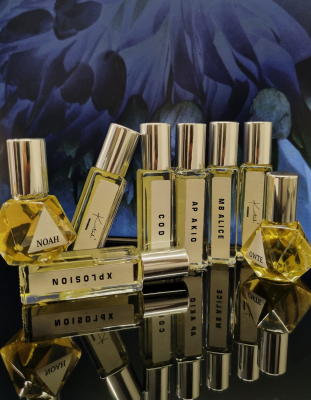
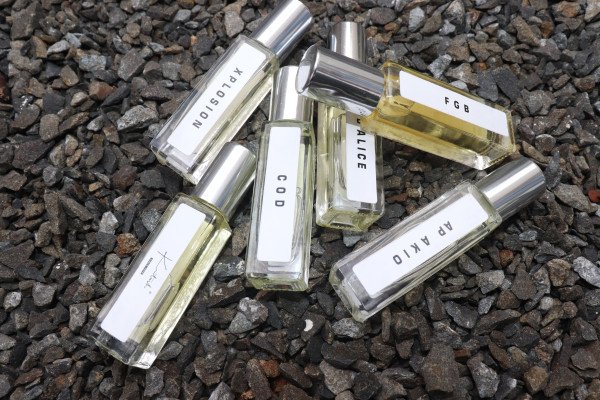
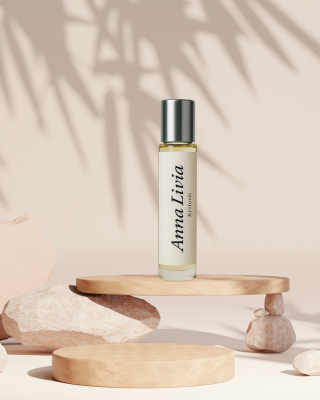
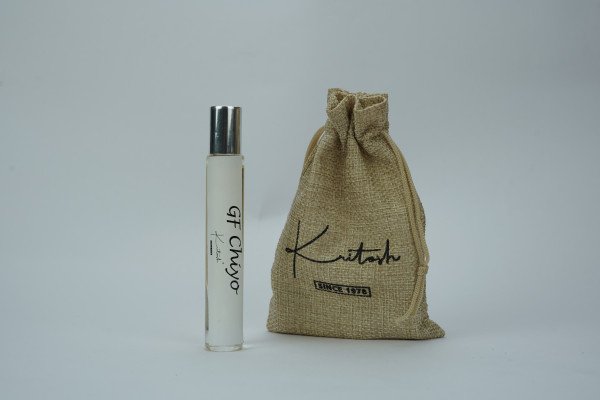
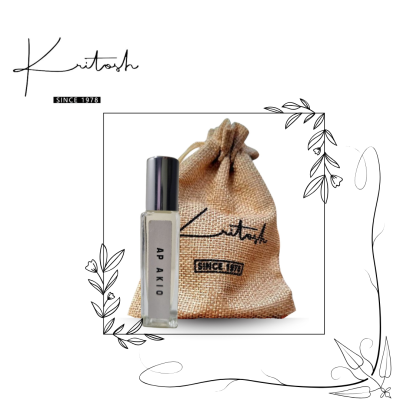
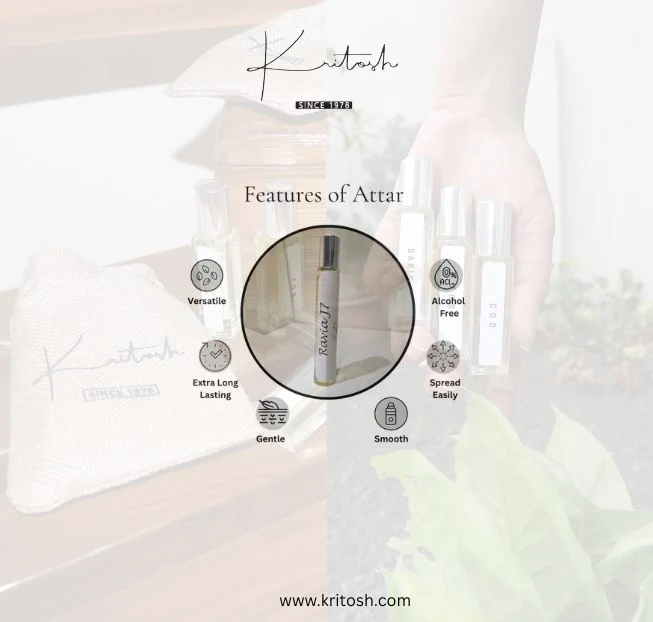
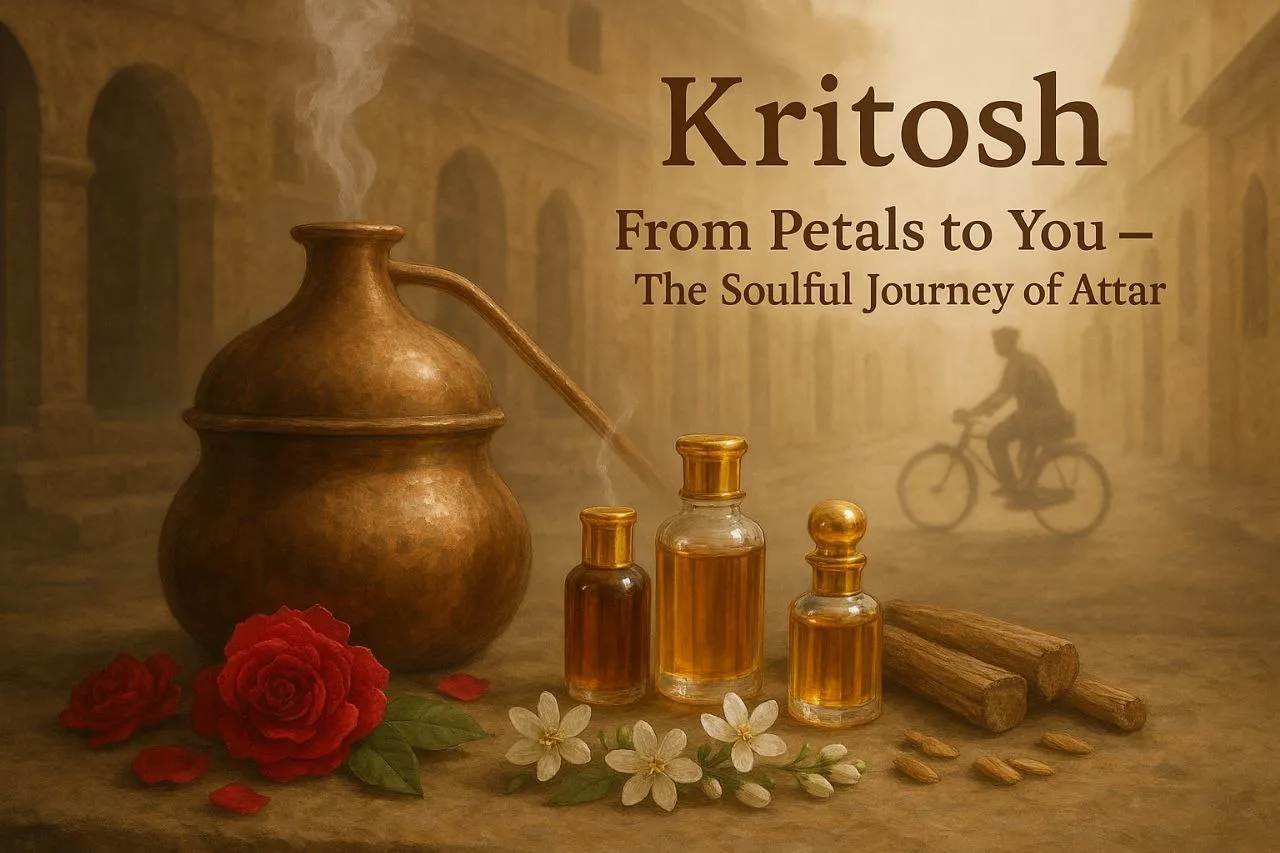
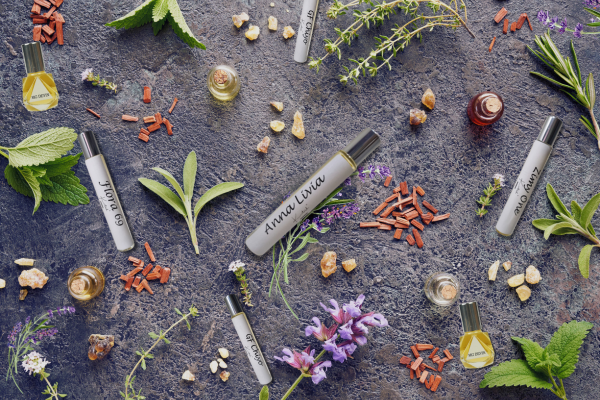
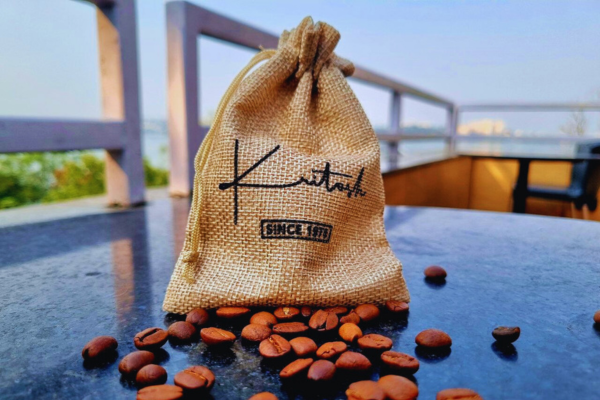
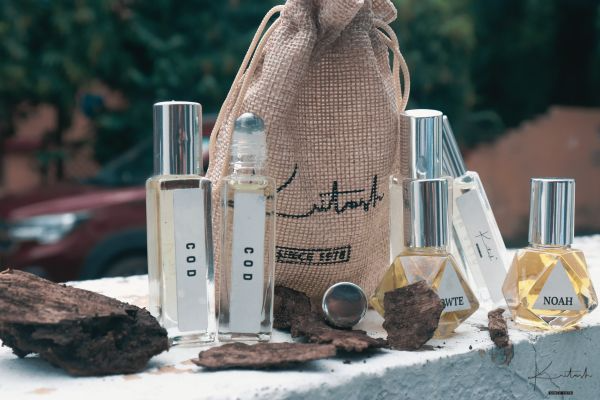
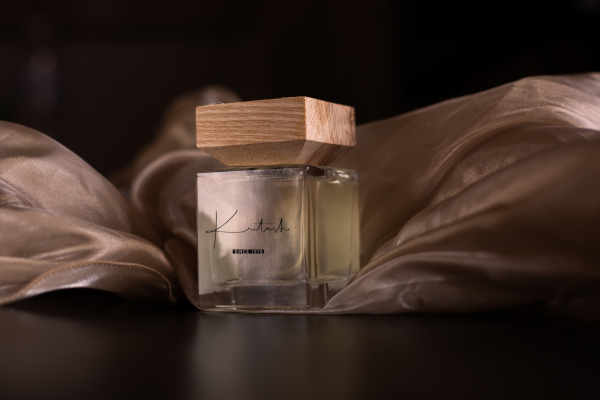
Kritosh Fragrances, which has been making attar in Bhopal since 1978, offers a full range of profiles suited to women across every occasion and season described above. The floral, fruity, and aquatic collections at www.kritosh.com cover the full spectrum from everyday fresh profiles to occasion-worthy rich florals — all in roll-on format, all alcohol-free, all designed for Indian skin in Indian conditions.
The best feminine fragrances in India were never in a spray bottle. They have always been here, in this format, in this city.