Account
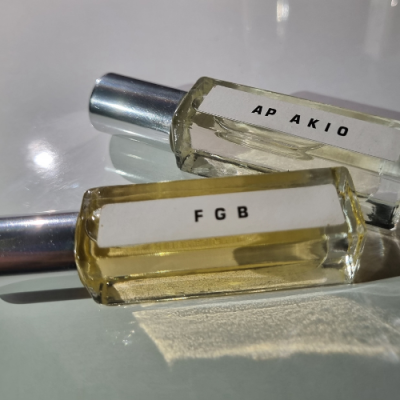
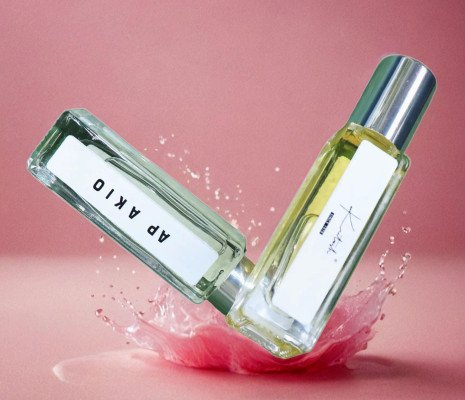
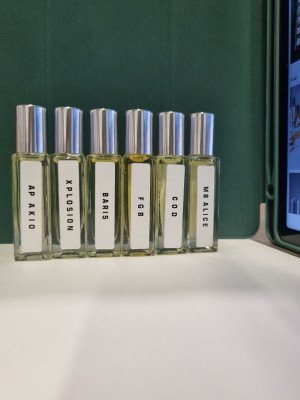
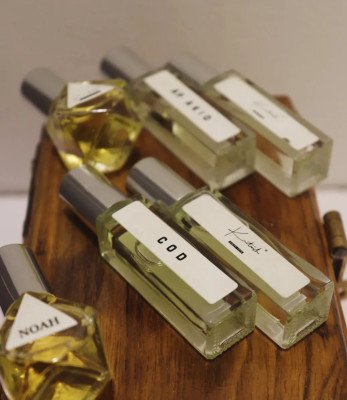
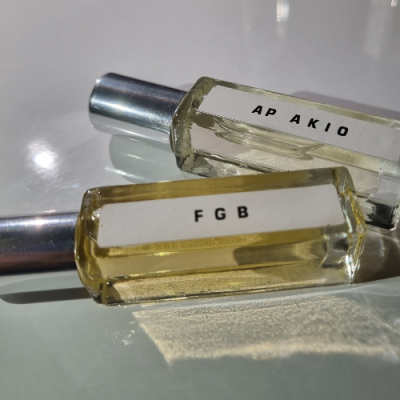
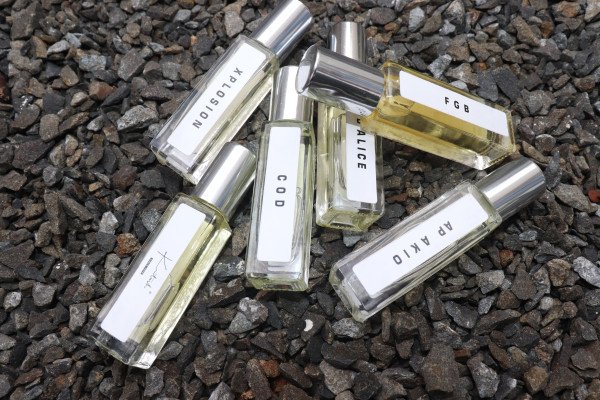
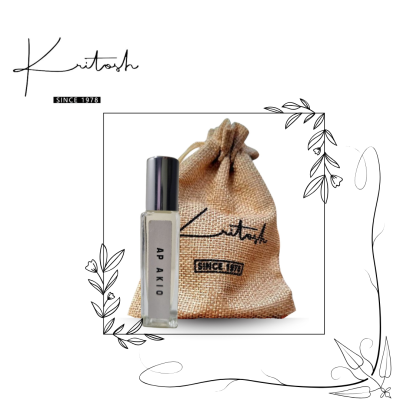
AP AKIO ATTAR
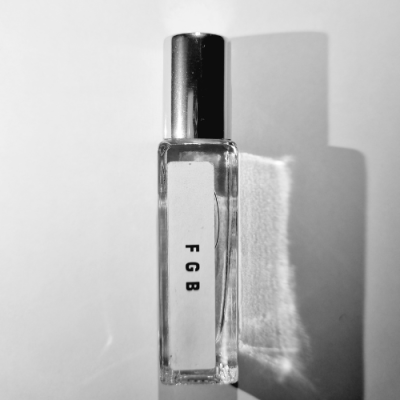
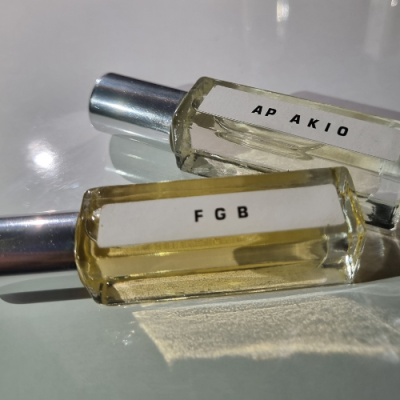
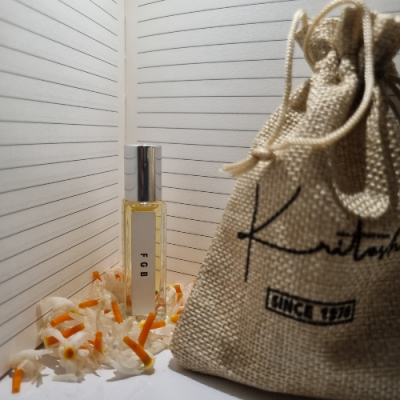
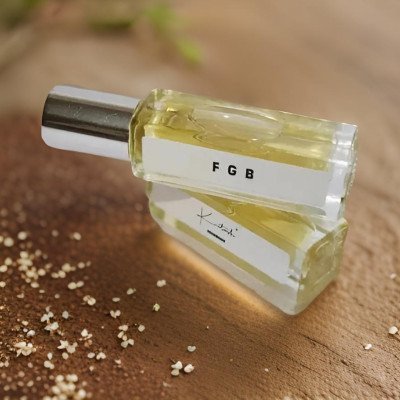
FGB ATTAR
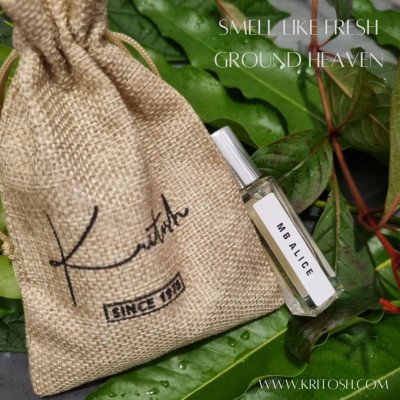
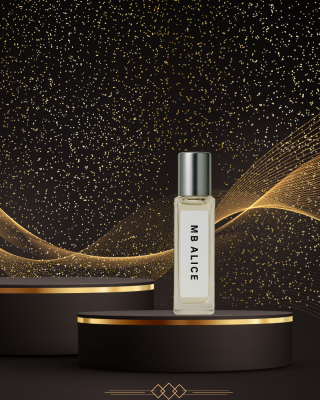
MB ALICE ATTAR
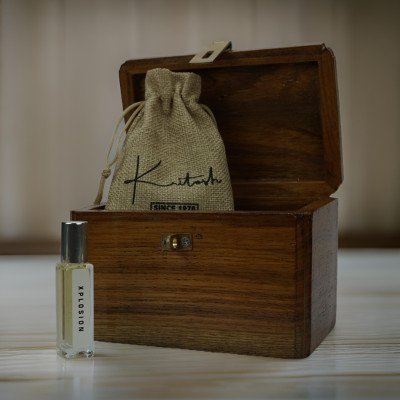
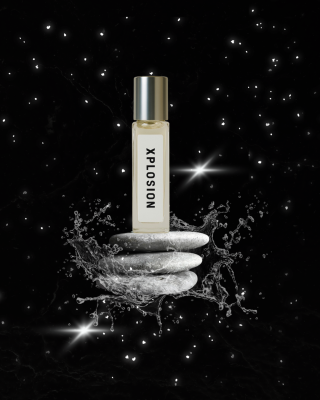
XPLOSION ATTAR
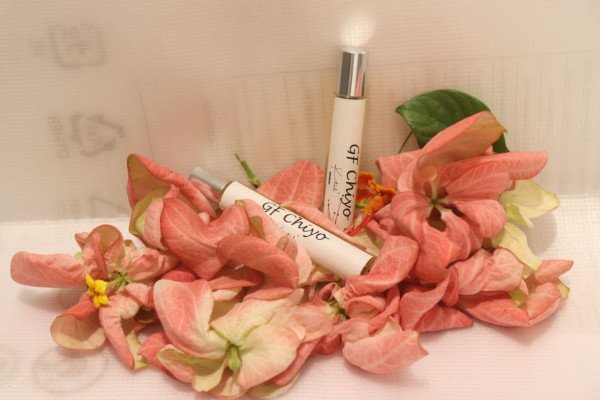
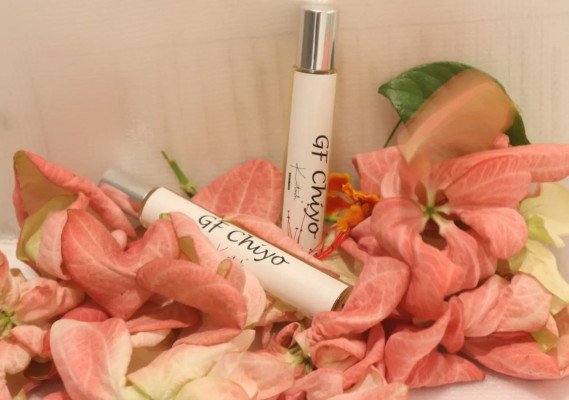
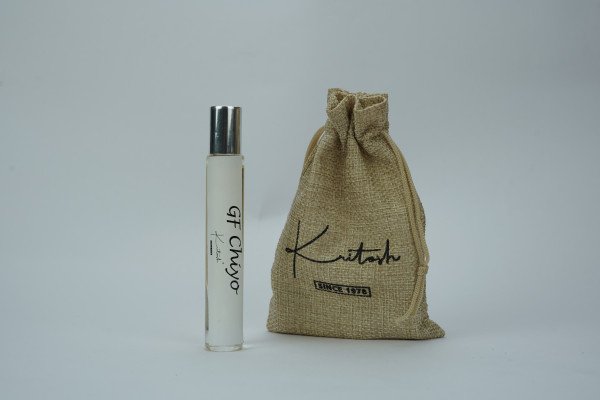
GF CHIYO ATTAR
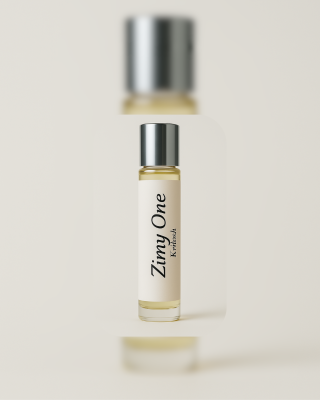
ZIMY ONE ATTAR
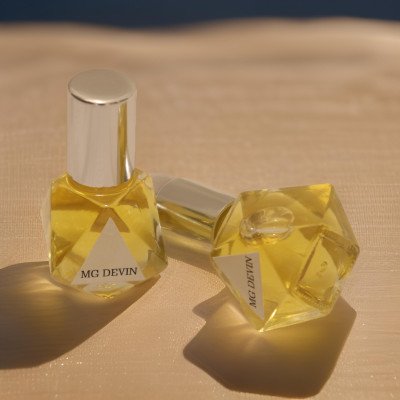
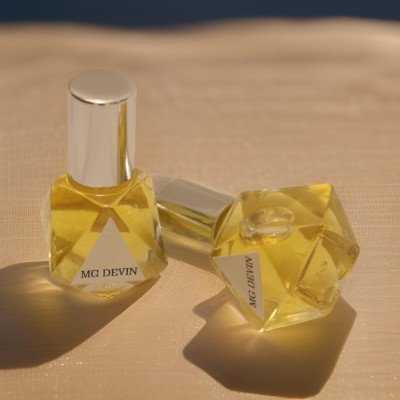
MG DEVIN ATTAR
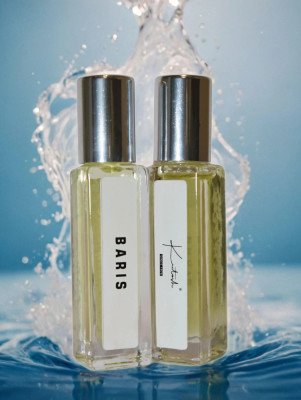
BARIS ATTAR
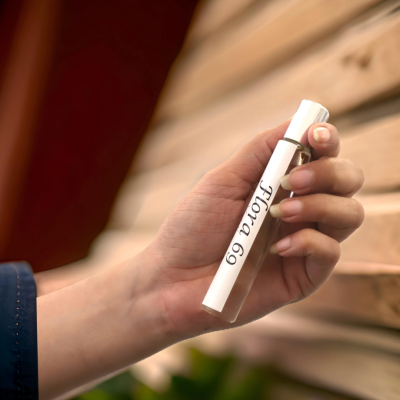
FLORA 69 ATTAR
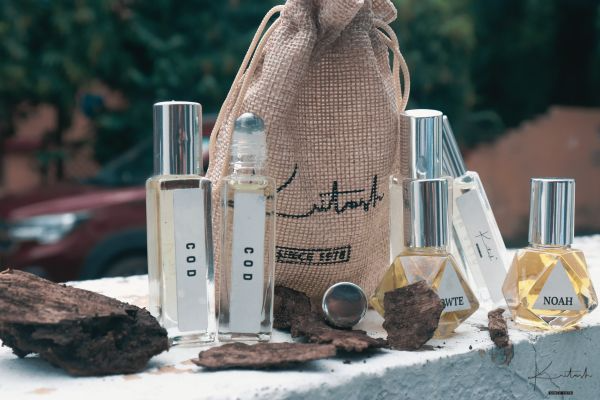
COD ATTAR
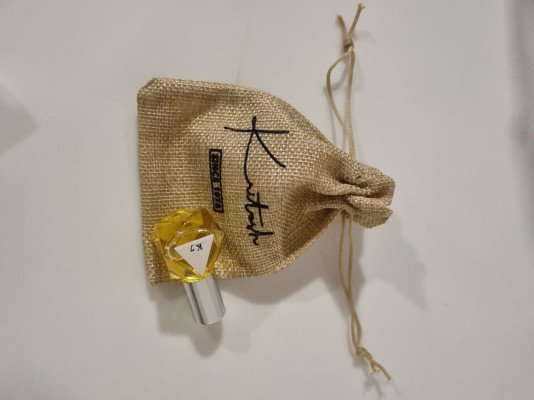
K7 ATTAR
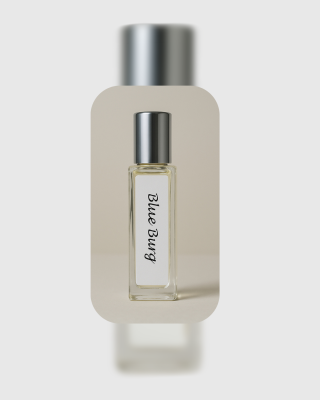
BLUE BURG ATTAR
KIN WEAR ATTAR
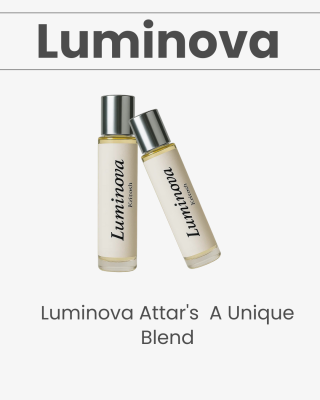
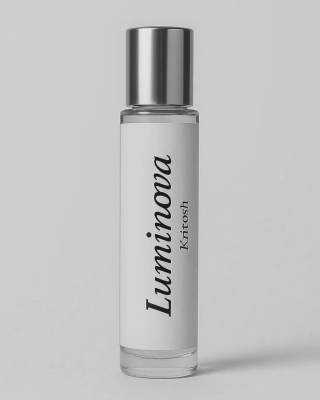
LUMINOVA ATTAR
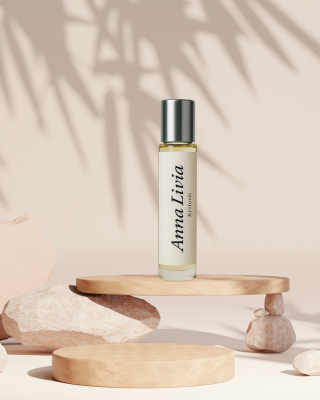
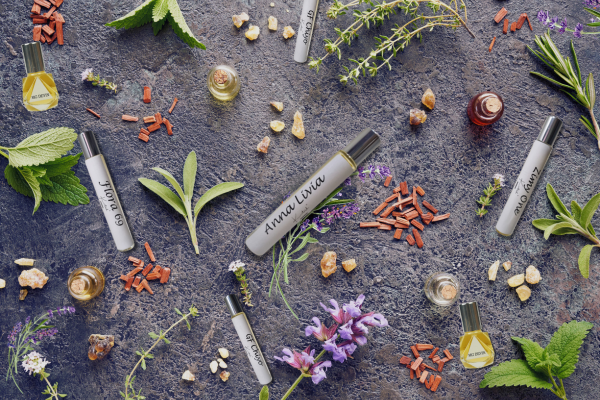
ANNA LIVIA ATTAR
RAVIA J7 ATTAR
OWTE ATTAR
NOAH ATTAR
SCENTIX ATTAR
RUFES
INK ATTAR
0
total price
₹0.00
Home
Shop
About
Contact
Search
FLORA69
ZIMY ONE
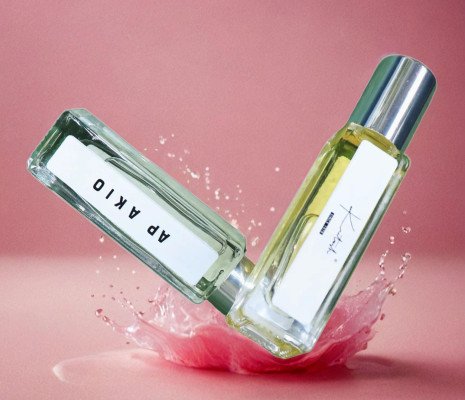
AP AKIO ATTAR
FGB ATTAR
MB ALICE ATTAR
XPLOSION ATTAR
K7
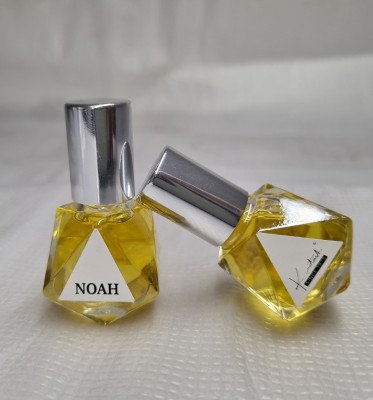
NOAH ATTAR
TESTING PRODUCT
MB ALICE
COD
AP AKIO
XPLOSION
NOAH
MG DEVIN
TEST PRODUCT
FLORA69
FLORA 69
S ATTAR
GF CHIYO ATTAR
S ATTAR
ZIMY ONE ATTAR
MG DEVIN ATTAR
S ATTAR
BARIS ATTAR
AP AKIO
XPLOSION
XPLOSION
MG DEVIN
ZIMY ONE
FLORA 69 ATTAR
COD ATTAR
FGB
MB ALICE
K7
NOAH
TESTING
K7 ATTAR
BLUE BURG
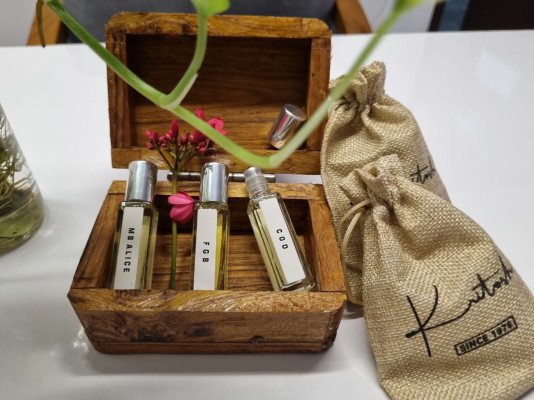
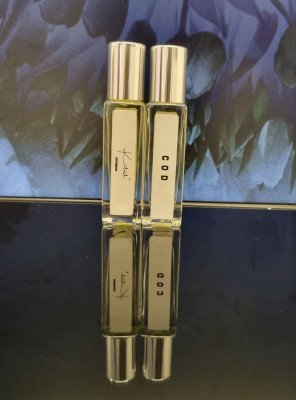
COMBO, PACK OF COD, FGB AND MB ALICE (8ML EACH)
TESTING PRODUCT
DEMO
BLUE BURG ATTAR
S WOODY ATTAR
PRODUCT TEST UPLOAD
KIN WEAR ATTAR
LUMINOVA ATTAR
ANNA LIVIA ATTAR
RAVIA J7 ATTAR
SCENTIX
SCENTIX ATTAR
DEMO
TESTING
TESTQ
OWTE ATTAR
DEMO
ANNA LIVIA
GF CHIYO, FGB, OWTE ATTAR
ZIMY ONE, BARIS, MG DEVIN
OWTE
S ATTAR TEST
S ATTAR
NOAH ATTAR
SCENTIX ATTAR
RUFES
INK ATTAR
0
₹0.00
Login
Home
All Products
cartlist
0+
Account
01-Jan-1970
Share
Back to home
Recent Posts
The Natural Ingredients Behind Kritosh Fragrances: A Journey Into the Soul of Luxury Attar
19-May-2026
A Signature Fragrance Can Define Your Personality
18-May-2026
How Traditional Attar Making Still Inspires Modern Perfumes
18-May-2026
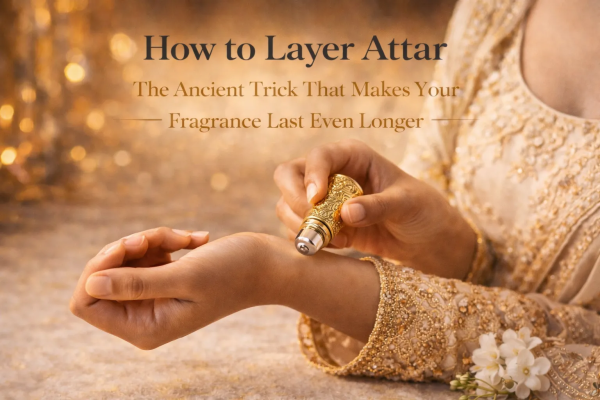
How to Layer Attar: The Ancient Trick That Makes Your Fragrance Last Even Longer.
11-Apr-2026
Attar for Women: Why the Best Feminine Fragrances in India Were Never in a Spray Bottle.
11-Apr-2026
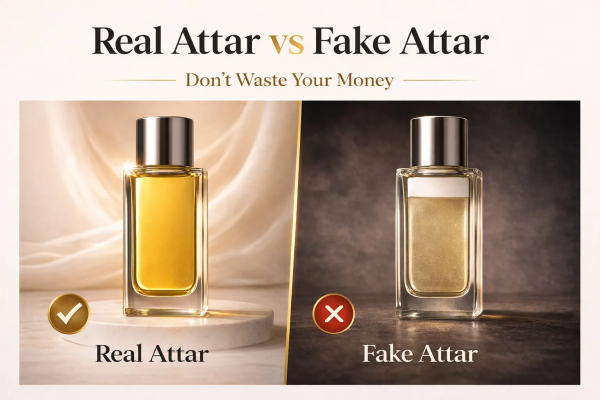
Real Attar vs Fake Attar: How to Tell the Difference Before You Waste Your Money
11-Apr-2026
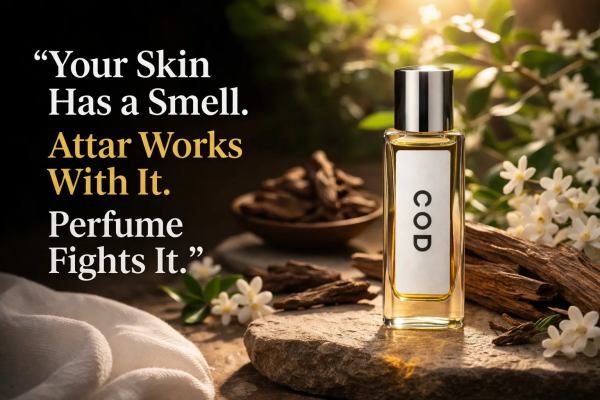
"Your Skin Has a Smell. Attar Works With It. Perfume Fights It."
09-Apr-2026
How to Apply Attar Correctly: 7 Mistakes That Are Killing Your Fragrance
09-Apr-2026
Best Attar for Men in India: A No-Nonsense Guide by Fragrance Family
09-Apr-2026
"Best Attar in Bhopal: A Honest Guide for Anyone Tired of Overpriced Perfumes"
08-Apr-2026
"The Fragrance Your Dadi Wore: Why Attar Is Coming Back to Indian Homes"
06-Apr-2026
"Best Attar for Bhopal Summer: What Survives the Heat and What Does Not"
06-Apr-2026
Why Your Perfume Fades in 2 Hours But Attar Stays All Day- The Science Nobody Told You.
04-Apr-2026
"Attar vs Perfume: Why Bhopal Has Always Known the Difference".
04-Apr-2026
Notes of Scents: Understanding the Art Behind Timeless Attars
14-Jan-2026
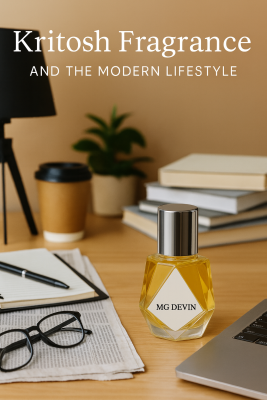
Feel the Luxury: Kritosh Fragrance and the Modern Lifestyle
05-Dec-2025
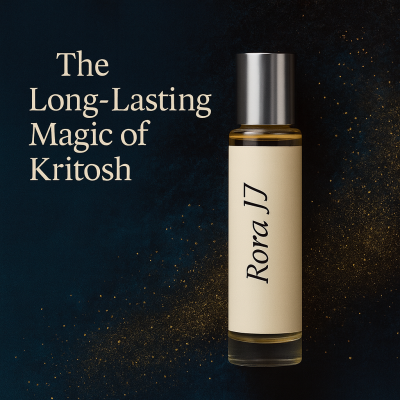
Fragrance That Stays With You – The Long-Lasting Magic of Kritosh
05-Dec-2025
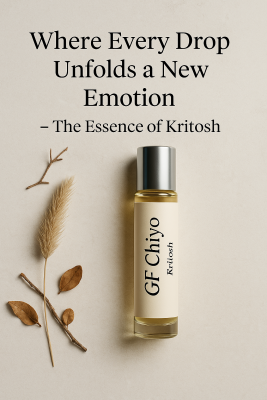
Where Every Drop Unfolds a New Emotion – The Essence of Kritosh
05-Dec-2025
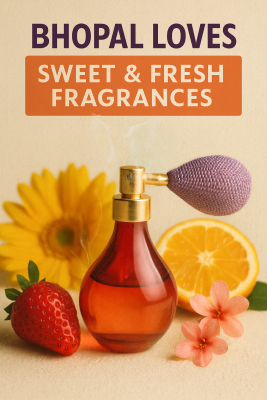
Why Bhopal Loves Sweet & Fresh Fragrances: A Psychological Insight
04-Dec-2025
Kritosh: Capturing Bhopal's Essence in Every Aroma
04-Dec-2025
Scents of Bhopal: How the City’s Lakes, Culture & Climate Inspire Fragrance Choices
04-Dec-2025
Where Every Scent Tells a Story – The World of Kritosh
04-Dec-2025
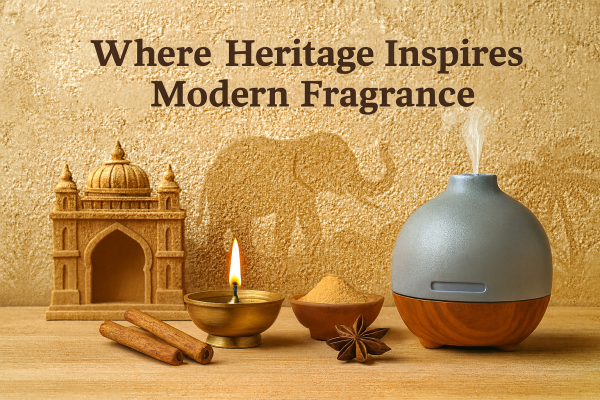
Where Heritage Inspires Modern Fragrance
04-Dec-2025
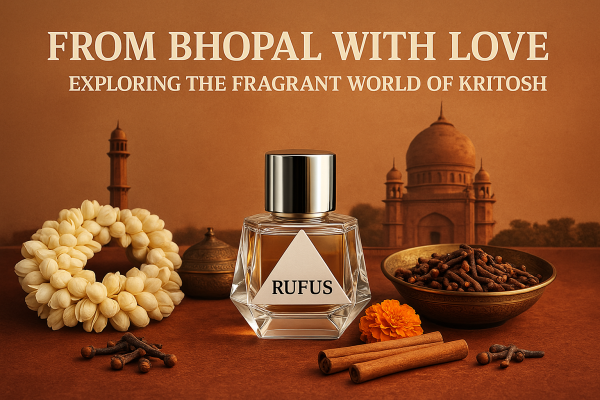
From Bhopal With Love: Exploring the Fragrant World of Kritosh
03-Dec-2025
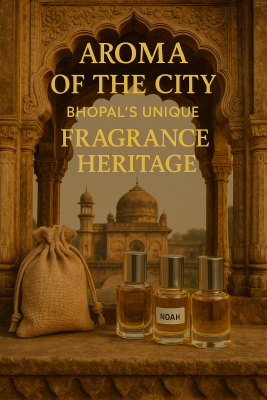
Aroma of the City: Bhopal’s Unique Fragrance Heritage
02-Dec-2025
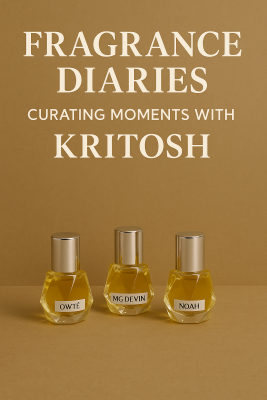
Fragrance Diaries: Curating Moments with Kritosh
02-Dec-2025
Scented Stories: Inside the World of Kritosh Fragrances
02-Dec-2025
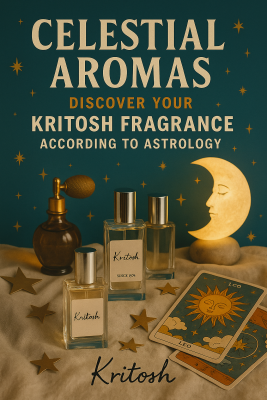
Celestial Aromas: Discover Your Kritosh Fragrance According to Astrology
02-Dec-2025
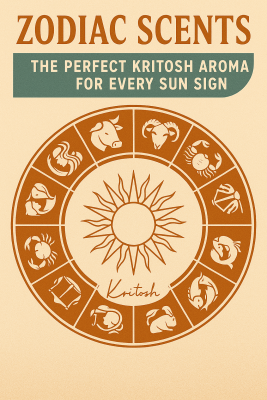
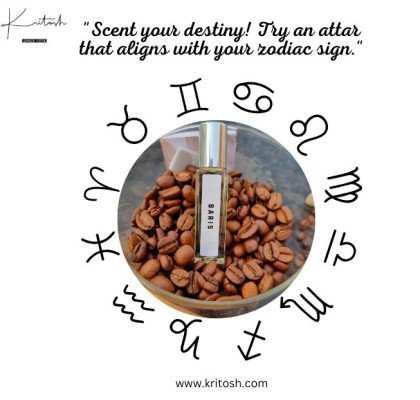
Zodiac Scents: The Perfect Kritosh Aroma for Every Sun Sign
02-Dec-2025
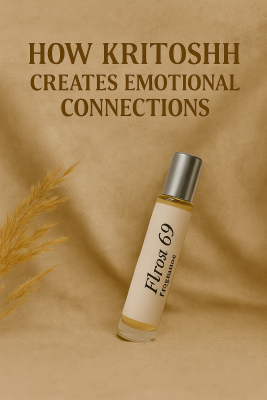
The Fragrance of Memories: How Kritosh Creates Emotional Connections
02-Dec-2025
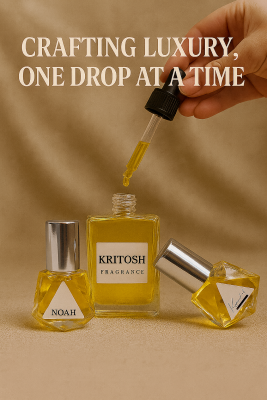
Crafting Luxury, One Drop at a Time
02-Dec-2025
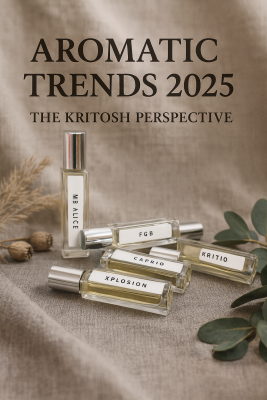
Aromatic Trends 2025: The Kritosh Perspective
02-Dec-2025
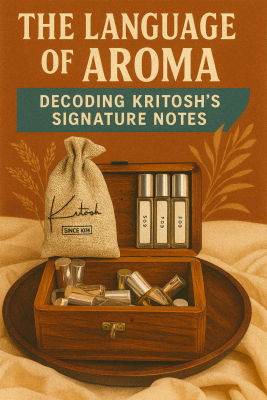
The Language of Aroma: Decoding Kritosh's Signature Notes
02-Dec-2025
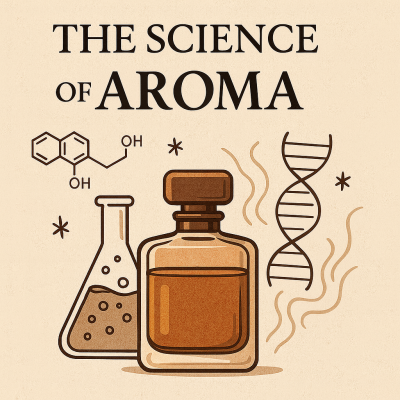
The Science of Aroma: Why Kritosh Fragrances Stand Apart
02-Dec-2025
Kritosh: A Fragrance Legacy Since 1978
01-Dec-2025
Unlocking Scents: A Guide to Top, Middle, and Base Aromas with Kritosh
01-Dec-2025
The Enchanting Comeback of Attar: A Fusion of Tradition and Innovation Attar
01-Dec-2025
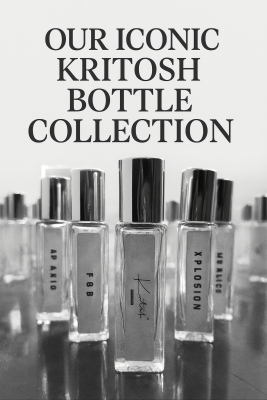
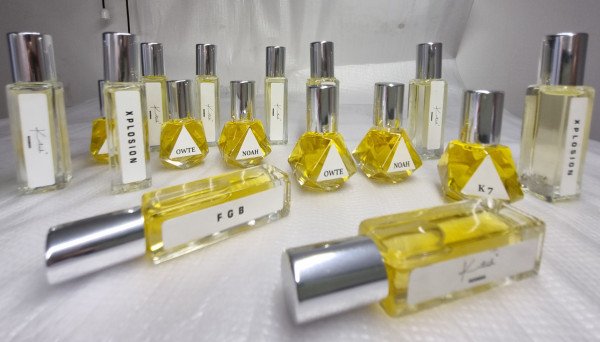
How We Designed Our Iconic Kritosh Bottle Collection
01-Dec-2025
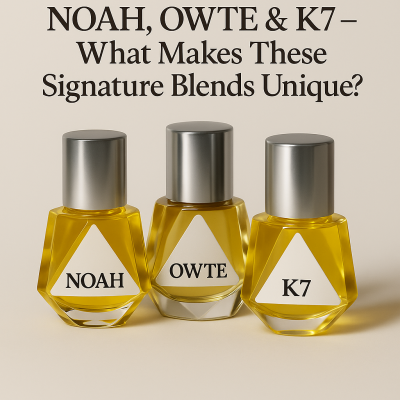
NOAH, OWTE & K7 – What Makes These Signature Blends Unique?
01-Dec-2025
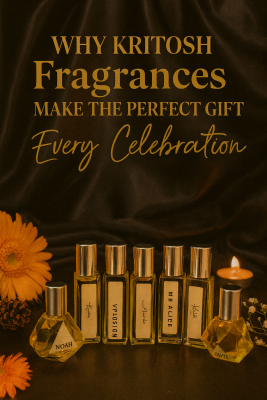
Why Kritosh Fragrances Make the Perfect Gift for Every Celebration
01-Dec-2025
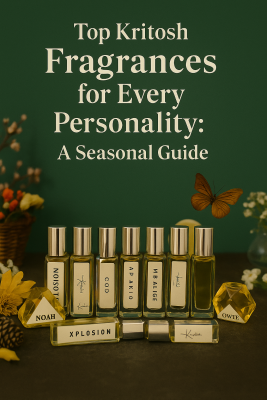
Top Kritosh Fragrances for Every Personality: A Seasonal Guide
01-Dec-2025
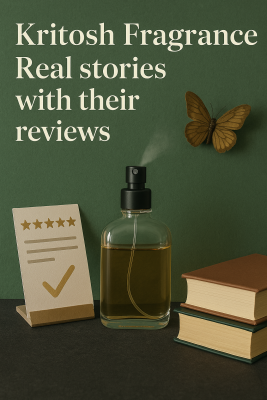
Kritosh Fragrances: Real Stories of Timeless Aroma and Elegance
01-Dec-2025
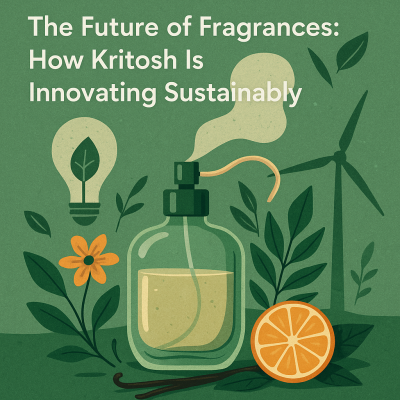
The Future of Fragrances: How Kritosh Is Innovating Sustainably
01-Dec-2025
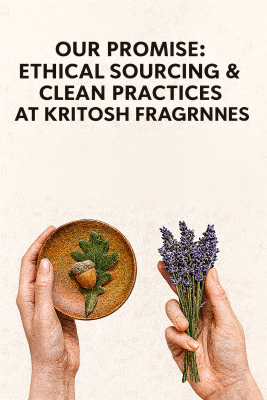
Our Promise: Ethical Sourcing & Clean Practices at Kritosh Fragrances
01-Dec-2025
Kritosh: Where Heritage Inspires Modern Aromas
26-Nov-2025
Tradition Meets Today: The Kritosh Approach to Timeless Scents
26-Nov-2025
Blending the Old and New: A Look at Kritosh's Fragrance Philosophy
26-Nov-2025
A Dive into the World of Kritosh Attars
26-Nov-2025
The Soul of Kritosh: Discovering the Natural Ingredients
25-Nov-2025
Kritosh: Crafted in Silence, Felt in Moments
25-Nov-2025
Kritosh Fragrance: A Journey Through Scented Memories
25-Nov-2025
Kritosh: Blending Timeless Craft with Contemporary Charm
25-Nov-2025
The Silent Introduction That Lingers in the Air: Kritosh Fragrances
24-Nov-2025
Crafting the Classics: How Kritosh Blends Tradition with Modern Fragrance
24-Nov-2025
From Ancient Roots to Modern Luxury: The Kritosh Essence Story
24-Nov-2025
Unveiling the Essence of Tradition: A Dive into the World of Kritosh Attars
24-Nov-2025
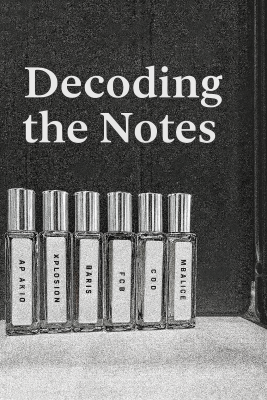
Decoding the Notes: A Kritosh Guide to Identifying Your Favorite Scents
24-Nov-2025
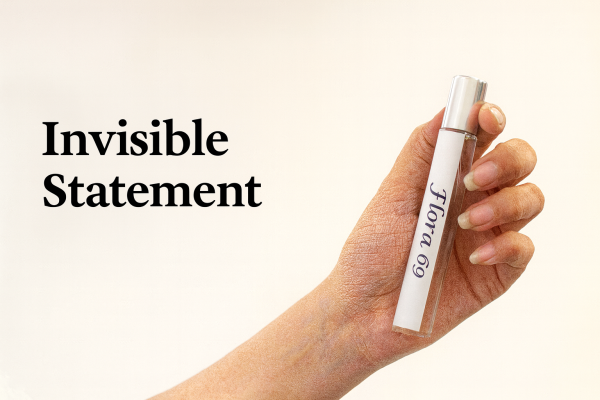
Invisible Statement: The Power of Kritosh Fragrance
24-Nov-2025
Kritosh: Crafting Scents, Sculpting Stories
24-Nov-2025
Kritosh Fragrance: Redefining Personal Scent Style
24-Nov-2025
Beyond the Ordinary: How Luminova Attar Transforms Your Fragrance Game
22-Nov-2025
The Unique Offering That Sets It Apart in the World of Attar
22-Nov-2025
Kritosh Fragrance: Your Guide to Smelling Iconic
22-Nov-2025
The Rise of Kritosh: The Fragrance Brand Everyone’s Talking About
22-Nov-2025
Why Kritosh Fragrance Is the New Language of Luxury
22-Nov-2025
The Art of Aroma: Exploring the World of Kritosh
22-Nov-2025
Scent Journeys with Kritosh: A Sensory Exploration
22-Nov-2025
Wear Your Fragrance: How Kritosh Aromatic Oils Shape Your Day
11-Nov-2025
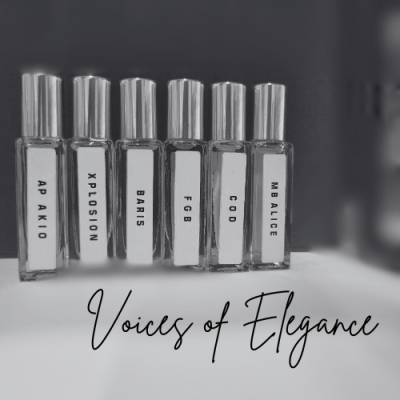
Voices of Elegance: Real Stories from Kritosh Fragrance Lovers
11-Nov-2025
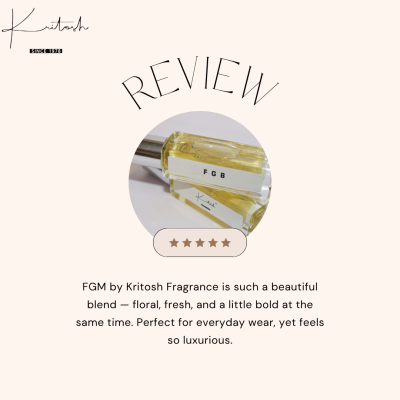
Lasting Power and Performance: Customer Reviews of Kritosh's Best Sellers
11-Nov-2025
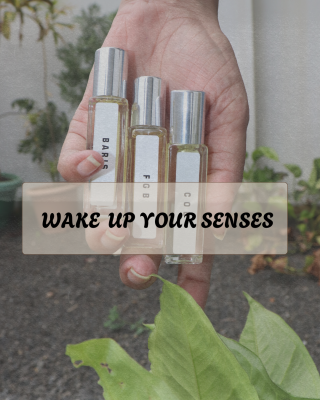
Wake Up Your Senses: Dive into Kritosh Fragrance Collections
11-Nov-2025
Oil-Based Perfection: Why Kritosh Attars Are Changing the Fragrance Game
11-Nov-2025
Kritosh Fragrance: Where Tradition Meets Elegance in Every Drop
11-Nov-2025
The Legacy and Philosophy of Kritosh Fragrance
10-Nov-2025
Astrology and Kritosh Fragrance: A Celestial Symphony of Scent and Spirit
08-Nov-2025
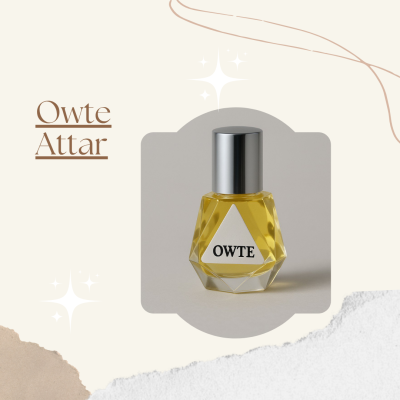
Owte Attar by Kritosh Fragrances: A Tranquil Escape into Nature
08-Nov-2025
K7 Attar by Kritosh Fragrances: A Masterpiece of Elegance and Longevity
08-Nov-2025
Flora 69 Attar by Kritosh Fragrances: A Symphony of Feminine Grace and Timeless Allure
08-Nov-2025
GF Chiyo Attar by Kritosh Fragrances: A Comprehensive Exploration
08-Nov-2025
Celebrating Femininity: The Grace and Strength of Zimy One Attar
08-Nov-2025
How Luminova Attar’s Unique Blend Elevates Your Signature Scent
08-Nov-2025
Discover XPLOSION Attar: The Long-Lasting, Alcohol-Free Scent Everyone’s Talking About
08-Nov-2025
COD Attar by Kritosh Fragrances: An Exploration of Strength and Sophistication
08-Nov-2025
MB Alice Attar by Kritosh Fragrances: A Unique Scent Experience
08-Nov-2025
FGB Attar by Kritosh Fragrances: A Detailed Exploration
08-Nov-2025
Mystic Notes and Timeless Elegance: A Kritosh Love Story
07-Nov-2025
Scent Meets Skin: Decoding Expert Tips for Signature Scents by Kritosh Fragrance
07-Nov-2025
Exploring Kritosh’s Signature Scents: A Journey Beyond Fragrance
07-Nov-2025
The Art of Lasting Fragrance: Kritosh’s Signature Scents
07-Nov-2025
Scent Journeys with Kritosh: More Than Just Fragrance
07-Nov-2025
Timeless Scents for the Modern Soul: Kritosh Collection Overview
07-Nov-2025
Sculpting Scent Stories: How Kritosh Inspires
07-Nov-2025
Aura of the Divine: Unlocking Kritosh’s Fragrance Secrets
07-Nov-2025
Daily Glamour: Incorporating Kritosh into Your Routine
07-Nov-2025
Fragrance as Expression: How Kritosh Inspires Confidence and Grace
07-Nov-2025
Why Kritosh Attars Are the Ultimate Non-Alcoholic Fragrance Choice
07-Nov-2025
Kritosh Fragrances and the Rise of Sustainable Fragrance in 2025
06-Nov-2025
Seasonal Staples: Best Kritosh Fragrances to Match This Winter Season
06-Nov-2025
Upcoming Kritosh Releases for 2026:by Kritosh Fragrance
06-Nov-2025
Blue Burg Attar by Kritosh Fragrance: A Timeless Expression of Elegance
06-Nov-2025
Beyond Scent: The Emotional Power of Kritosh Fragrance
06-Nov-2025
The Heartbeat of Fragrance: Stories from Kritosh Scents
05-Nov-2025
Fragrance Reimagined: The Kritosh Experience
05-Nov-2025
Unlock the Secret of Long-Lasting Aroma with Kritosh Attars
05-Nov-2025
The Science and Soul Behind Kritosh’s Natural Attar
05-Nov-2025
The Art of Making Fragrances by Kritosh Fragrances: Tradition Meets Timeless Craftsmanship
05-Nov-2025
Elegant Packaging Reflecting Modern Sophistication: The Story of Kritosh Fragrances
05-Nov-2025
The Art and Craft of Fragrance Making at Kritosh: A Journey Through Time-Honored Techniques
05-Nov-2025
Commitment to Quality, Heritage, and the Art of Fragrance: The Kritosh Fragrances Legacy
05-Nov-2025
"Timeless Elegance, Bottled" Is More Than a Tagline: The Story Behind Kritosh Fragrances
05-Nov-2025
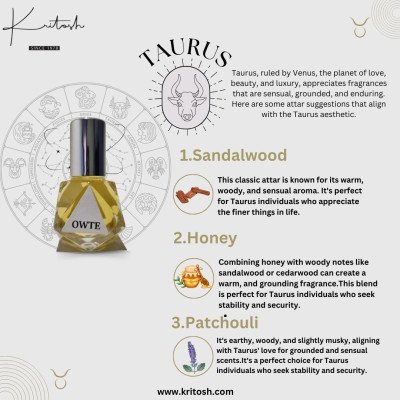
Taurus Zodiac Sign & Kritosh Fragrances: A Unique Blend of Earthly Sensuality and Timeless Elegance
05-Nov-2025
The Legacy of Kritosh: Crafting Signature Scents Since 1978
05-Nov-2025
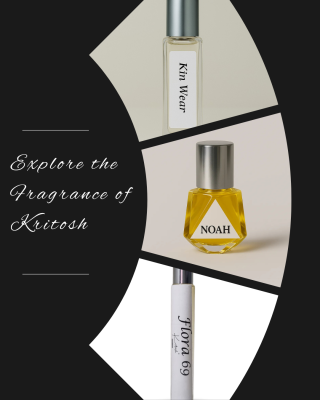
Explore the Fragrance of Kritosh — Pure, Elegant, and Timeless
05-Nov-2025
Discover the Essence of Elegance: A Deep Dive into the Kritosh Fragrance Collection
05-Nov-2025
Discover the New Collection of Kritosh Fragrances
05-Nov-2025
AP Akio by Kritosh Fragrances — A Captivating Blend of Tradition and Modernity
04-Nov-2025
Kritosh Fragrance — More Than A Fragrance: A Living Legacy
04-Nov-2025
Kritosh Fragrance: A Heritage Steeped in History
04-Nov-2025
Kritosh Fragrance: The Timeless Appeal of Attars
04-Nov-2025
The Smooth Roll-On Revolution: Kritosh Perfumes Unveiled
04-Nov-2025
Embrace the Essence: Kritosh Inspirations
04-Nov-2025
Kritosh Fragrances: The Unique Offering That Sets It Apart in the World of Attar
04-Nov-2025
Kritosh Fragrances: Timeless Scents with Modern Appeal
04-Nov-2025
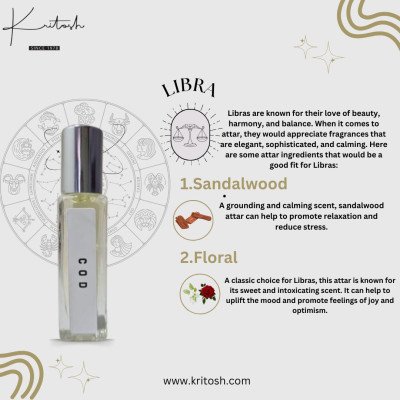
Libra Zodiac Sign and Kritosh Fragrance: A Cosmic Blend of Harmony and Elegance
04-Nov-2025
Kritosh Fragrances: Tradition Meets Innovation in a Changing World
04-Nov-2025
Kritosh Fragrances: Crafting Unique, Timeless Scents in the Ever-Growing World of Fragrances
04-Nov-2025
Kritosh Fragrances — Timeless Elegance in Every Drop
04-Nov-2025
Bold Citrus, Rich Woods, and Timeless Attars: Kritosh’s Fragrance Palette
03-Nov-2025
From Bhopal’s Heritage to Your Skin: The Magic of Kritosh Fragrances
03-Nov-2025
Xplosion, COD, and More: Exploring the Signature Scents of Kritosh Fragrances
03-Nov-2025
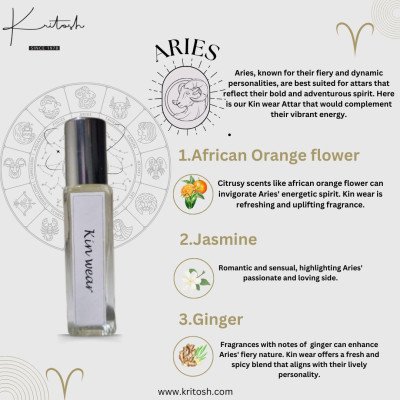
Kritosh Fragrance & The Aries Zodiac Sign: Ignite Your Inner Fire with the Perfect Attar
03-Nov-2025
Kritosh Attars Are an Intimate Art — A Sensory Journey
03-Nov-2025
Discover Your Perfect Kritosh Attar: Choosing Fragrances According to Your Zodiac Sign
03-Nov-2025
More Than a Fragrance: The Intimate Art of Kritosh Attars
03-Nov-2025
Kritosh Fragrances: A Timeless Blend of Tradition, Purity, and Modern Elegance
03-Nov-2025
Experience the Art of Fragrance with Kritosh’s Long-Lasting Attars
03-Nov-2025
Kritosh Attars: The Perfect Fusion of Heritage Craftsmanship and Contemporary Style
01-Nov-2025
Why Choose Kritosh Fragrance? A Journey to Pure, Long-Lasting Attar Experience
01-Nov-2025
Kritosh Fragrance: Timeless Elegance & Unique Attar Scents from Bhopal's Finest Brand
01-Nov-2025
Kritosh Fragrances: Crafting Long-Lasting, Non-Alcoholic Attar
31-Oct-2025
Kritosh Fragrances: The Blend of Tradition, Purity, and Innovation
31-Oct-2025
Kritosh Fragrances: Tradition, Elegance, and Timeless Scents to Elevate Your Aura
31-Oct-2025
Kritosh Fragrances: Crafting Lasting Memories Through Scents
30-Oct-2025
Kritosh Fragrances: Timeless Floral-Woody Attars with Lasting Power and Elegance
30-Oct-2025
Anna Livia Attar by Kritosh Fragrances: A Timeless Floral-Woody Masterpiece
15-Oct-2025
XPLOSION Attar by Kritosh Fragrances: The Ultimate Blend of Bold Citrus and Rich Woods
15-Oct-2025
Blue Burg Attar by Kritosh Fragrances: A Timeless Expression of Elegance
15-Oct-2025
MB Alice Attar by Kritosh Fragrances: A Deep Dive into a Unique Scent Experience
15-Oct-2025
Zimy One Attar by Kritosh Fragrances: The Essence of Grace and Strength
15-Oct-2025
FGB Attar by Kritosh Fragrances: A Comprehensive Exploration
15-Oct-2025
GF CHIYO Attar by Kritosh Fragrances: A Blooming Symphony of Elegance and Vitality
15-Oct-2025
AP AKIO Attar by Kritosh Fragrances: The Ultimate Guide to a Timeless Marine Essence
15-Oct-2025
Luminova Attar by Kritosh Fragrances: Radiance in Every Drop
26-Sep-2025
Flora 69 Attar – A Symphony of Feminine Grace and Timeless Allure
23-Sep-2025
Fragrance Layering with Attars: How to Create Your Signature Scent
23-Jul-2025
Crafted in Shadows, Worn in Light: The Making of Attar
04-Jul-2025
"Attar of the East: India’s Fragrant Contribution to the World"
30-Jun-2025
“Attar and Mindfulness: How Scent Enhances Meditation”
21-Jun-2025
"Attar as a Path to Mindfulness: Finding Stillness in Scent"
12-Jun-2025
"Beyond the Spritz: Exploring the Psychology of Attar"
03-Jun-2025
Why Attar is making comeback in the World of Fragrance.
19-May-2025
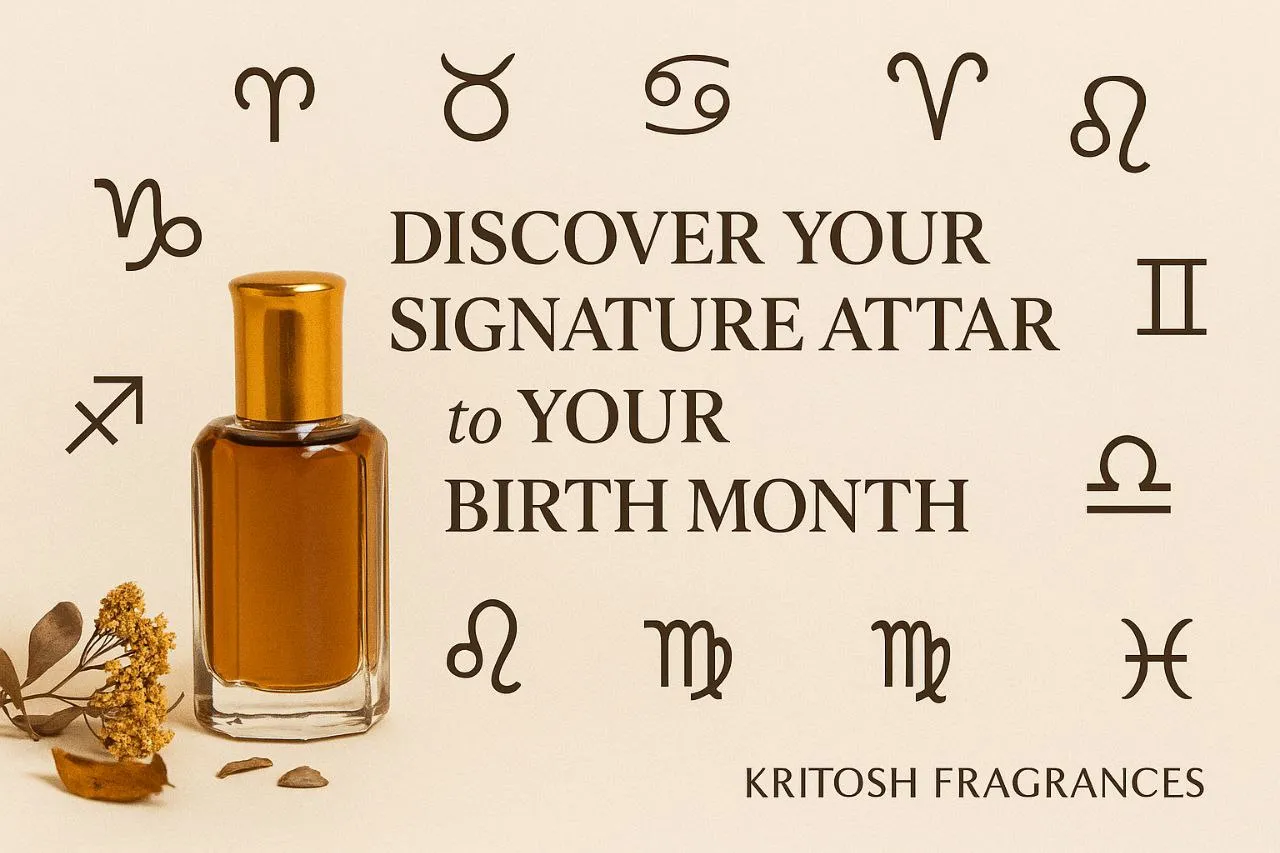
Zodiac Scents: Discover Your Signature Attar According to Your Birth Month
18-Apr-2025
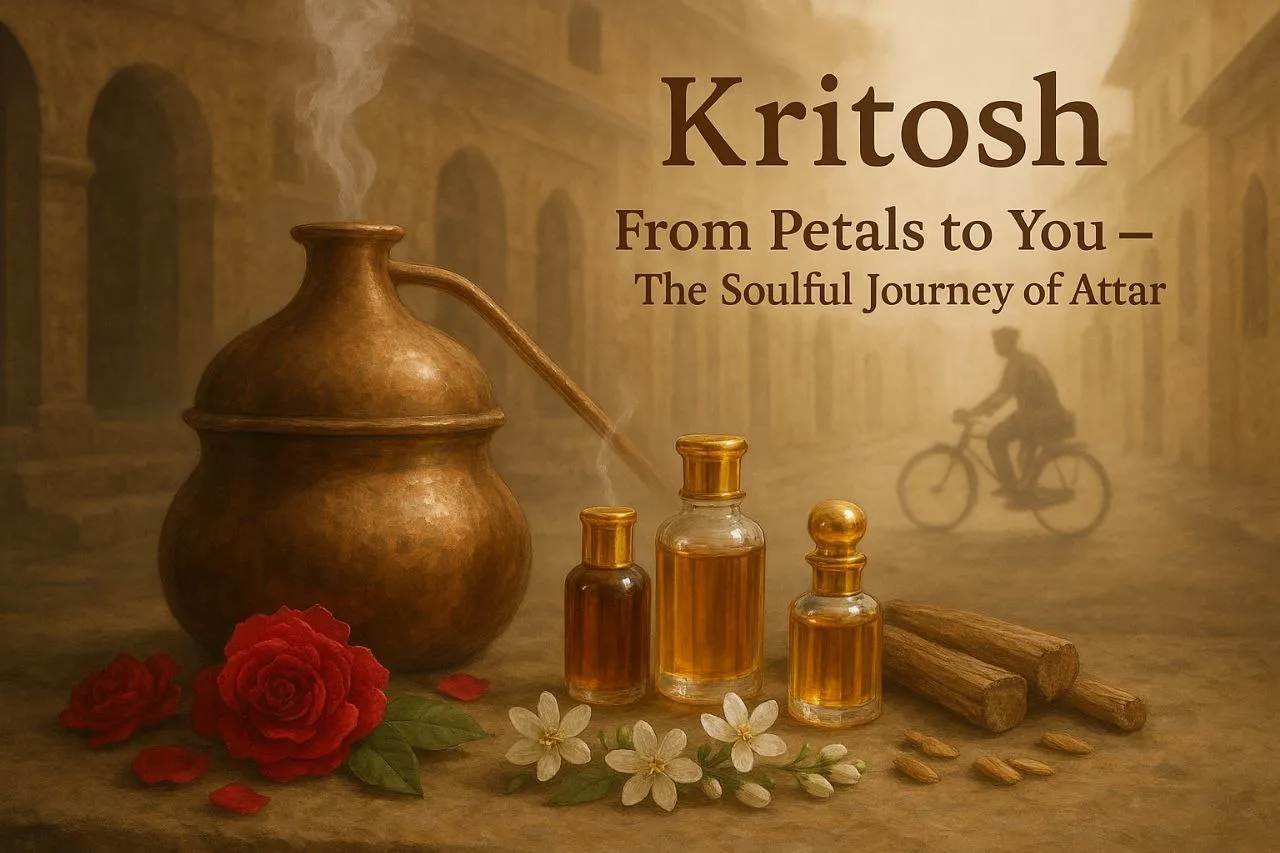
From Petals to Purity – How Attar is Made, The Kritosh Way
11-Apr-2025
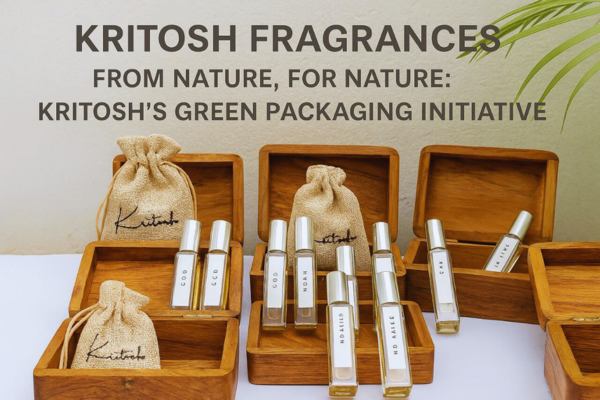
From Nature, For Nature: Kritosh’s Green Packaging Initiative
03-Apr-2025
Kritosh Perfumes: The Best Fragrances for Spring, Summer, Fall & Winter
27-Mar-2025
Perfume Notes Explained: Top, Middle & Base Notes
20-Mar-2025
Perfume & Astrology: Discover the Best Attar for Your Zodiac Sign
13-Mar-2025
Aromatherapy Through attars : Kritosh's guide to Relaxation and energy
06-Mar-2025
Find Your Signature Scent: Match Your Personality with Kritosh Fragrances
28-Feb-2025
How Kritosh Fragrances Stands Out: A Blend of Tradition, Purity, and Innovation
20-Feb-2025
Mood-Boosting Scents: How Kritosh Fragrances Influence Your Emotions
13-Feb-2025
"What are Genderless Scents? Understanding the concept and its significance"
25-Jan-2025
"The Enchanting Comeback of Attar: A Fusion of Tradition and Innovation in Modern Perfumery."
18-Jan-2025
"Scent Your Vibes: The Ultimate Occasion Based Fragrance Guide."
08-Jan-2025
"Ditch the Spray, Embrace the Oil: Why Attar is the Better Choice"
28-Dec-2024
"Your Seasonal Scent Guide: Find the Perfect Fragrance"
21-Dec-2024
"The Amazing Benefits of Using Attar Fragrance"
14-Dec-2024
"Unlocking Balance: The Harmonious Union of Attar and Chakras"
07-Dec-2024
"The Attar Archives: Unveiling the History of a Timeless Scent."
30-Nov-2024
"How to Find Your Signature Scent: A Step-by-Step Guide"
23-Nov-2024
"The Science Behind Fragrance: Unlocking the Secrets of Smell"
16-Nov-2024
"The Art of Blending Attar: A Guide to Creating Harmonious Fragrances"
05-Nov-2024
"Unlocking the Secrets: The Connection Between Astrology and Attar"
04-Nov-2024
"The Scent of Emotions: How Attar Impacts Mental Health"
24-Oct-2024
"Expert Tips for Finding Your Signature Scent"
23-Aug-2024
Item Added Successfully
Mobile
Shipping Details
Payment
Enter Email
Enter Password
New user ? Register Now.
Continue With Google
Contact Details
First Name
Last Name
Email
Contact
Shipping Details
Flat/House
Address
City
State
Madhya Pradesh
Maharashtra
PIN code
Landmark
Do you have a coupon code?
apply
Check coupon
Payment Method
Online Payment
Continue
Order Summary
Subtotal (28% GST included)
Coupon Discount
0
Delivery Charges
Free shipping
To Pay